WHYAMERICASUCKS.COM
INVESTIGATIONSPet Food Safety
menuMenu
PET FOOD SAFETY

Pet Food Safety

This page follows pesticide-residue monitoring, contamination findings, label opacity, and complaint pathways in the pet food industry. It does not pretend we have proved every disease claim. It shows what regulators have already found and where the evidence still stops.

ResiduesRecallsFDA warningsLabel opacityReviewed March 31, 2026
Current Files

Where The Reporting Weight Lives

The useful public question is not whether every bag is poison. It is what the record already shows about residues, contamination, labeling, and regulatory blind spots.

File 01

Most Pet Food Hits The Market Before A Public Fight Begins

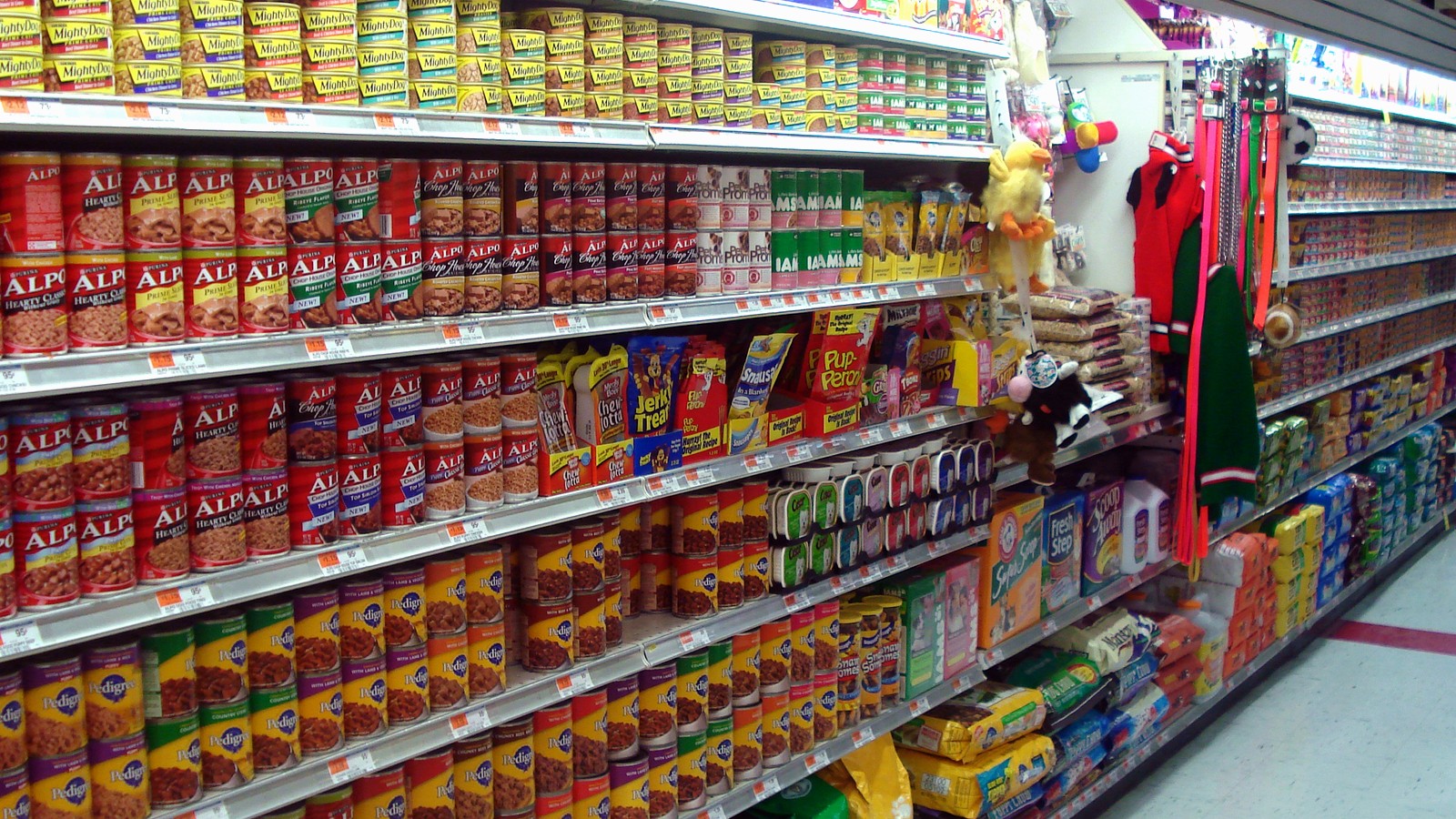
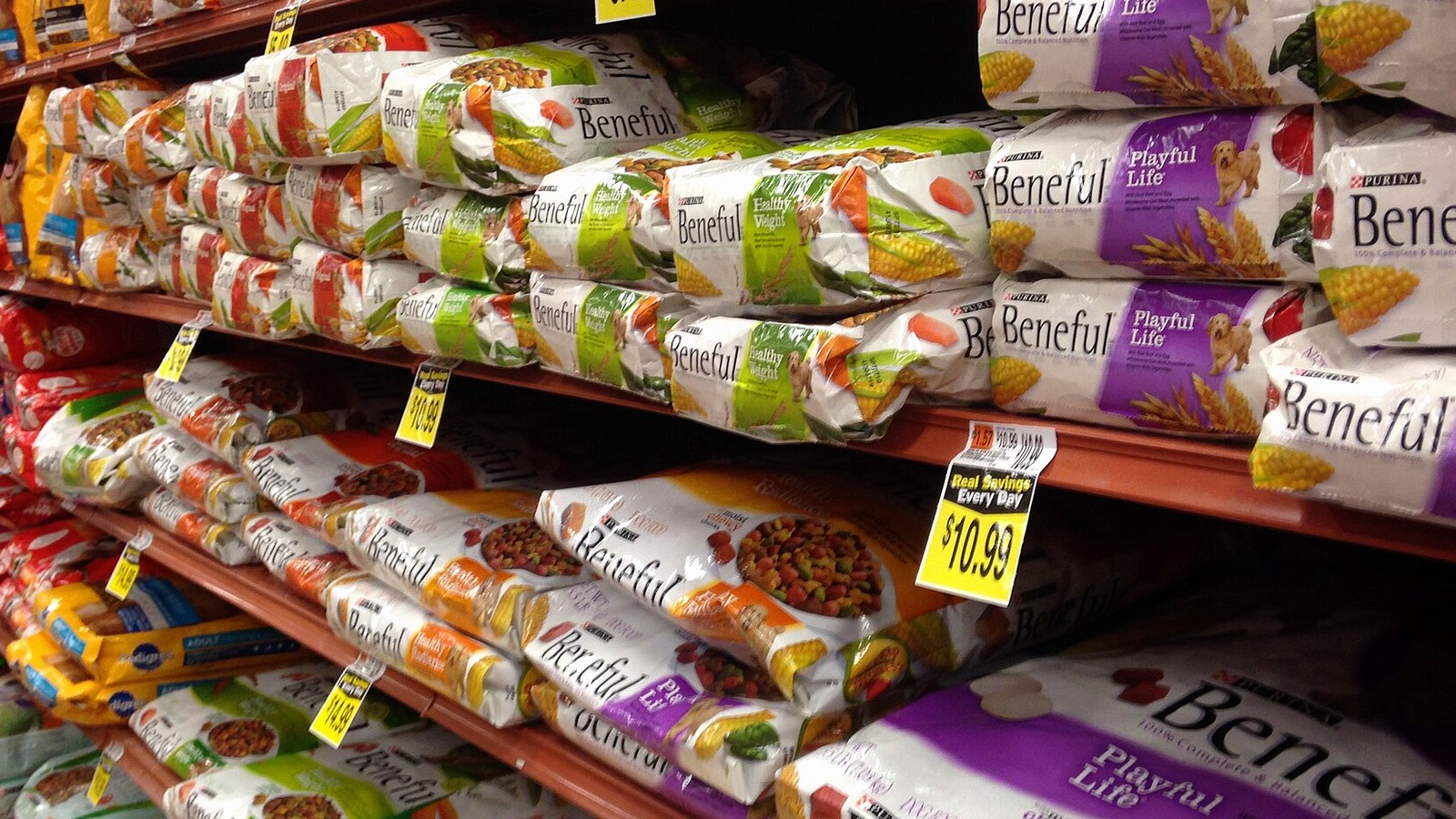
FDA says it generally does not have pre-market authority over pet foods before they are sold, except for food additives. That means a product can be on the shelf long before the public sees a warning letter, recall, or a body of complaint reports.
File 02

Residues Belong In The Story

Pesticide residues are not a fringe idea. FDA's own monitoring program tests animal food for hundreds of pesticide chemicals and selected industrial compounds. The question is not whether the residue layer exists. It does. The question is what regulators find, what stays within tolerance, and what readers are never told about the storage-and-transport system behind the bag.

File 03

Raw Food Has A Documented Pathogen Problem

Raw pet food is a separate risk lane. FDA's 2025 warning letter to Answers Pet Food describes Salmonella and Listeria findings in sampled retail lots and on food-contact surfaces inside the facility. That does not condemn every product on the market, but it does show why contamination cannot be waved off as paranoia.

File 04

The Label Is Not The Whole Truth

Pet-food labels still hide a lot of what consumers think they reveal. AAFCO says ingredients are listed in descending order by weight, but the label does not quantify the absolute amount of each ingredient. The label can tell you sequence. It cannot tell you the full formulation story.

Live Signals

What The Official Record Already Shows

These are the clearest public numbers attached to the page right now.

Animal-food samples in FDA pesticide monitoring

224

FDA's FY 2023 pesticide residue monitoring report says the agency tested 224 animal-food samples for 781 different pesticides and selected industrial compounds.

Domestic animal-food samples compliant with federal residue limits

97.0%

FDA says 97.0 percent of domestic animal-food samples in FY 2023 were compliant with federal pesticide regulations.

Import animal-food samples compliant with federal residue limits

97.6%

FDA says 97.6 percent of import animal-food samples in FY 2023 were compliant with federal pesticide regulations.

Sampled raw pet-food lots in FDA's 2025 warning letter

4 lots

FDA's June 18, 2025 warning letter to Answers Pet Food says four sampled retail lots contained Salmonella, Listeria monocytogenes, or both.

Listeria-positive surfaces found during the inspection

7

FDA says investigators found Listeria monocytogenes on seven surfaces in the facility, including food-contact surfaces, during the 2024 inspection described in the 2025 warning letter.

Raw pet-food samples in FDA's contamination study

196

FDA's study of raw pet food for dogs and cats tested 196 samples and found contamination rates high enough for the agency to warn that raw diets can expose pets and people to pathogens.

RAAW Energy lots in FDA's Feb. 2026 advisory

8 lots

FDA's February 17, 2026 advisory says eight lots of RAAW Energy and related diets carried contamination concerns tied to Salmonella, Listeria monocytogenes, or both.

RAWR cat-food lots tied to H5N1 notice

2 lots

FDA's September 3, 2025 notice says two lots of RAWR Raw Cat Food Chicken Eats tested positive for H5N1 contamination.

Timeline

Recent Public Record Timeline

These dated FDA actions are why this page exists. They show that pet-food safety problems do not stay theoretical for long.

September 23, 2024

FDA warned consumers about certain Answers raw pet food

FDA issued a public advisory after retail samples of certain Answers raw pet-food products tested positive for Salmonella and Listeria monocytogenes.

June 18, 2025

FDA sent a warning letter to Answers Pet Food

The warning letter described four contaminated retail lots and Listeria found on seven surfaces in the production environment, including food-contact surfaces.

September 3, 2025

FDA linked raw cat food lots to H5N1 contamination

FDA said two lots of RAWR Raw Cat Food Chicken Eats tested positive for H5N1 contamination in a notice tied to a fatal cat case.

February 17, 2026

FDA warned consumers about certain RAAW Energy lots

FDA advised consumers not to feed certain lots of RAAW Energy raw pet food after contamination concerns involving Salmonella, Listeria monocytogenes, or both.

How To Read The Bag

Label Reality

Label Note

Ingredient order is by weight, not by disclosed percentage

AAFCO says ingredients must be listed in descending order by weight. That tells you sequence, but not the absolute amount of each ingredient inside the final formula.

Label Note

Treats and snacks do not have to meet complete-and-balanced standards

AAFCO says many treats and snacks are not required to meet normal complete-and-balanced nutrition standards, as long as they are clearly labeled for intermittent or supplementary feeding.

Label Note

The lot code matters more than the marketing copy

FDA's complaint guidance tells owners to keep the original package, lot number, best-by date, and storage details. That information is what investigators use to trace manufacturing and production dates.

If Something Goes Wrong

Complaint Trail

Keep the original package, lot code, best-by date, UPC, and where you bought it.
Write down what your pet ate, how much was left, and when symptoms started.
Save veterinary records, lab results, and the product if it is still available.
File the complaint through FDA's Safety Reporting Portal so it enters the federal record.
Open FDA Complaint Guide
Reporting Queue

What Gets Checked Next

Track FDA warning letters, recalls, and complaint-reporting patterns before naming repeat offenders in the industry.
Compare residue monitoring, contamination findings, and label claims across raw, dry, canned, and fresh product categories.
Follow ingredient sourcing, rendering, and supply-chain language where it intersects with labeling, storage, or contamination questions.
Keep disease claims disciplined by separating what FDA is investigating from what has actually been proved in veterinary evidence.
Publication Rules

What We Will Not Fake

This page does not claim that pesticide residues or weak ingredients explain every cancer or chronic illness in pets. That would require stronger veterinary epidemiology than we have.
Compliance with federal limits is not the same thing as zero exposure, but a detected residue is also not proof of injury by itself. The page keeps those two facts separate.
If the site names a product, facility, or diet-linked illness claim, it links the official warning letter, recall, complaint guidance, or investigation record behind it.
Source Stack

Read The Records

These links are the current public foundation for the page. Any stronger claim about a brand, ingredient pattern, or disease trend should build from them.

Source 01

FDA Pesticide Residue Monitoring Report

Current FDA summary for pesticide-residue monitoring in human and animal food, including the FY 2023 animal-food sample set.

Source 02

FDA Warning Letter To Answers Pet Food

Detailed FDA warning letter describing pathogen findings, sanitation failures, and supply-chain problems in raw pet-food production.

Source 03

FDA Raw Pet Food Safety Page

FDA consumer page summarizing contamination findings from the agency's raw pet-food study and the risks raw diets can pose to pets and people.

Source 04

FDA RAAW Energy Advisory

Current FDA advisory for multiple contaminated lots of raw pet food sold for cats and dogs.

Source 05

FDA RAWR H5N1 Notice

Official FDA notice linking certain raw cat-food lots to H5N1 contamination findings.

Source 06

AAFCO Reading Labels

Current label guidance explaining that ingredients are listed by weight and that the ingredient list does not reveal absolute quantities.

Source 07

FDA How To Report A Pet Food Complaint

Official complaint-reporting guidance showing how FDA handles pet-food illness and product-problem reports and what evidence owners should preserve.

Source 08

FDA Diet And Canine DCM Q&A

Official FDA investigation page showing that diet-linked disease questions can be serious while still remaining unresolved and under review.