Signal 01
Aug. 4, 1982
A Reagan Library memo from Edwin Harper to Alan Greenspan says Greenspan had asked for the Social Security paper they discussed at the Bohemian Grove.
Harper memo to Greenspan
Reagan LibraryCorporate Capture follows how private networks turn into public outcomes through archives, think tanks, donor families, contractors, and public records.
A Reagan Library memo from Edwin Harper to Alan Greenspan says Greenspan had asked for the Social Security paper they discussed at the Bohemian Grove.
SSA says the Social Security Amendments of 1983 gradually raised the full retirement age from 65 to 67 for people born in 1960 or later.
Heritage says Joseph Coors, Ed Noble, and Richard Scaife underwrote the launch of The Heritage Foundation in 1973.
USAspending lists a Department of Energy award to Bechtel National, Inc. with a total award amount of $16.9 billion and a start date of Dec. 15, 2000.
These are not mood boards or conspiracy gestures. They are the clearest public facts on the page right now: an archive memo, a policy outcome, a think tank lineage, and a giant federal award.
A Reagan Library memo from Edwin Harper to Alan Greenspan says Greenspan had asked for the Social Security paper they discussed at the Bohemian Grove.
SSA says the Social Security Amendments of 1983 gradually raised the full retirement age from 65 to 67 for people born in 1960 or later.
Heritage says Joseph Coors, Ed Noble, and Richard Scaife underwrote the launch of The Heritage Foundation in 1973.
Heritage's Edwin Feulner biography says he served as a Heritage trustee from 1973 to 2025.
The official Heritage PDF for Mandate for Leadership 2025 runs 920 pages and says the original book put the conservative movement and Reagan on the same page.
USAspending lists a Department of Energy award to Bechtel National, Inc. with a total award amount of $16.9 billion and a start date of Dec. 15, 2000.
The page is meant to show mechanisms, not vibe. These are the four routes that matter most: archived policy discussion, donor-funded policy shops, contractor payouts, and cross-party elite continuity.
Private gatherings, donor circles, and elite clubs matter when they leave a paper trail that later shows up in public law or public spending.
Think tanks can convert donor preference into respectable policy language. Launch money, trustees, founders, and transition books belong in the same file.
The contractor state is the payoff layer. Once the same families, executives, or allied firms keep showing up around federal projects, cost growth, and infrastructure deals, the story moves from club lore to taxpayer money.
This page is not about one party or one ideology. Wealthy networks often protect themselves across party branding, and that continuity is exactly what public records can reveal.
The Grove record starts with the archived Reagan Library memo saying Alan Greenspan had asked for the Social Security paper discussed at the Bohemian Grove.
Heritage's own materials connect the 1973 launch money, Edwin Feulner's decades-long leadership span, and the current Project 2025 volume. The institutions change shape, but the network continuity is visible.
Federal contracting is where private influence becomes measurable public obligation. USAspending provides a direct test for whether the same firms keep sitting near the center of government buildouts.
These are the next public files this page should keep pulling forward. The rule is simple: name the institution, name the money route, and name the document trail.
The club says the Grove is a refuge from decision-making. The Reagan Library still contains a Social Security memo tied directly to a Bohemian Grove conversation.
A proposed 5 percent net-worth tax, an 870,000-signature ballot threshold, and a $20 million opposition check put California's billionaire-tax fight into campaign-finance territory before voters saw a ballot.
A 20-year withdrawal built through comments, consultations, and formal review is now being challenged so a mining project can get another shot at protected ground.
Archival memo tying a Social Security reform paper directly to a Bohemian Grove discussion.
Official history of the 1983 Social Security law and the gradual move to a full retirement age of 67.
Heritage's own account of Joseph Coors, Ed Noble, and Richard Scaife underwriting its 1973 launch.
Heritage page showing Feulner's decades-long leadership span inside the organization.
The Heritage-led 2025 transition book that explicitly frames its Reagan-era origin as a model for the present.
A direct federal award page showing the size of one long-running Bechtel National contract in the public contracting system.
The wider federal awards database for checking contractors, agencies, dates, and obligation history beyond a single award.
We do not call a private relationship corruption unless the public record ties it to a policy, payment, filing, or office.
One memo, one retreat, or one donor overlap is a lead, not a complete theory. The page looks for repeat names across archives, foundations, contracts, and campaigns.
The goal is to make class power easier to inspect, not to turn elite mystique into clickbait.
Corporate Capture works next to Political Money, War Money, News Suppression, and Green Money. One page shows donor and PAC scale, one shows contractors and military budgets, one follows media ownership and framing, and this one maps the private network layer that often connects them.

The club says the Grove is a refuge from decision-making. The Reagan Library still contains a Social Security memo tied directly to a Bohemian Grove conversation.

The dicamba paper trail, EPA's current chemical-safety leadership chart, and the glyphosate immunity fight all point in the same direction: the chemical industry never really left the room.
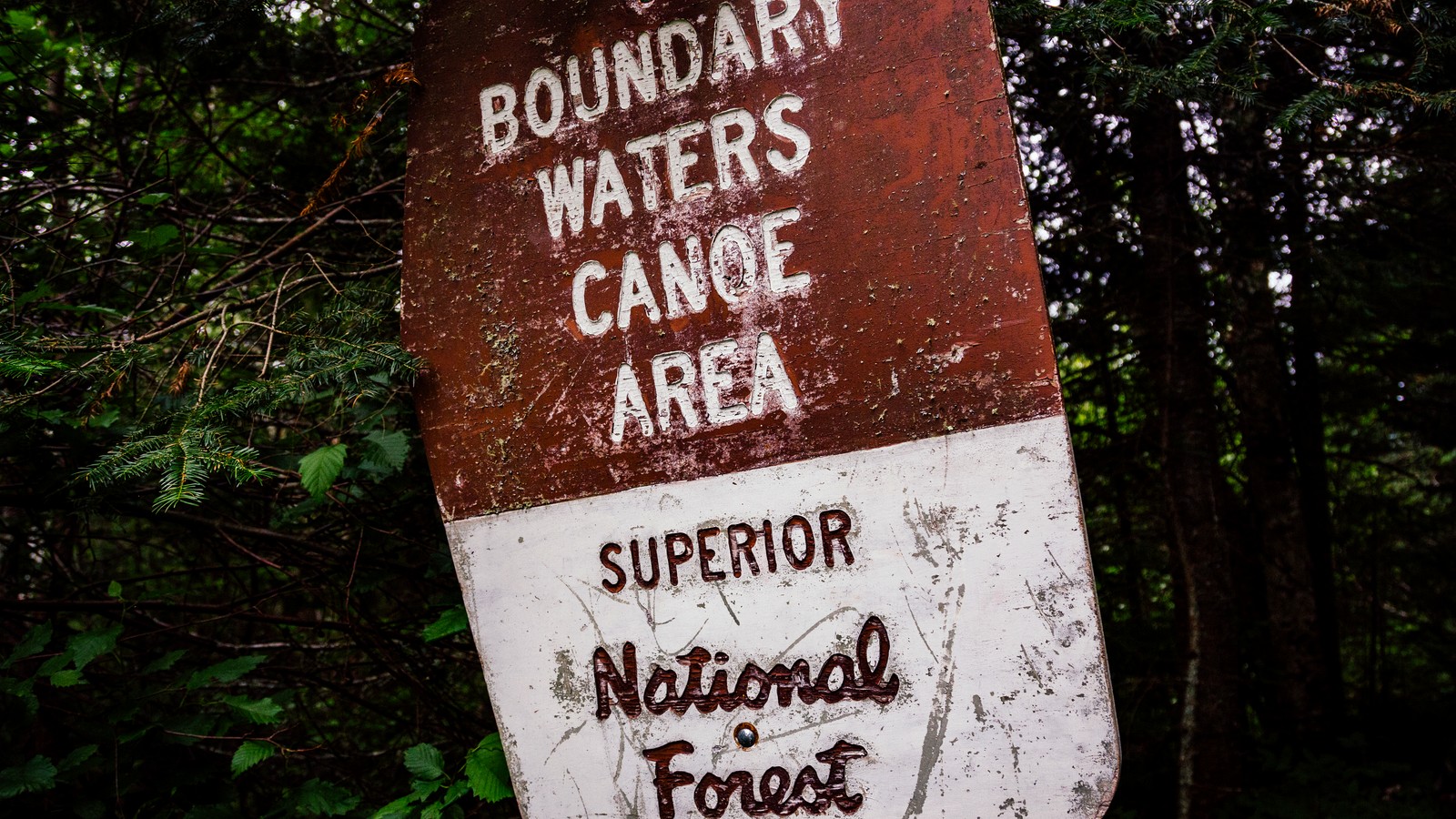
A 20-year withdrawal built through comments, consultations, and formal review is now being challenged so a mining project can get another shot at protected ground.