Signal 01
13.7%
USDA ERS says 13.7 percent of U.S. households were food insecure in 2024.
U.S. households experiencing food insecurity in 2024
USDA Economic Research ServiceFood & Scarcity uses USDA food-security and food-price data plus DOT freight indicators to establish the national baseline, then reserves local alerts for cases that can actually be tied to place-specific public records.
USDA ERS says 13.7 percent of U.S. households were food insecure in 2024.
USDA ERS says its March 2026 Food Price Outlook predicts food prices will increase 3.6 percent in 2026.
BTS says the Freight Transportation Services Index was 136.4 in January 2026, down 0.6 percent from December 2025 and 0.3 percent from January 2025.
These figures do not tell us every neighborhood's story. They do give the page a real baseline for scarcity, access, inflation, and freight movement instead of relying on invented local danger scores.
USDA ERS says 13.7 percent of U.S. households were food insecure in 2024.
USDA ERS says 5.4 percent of U.S. households had very low food security in 2024.
USDA ERS says 47.9 million people lived in food-insecure households in 2024.
USDA ERS says its March 2026 Food Price Outlook predicts food prices will increase 3.6 percent in 2026.
USDA ERS says its March 2026 Food Price Outlook predicts food-at-home prices will increase 3.1 percent in 2026.
BTS says the Freight Transportation Services Index was 136.4 in January 2026, down 0.6 percent from December 2025 and 0.3 percent from January 2025.
The old map implied neighborhood-level certainty it never had. The current page starts with public baselines, then uses those to decide when a place deserves its own verified record trail.
Scarcity is not a mood board. This page is now anchored to food insecurity, food-price inflation, freight movement, and place-specific environmental or logistics records instead of a fictional city heat map.
A local alert has to answer four questions: what is becoming scarce, where, according to which public record, and over what time window. Without those four answers, the page does not publish a local alert.
Food price pressure, freight bottlenecks, and environmental enforcement do not always move together. This page exists to test whether they converge in a place rather than forcing one explanation onto every shortage story.
The national signals matter because they tell us whether a local complaint is happening against a wider inflation or logistics backdrop. Local reporting gets stronger when the national baseline is visible on the same page.
USDA ERS says 13.7 percent of U.S. households were food insecure in 2024 and 47.9 million people lived in food-insecure households. Scarcity reporting does not need to invent deprivation; the public baseline is already severe.
USDA ERS says its March 25, 2026 Food Price Outlook predicts food prices will rise 3.6 percent in 2026, including 3.1 percent for food at home. Price pressure is still expected to outpace long-run averages for groceries and restaurants.
BTS says the Freight Transportation Services Index was 136.4 in January 2026, down 0.6 percent month over month. Freight movement is not the only scarcity driver, but it gives the page a live logistics pulse instead of a purely rhetorical one.
Current national food insecurity, very low food security, and state-level prevalence benchmarks.
Current annual food price forecasts and recent CPI food-price changes.
Current freight movement benchmark for the for-hire transportation industry.
Current federal freight and bottleneck indicator hub updated by DOT's interagency working group.
Ocean shipping oversight, investigations, and notices relevant to chokepoints and carrier power.
Facility-level environmental compliance and enforcement records for place-specific alerts.
Food & Scarcity now pairs with Corporate Capture and Housing Crisis. One investigation follows access and logistics stress, one tracks contract and supply-chain gatekeeping, and one shows what wage and housing pressure look like at the household level.
No ZIP-level or city-level alert goes live without a place-specific record, date stamp, and source path the reader can inspect.
Anecdotes about empty shelves or local shortages can guide reporting, but they do not become public metrics without a public dataset behind them.
National price or freight signals do not automatically prove local scarcity. This page keeps national baselines and local claims distinct.

Official records and reporting describe a federal program spending most of its money after removal, not on the range itself, while private operators keep winning million-dollar awards to warehouse the animals BLM keeps taking off public land.

Official records and reporting describe a huge and still-growing federal removal machine, with tens of thousands of animals warehoused off-range and a documented history of horses dying during major gathers.
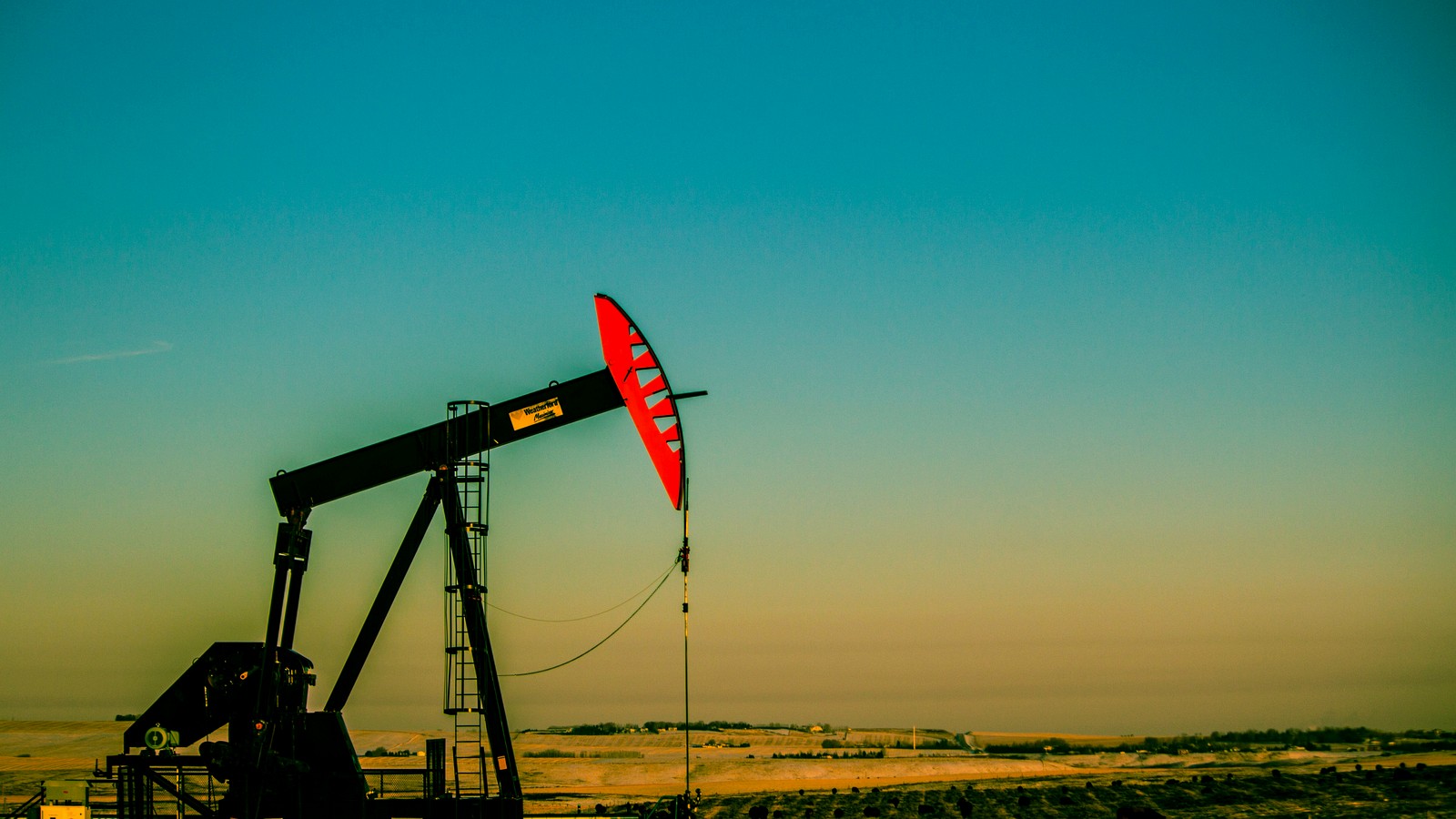
The public data showing how deeply the United States already relies on Canadian oil, gas, potash, and future critical-mineral buildout.