Why This Cluster Matters
A linked reporting file on the NEXT Renewable Fuels proposal, Port Westward infrastructure, wetlands, levees, fisheries, public finance, and lower Columbia risk.
Jump to any public page from mobile without losing the side-rail structure on desktop.
Stories turn public records, verified metrics, and ongoing reporting into readable pieces about housing, wages, healthcare, pet food, public lands, restaurant concentration, war money, blocked alternatives, and media manipulation.
The lead story on this page is the clearest example of how the site now turns verified records into published writing.
After treating foreign-adversary farmland ownership as a national-security threat, Trump defended Chinese buyers as a support for farm prices while farmers and consumers absorbed trade-war and Iran-war costs.
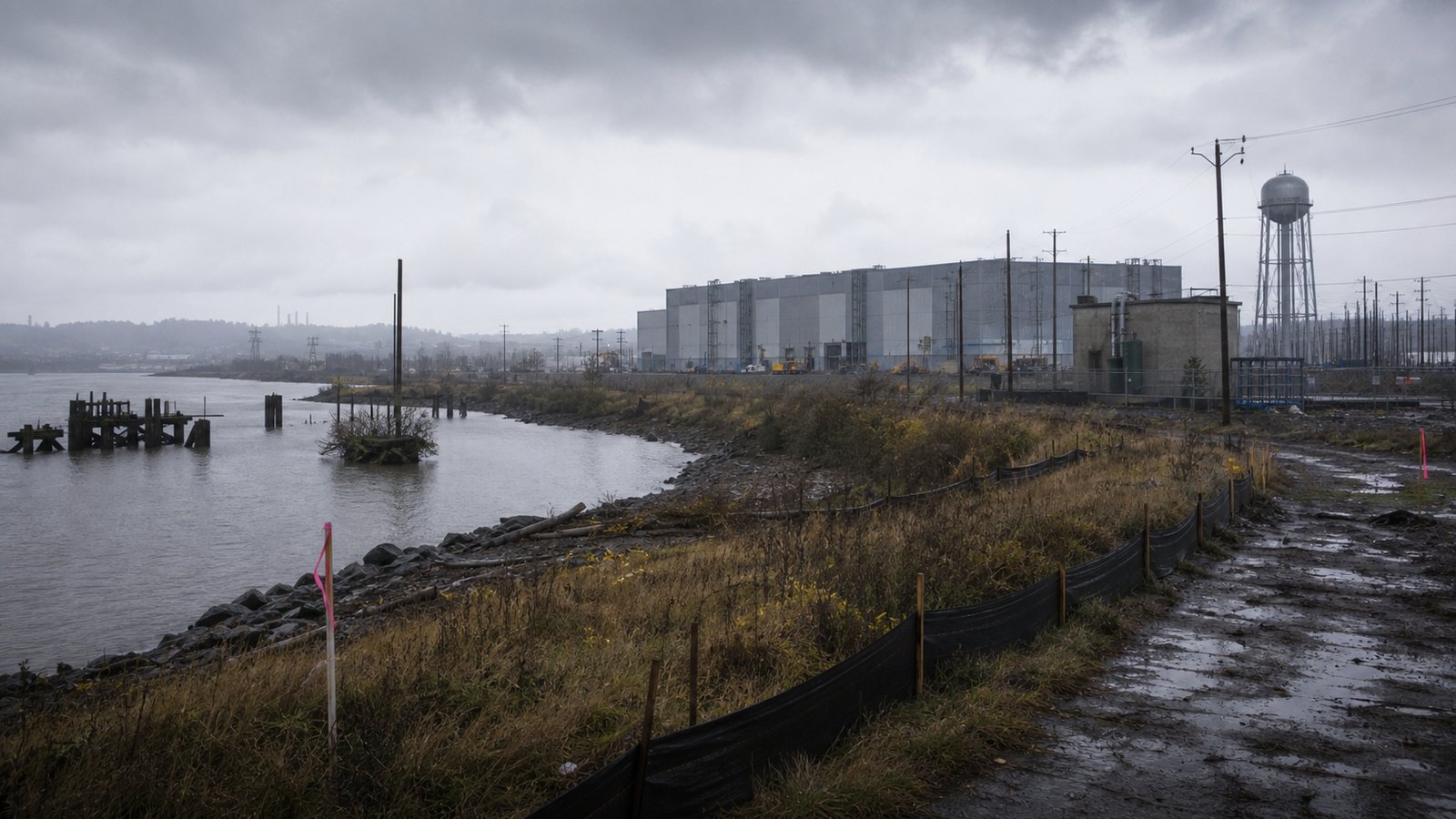
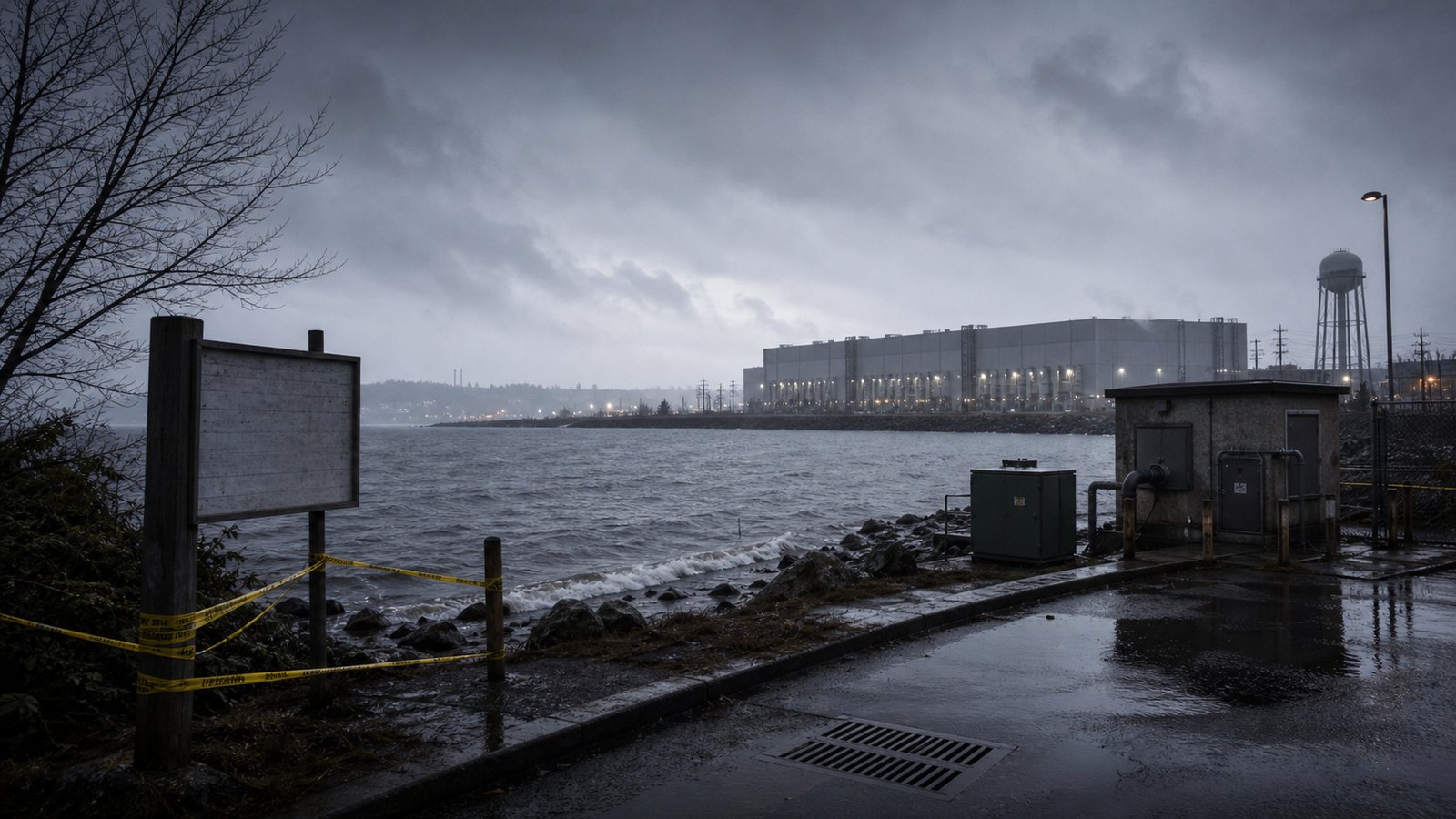
The Port Westward stories now live here as one tracked file. The newest story leads, the side panel explains why the case matters, and the follow-up list keeps the reporting readable instead of scattering it across the page.
Port Resolution 2023-08 approved a former-client conflict waiver tied to the Port Westward rezone. Resolution 2024.03 cut NEXT's rent from $108,497 to $15,000 a month while the federal EIS remained unresolved.
A linked reporting file on the NEXT Renewable Fuels proposal, Port Westward infrastructure, wetlands, levees, fisheries, public finance, and lower Columbia risk.
Follow the case in order without forcing the section into a two-column mismatch.
Everything below is the rest of the publication layer outside the Port Westward case file. These stories still link back to the investigations and records they came from.
The verified record does not show Trump personally selling U.S. Farmland to China. It does show a sharp reversal: China land ownership was called a food-security threat, then foreign demand became a price prop after farmers were boxed in by tariffs, lost exports, fuel costs, and fertilizer pressure.
Trump's environmental policy is not one chemical fight. It is a stack of choices that puts extraction, cost relief, and industrial flexibility ahead of habitat, drinking water, insects, wildlife, and public-land safety.
M-44 devices are baited cyanide ejectors built to kill coyotes and other canids. The policy reversal reopens a risk file involving wildlife, pets, children, ranching interests, and 245 million acres of BLM land.
Trump's side says outside managers made the trades. The filing still puts a market-moving president, company-specific praise, and broad delayed disclosure inside the same ethics fight he used against Congress.
Residents face strict rules while city leaders and industry groups argue over pricing, exemptions, and whether the region can avoid a Level 1 emergency by September 2026.
The public record shows no direct Bayer-to-Trump payment trail, but it does show federal decisions that favored glyphosate production and Bayer's litigation position.
The pressure point is not whether Catholics become uniformly anti-Trump. It is whether enough move, stay home, or split-ticket in a tight midterm map.
The record now shows a real U.S.-Vatican political rupture spanning Iran war rhetoric, migration policy, and who gets to define moral legitimacy.
The record confirms Palantir's defense posture and Israel partnership while leaving several viral claims short of documentary proof.
It is a recurring overlap between money-management structures, donor opacity, and strategic access to institutions that shape policy and markets.
Two April 12 posts are marked removed in Trump's Truth. Two live versions appeared less than three hours later. An April 13 post put the blockade on a clock.
Trump's archived posts run from force threats and total-destruction language to a Pakistan-mediated ceasefire, then to new Hormuz accusations, blockade orders, and April 15 oil-storage pressure.
The Alabama record runs through campaign money, Kay Ivey's disclosure form, workforce-board appointments, an ALDOT contract award, and an audit finding inside the state's transportation system.
Roblox reported 111.8 million daily active users, 6.1 billion chat messages per day, and 24,522 NCMEC reports in 2024. Kentucky's complaint and Roblox's safety posts describe risk moving across platform boundaries.
Paula White Ministries says White now serves in the White House Faith Office. The New Destiny bylaws show the church-governance structure she previously occupied: board voting rights, nonvoting congregants, and a written family succession clause.
Her rise sits at the intersection of White House access, prosperity-style fundraising, and a Senate oversight trail built around transparency, tax status, and ministry money.
It is a 50-state reporting structure built around campaign finance, disclosures, procurement, audits, and the statewide power centers that can turn recurring names into real stories.
Alaska's governor page pulls campaign finance, disclosure, procurement, and audit records into one place around Mike Dunleavy's office.
Arizona's governor page pulls campaign finance, disclosure, procurement, and audit records into one place around Katie Hobbs's office.
Arkansas's governor page pulls campaign finance, disclosure, procurement, and audit records into one place around Sarah Huckabee Sanders's office.
California's governor page pulls campaign finance, disclosure, procurement, and audit records into one place around Gavin Newsom's office.
Colorado's governor page pulls campaign finance, disclosure, procurement, and audit records into one place around Jared Polis's office.
Connecticut's governor page pulls campaign finance, disclosure, procurement, and audit records into one place around Ned Lamont's office.
Delaware's governor page pulls campaign finance, disclosure, procurement, and audit records into one place around Matt Meyer's office.
Florida's governor page pulls campaign finance, disclosure, procurement, and audit records into one place around Ron DeSantis's office.
Georgia's governor page pulls campaign finance, disclosure, procurement, and audit records into one place around Brian Kemp's office.
Hawaii's governor page pulls campaign finance, disclosure, procurement, and audit records into one place around Josh Green's office.
Idaho's governor page pulls campaign finance, disclosure, procurement, and audit records into one place around Brad Little's office.
Illinois's governor page pulls campaign finance, disclosure, procurement, and audit records into one place around JB Pritzker's office.
Indiana's governor page pulls campaign finance, disclosure, procurement, and audit records into one place around Mike Braun's office.
Iowa's governor page pulls campaign finance, disclosure, procurement, and audit records into one place around Kim Reynolds's office.
Kansas's governor page pulls campaign finance, disclosure, procurement, and audit records into one place around Laura Kelly's office.
Kentucky's governor page pulls campaign finance, disclosure, procurement, and audit records into one place around Andy Beshear's office.
Louisiana's governor page pulls campaign finance, disclosure, procurement, and audit records into one place around Jeff Landry's office.
Maine's governor page pulls campaign finance, disclosure, procurement, and audit records into one place around Janet Mills's office.
Maryland's governor page pulls campaign finance, disclosure, procurement, and audit records into one place around Wes Moore's office.
Massachusetts's governor page pulls campaign finance, disclosure, procurement, and audit records into one place around Maura Healey's office.
Michigan's governor page pulls campaign finance, disclosure, procurement, and audit records into one place around Gretchen Whitmer's office.
Minnesota's governor page pulls campaign finance, disclosure, procurement, and audit records into one place around Tim Walz's office.
Mississippi's governor page pulls campaign finance, disclosure, procurement, and audit records into one place around Tate Reeves's office.
Missouri's governor page pulls campaign finance, disclosure, procurement, and audit records into one place around Mike Kehoe's office.
Montana's governor page pulls campaign finance, disclosure, procurement, and audit records into one place around Greg Gianforte's office.
Nebraska's governor page pulls campaign finance, disclosure, procurement, and audit records into one place around Jim Pillen's office.
Nevada's governor page pulls campaign finance, disclosure, procurement, and audit records into one place around Joe Lombardo's office.
New Hampshire's governor page pulls campaign finance, disclosure, procurement, and audit records into one place around Kelly Ayotte's office.
New Jersey's governor page pulls campaign finance, disclosure, procurement, and audit records into one place around Mikie Sherrill's office.
New Mexico's governor page pulls campaign finance, disclosure, procurement, and audit records into one place around Michelle Lujan Grisham's office.
New York's governor page pulls campaign finance, disclosure, procurement, and audit records into one place around Kathy Hochul's office.
North Carolina's governor page pulls campaign finance, disclosure, procurement, and audit records into one place around Josh Stein's office.
North Dakota's governor page pulls campaign finance, disclosure, procurement, and audit records into one place around Kelly Armstrong's office.
Ohio's governor page pulls campaign finance, disclosure, procurement, and audit records into one place around Mike DeWine's office.
Oklahoma's governor page pulls campaign finance, disclosure, procurement, and audit records into one place around Kevin Stitt's office.
Oregon's governor page pulls campaign finance, disclosure, procurement, and audit records into one place around Tina Kotek's office.
Pennsylvania's governor page pulls campaign finance, disclosure, procurement, and audit records into one place around Josh Shapiro's office.
Rhode Island's governor page pulls campaign finance, disclosure, procurement, and audit records into one place around Dan McKee's office.
South Carolina's governor page pulls campaign finance, disclosure, procurement, and audit records into one place around Henry McMaster's office.
South Dakota's governor page pulls campaign finance, disclosure, procurement, and audit records into one place around Larry Rhoden's office.
Tennessee's governor page pulls campaign finance, disclosure, procurement, and audit records into one place around Bill Lee's office.
Texas's governor page pulls campaign finance, disclosure, procurement, and audit records into one place around Greg Abbott's office.
Utah's governor page pulls campaign finance, disclosure, procurement, and audit records into one place around Spencer Cox's office.
Vermont's governor page pulls campaign finance, disclosure, procurement, and audit records into one place around Phil Scott's office.
Virginia's governor page pulls campaign finance, disclosure, procurement, and audit records into one place around Abigail Spanberger's office.
Washington's governor page pulls campaign finance, disclosure, procurement, and audit records into one place around Bob Ferguson's office.
West Virginia's governor page pulls campaign finance, disclosure, procurement, and audit records into one place around Patrick Morrisey's office.
Wisconsin's governor page pulls campaign finance, disclosure, procurement, and audit records into one place around Tony Evers's office.
Wyoming's governor page pulls campaign finance, disclosure, procurement, and audit records into one place around Mark Gordon's office.
The David Hoch file runs through the Star Tribune identification, Shirley's House testimony, GPB reporting on House GOP staff, and hearing attachments describing anti-Somali and anti-Muslim posts.
Shirley's current public stack includes donation asks, a tipline, an audience funnel, a support hub with Bitcoin and merchandise language, documented staged content, House GOP information feeders, and direct White House and congressional platforming.
The Shirley file had staged political content, White House platforming, and congressional guest treatment before the Minnesota daycare video became the headline.
A manual review of the official partners page found at least 368 listed groups. Mobilize's help docs say hosts can export attendee CSVs with name, email, phone, zip, event, affiliated organization, signup source, and more.
Bonterra's privacy notice says Mobilize may collect event, contact, device, and organization-affiliation data, and may disclose personal information to organizations, campaigns, authorities, or legal process under stated conditions.
Shirley's own testimony shows an eyeball-test method, while Minnesota's official record says that kind of hostile pop-in cannot establish attendance, enrollment, or misuse of funds. The result was a panic that outran the proof.
As of April 2026, the Charlie Kirk case still runs through a delayed-hearing request, an inconclusive ATF bullet report, FBI tests still in progress, denied access to UVU security records, transcript redactions, and a $2 million request to keep the case funded.
Use Trends to surface anomalies, then walk every Charlie Kirk lead up through phrase discipline, control searches, archived artifacts, dispatch or court records, and NIJ-style evidence handling before calling it a story.
Google says Trends shows relative search interest, not person-level activity. That is useful for reporting and context, but it is not a shortcut to identity, motive, or guilt.
Daily Wire says it launched with Caleb Robinson and $4.7 million from Farris Wilks. Guardian says the brothers gave at least $8 million to PragerU. TIME says the family put $15 million into a pro-Cruz super PAC. That is not rumor. It is a money trail.
China and Russia are involved, but in the public record they look like diplomatic and U.N. Players, not open battlefield entrants. And while U.S. Positions have been hit, the record I can verify does not support claims that 27 American bases were destroyed or that the Fifth Fleet was wiped out.
Start with the official counts: 737,332 settlers by the end of 2024, 849 movement obstacles by early 2025, 1,697 Palestinians displaced in the first three months of 2026, and a U.S. Policy swing that briefly sanctioned a violent settler network before tearing down the sanctions framework behind it.
Pakistan said the ceasefire applied everywhere, including Lebanon. Netanyahu said it did not. Trump and Vance later backed the narrower reading, and Lebanon paid the price within hours.
The Teton Valley timeline runs through county office, brokerage, planning records, party structure, Ron James' objection letter, and the Driggs 160 auction track.
Harley Wilcox has the deepest trail: former commissioner, realtor/developer, applicant, and recurring planning participant. Anthony Wilcox appears repeatedly in 2024 county comment records. Heather Wilcox is publicly listed in the county Republican structure.
Wilcox's brokerage page describes him as a developer, investor, and builder. County records place him in later scenic-corridor review and public-comment proceedings tied to local land fights.
As of April 7, 2026, Idaho's sale page still showed the Driggs 160 as an active auction listing with a $5 million reserve. The closing trail starts with the recorded deed.
The firm's own site lists Mark Bottles as principal and broker, Jacob Bottles as principal and agent, and says Mark Bottles has brokered more than $4 billion in real estate.
The Yeager file runs through county-party leadership, state-party standing, property-owner language, and a public example of local party pressure.
If you want to know who helped a Tull-adjacent land play move, start with the officials already on the paper: the Idaho Department of Lands, the State Board of Land Commissioners, and local actors like Ron James who declined to join the objection.
Official records and reporting describe land interest, political money, philanthropy, and local government decision-making colliding around one county commissioner and one billionaire ranch owner.
Official records and reporting describe a city stacking contract pressure, annexation, zoning, lot-splitting, and debt confirmation around one wastewater project, while the letter reviewed by the site shows the owners were also being told a condemnation path was on the table.
Victor Mayor Will Frohlich and Driggs Mayor August Christensen sit over a regional wastewater fight now measured in rate hikes, a federal consent decree, a lawsuit, and competing multimillion-dollar plant plans.
Official records and reporting describe a shared public utility relationship breaking down after federal enforcement, admitted compliance failures, and a lawsuit over how the money and oversight were handled.
The current faith-politics file runs through vote shares, White House staffing, prayer-stage policy announcements, and polling that separates church support from personal spiritual credibility.
A small number of giant U.S. Media companies and station groups already control enormous chunks of the broadcast system, and the public record shows that concentration can affect what airs across whole clusters of local markets.
Official records and reporting describe a major TV-and-web brand paying more than $100 million across two election-defamation settlements while continuing to grow and market its prime-time shows as a core conservative media destination.
The White House faith file runs through an executive order, campaign-linked staffing, a Prayer Breakfast task-force announcement, and Trump's public attack on Bishop Mariann Budde after she asked him to show mercy.
The current record already shows a damaged health system being kept in crisis by border chokepoints: patients cannot get out fast enough, equipment cannot get in fast enough, and medicine stocks remain critically depleted.
The operational bottleneck is visible in the data: too much depends on one crossing, too little equipment clears quickly, too few patients get out for care, and key water and hospital systems are still badly constrained.
The current UN file lists continuing casualties, no fully functioning hospitals, an 18,500-patient evacuation backlog, water-system damage, and acute food insecurity for 1.6 million people.
Official records and reporting describe a federal program spending most of its money after removal, not on the range itself, while private operators keep winning million-dollar awards to warehouse the animals BLM keeps taking off public land.
Official records and reporting describe a huge and still-growing federal removal machine, with tens of thousands of animals warehoused off-range and a documented history of horses dying during major gathers.
The government revived one of its rarest override mechanisms to protect a major fossil-fuel corridor, using Iran-war and oil-security framing to set aside endangered-species constraints.
Washington maintains a large Israel aid pipeline while the United States still has millions uninsured and Israel operates universal health coverage.
Official records and reporting describe a chief of staff whose rise ran through the same donor, lobbying, and access networks she would later be expected to police from inside the White House.
Official records and reporting describe a Commerce secretary whose Wall Street background, sprawling divestment problem, and tariff-and-deal role created an unusually sharp conflict-of-interest atmosphere from the start.
Official records and reporting describe a secretary of state who kept accumulating authority, shrinking independent channels, and using one of the country's most sensitive offices as part of a broader loyalty-first governing project.
Official records and reporting describe a president who came back to office with a felony conviction behind him, broad new immunity doctrine in hand, and a governing style built around testing whether any real guardrails still remained.
Official records and reporting describe an EPA administrator pairing major rule rollbacks with grant freezes and forcing courts to demand evidence for fraud claims that looked thin from the start.
Official records and reporting describe an education secretary whose operating mission was demolition first: layoffs, grant freezes, court fights, and a longer campaign to make the department smaller, weaker, and easier to bypass.
Official records and reporting describe a vice president whose political value comes from loyalty to Trump and the movement around him, even when institutional guardrails are exactly what the moment calls for.
Official records and reporting describe a health secretary who brought movement politics, conflict questions, and unilateral power moves into the center of federal health policy.
Official records and reporting describe a repeated pattern of public office bending toward family access, personal control, and image management.
AP later traced the funding freeze, $9.4 billion rescission request, pocket rescission, agency downsizing push, and CFPB cuts through the budget office Vought ran.
Official records and reporting describe an immigration enforcer whose second-term power kept expanding while family-separation harms, mass-detention growth, and a politically closed bribery file all sat in the same record.
His confirmation record created a clear benchmark, and the personnel and file-release fights that followed made that benchmark look harder and harder to believe.
Official records and reporting describe a career moving through prosecution, elected office, foreign-influence work, and partisan loyalty in ways that keep collapsing independence into access.
Official records and reporting describe a policymaker whose signature project moved from first-term family separation into second-term mass-deportation expansion, with judges and public records repeatedly exposing how coercive and far-reaching the machinery had become.
Official records and reporting describe private money, private business interests, and public power collapsing into each other in ways that kept tripping legal, ethics, and accountability alarms.
Fox News identified Hegseth as a former host before he entered Trump's Pentagon. AP later reported a run of senior military removals, and the DoD inspector general found recordkeeping and communications failures tied to Signal.
DOJ said it published nearly 3.5 million responsive pages. House Democrats said members were limited to four DOJ computers at a satellite office, while Chairman James Comer set an April 14 deposition date for Attorney General Bondi.
The pandemic-era affordability boost expired, 2026 subsidy math got harsher, and families already under cost pressure took the hit.
Official U.S. Records still show racial gaps in detention recommendations, probation decisions, sentence length, jail population, and imprisonment rates long after the arrest count is over.
Public surveys and official records show a climate in which bias remains real while acknowledgment of it is increasingly selective.
The public data showing how deeply the United States already relies on Canadian oil, gas, potash, and future critical-mineral buildout.
AI adoption is rising, most firms still are not planning layoffs, and that sounds reassuring until you line it up with the youth labor record. The pressure may be landing first in hiring, early-career entry, and weaker momentum for young technical workers rather than in one obvious unemployment shock.
Statistics Canada, Health Canada, and CIHI put numbers on the same workforce problem: internationally trained health workers are underused while millions of Canadians still lack regular care.
CMHC's 2025 supply-gap math puts Canada's affordability repair pace at 430,000 to 480,000 starts a year through 2035. The 2025 total was 259,028.
The congressional stock-trading fight starts with the official rulebook: trades first, disclosure later, and a flat late fee unless the Ethics Committee waives it.
FDA's own food-chemical record runs through split review paths, legal residue thresholds, monitoring reports, PFAS contact-notification cleanup, BVO revocation, and Red No. 3 deadlines.
When the landscape becomes mostly turf, sprayed edges, and monoculture, insects lose flowering plants, host plants, cover, and breeding ground. Pollination and food webs weaken with them.
The club says the Grove is a refuge from decision-making. The Reagan Library still contains a Social Security memo tied directly to a Bohemian Grove conversation.
The dicamba paper trail, EPA's current chemical-safety leadership chart, and the glyphosate immunity fight all point in the same direction: the chemical industry never really left the room.
A proposed 5 percent net-worth tax, an 870,000-signature ballot threshold, and a $20 million opposition check put California's billionaire-tax fight into campaign-finance territory before voters saw a ballot.
The federal record is not subtle. Raw diets keep turning into Salmonella, Listeria, or H5N1 stories, which means owners are often asked to trust a purity narrative first and reconstruct the lot-code trail later.
FDA and other public materials already document pesticide-residue monitoring, raw-food contamination risks, and label limits in pet food.
A 20-year withdrawal built through comments, consultations, and formal review is now being challenged so a mining project can get another shot at protected ground.
Restaurant prices are still rising, and one company now sits behind hundreds of thousands of customer locations across the food-service economy.
The money story around war does not end with appropriations. It runs through company sales, backlogs, contracts, and lobbying records.
Hemp is a measurable U.S. Crop with public production numbers that also show how small it remains next to entrenched legacy materials.
The cash barrier to buying a new home is now larger than annualized median full-time earnings, even before mortgage payments, closing costs, and insurance enter the picture.
At the federal level, the wage floor still annualizes to about $15,080 before taxes, a measure of how little protection the national baseline now offers in a much more expensive economy.
Public data now show how much news discovery has shifted toward feeds, podcasts, and creator-led channels, changing how people encounter claims before they ever verify them.
The current federal record already gives the outline of the story: $15,474 per person, $1.64 trillion through private insurance, and $13.18 billion in disclosed industry transfers and ownership interests. The harder question is how much of that system is paying for care and how much is paying for power.
The stories layer is where the site turns issue pages into readable reporting. The investigations hold the records and source maps; the stories turn those records into something people can read without severing the link back to the underlying files.