Desk Setup
Treat Environment Like A Real Desk
This desk is where wetlands, floodplain, fisheries, habitat loss, permits, levees, spills, and downstream public-risk stories should live together instead of being stranded in the general story feed.
This issue file is where environmental reporting should connect back to the source record: permits, agency reviews, water systems, habitat, infrastructure, and downstream public exposure. Stories still publish in the main feed, but the desk should hold the file and the latest linked reporting.
This desk is where wetlands, floodplain, fisheries, habitat loss, permits, levees, spills, and downstream public-risk stories should live together instead of being stranded in the general story feed.
Environmental reporting here starts with local records: permits, agencies, land-use fights, water systems, and infrastructure risk.
Port Westward is the clearest active file right now, but the desk should stay wide enough for land, habitat, water, industrial siting, and public-exposure stories elsewhere too.
Issue files should hold the framing and the source lanes. The story feed can stay fast, but every environmental story should still roll back into a desk the reader can follow.
Wetlands, fill permits, 401 certifications, and federal environmental review files show where the public record starts.
Levees, drainage districts, roads, spill response, port infrastructure, and public repair bills show who absorbs risk when projects go sideways.
Fisheries, habitat, tribal consultation, navigation, and downstream-use records show whether harm stops at the fence line or moves through a whole region.
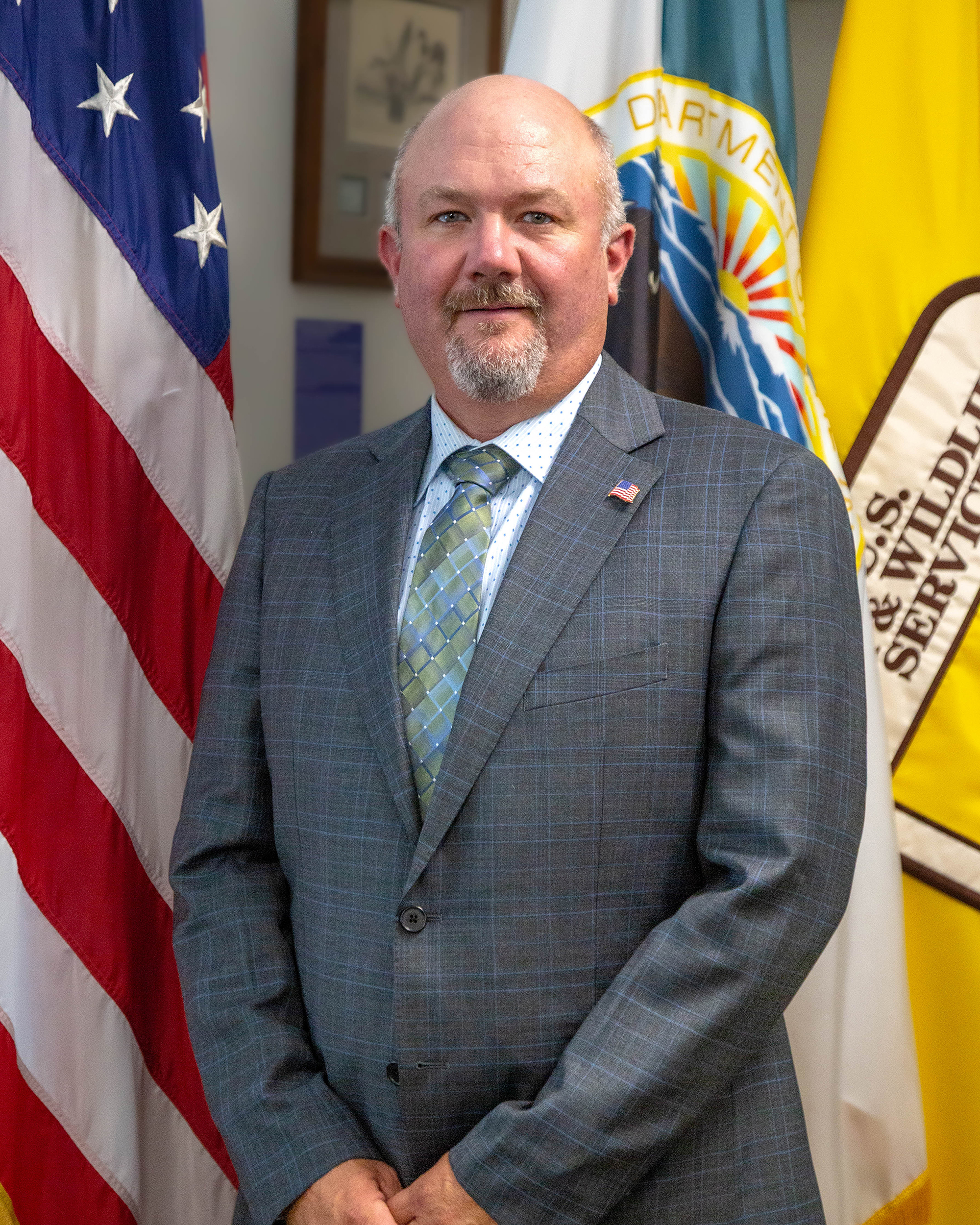
Brian Nesvik defended Wyoming's initial handling of the Cody Roberts wolf case. As Trump's wildlife chief, he has signed a restrictive endangered-species memo and ordered a nationwide refuge review. His ethics agreement and compliance certification disclose the business interests he kept and the restrictions he accepted.
Cody Roberts is publicly known as a Daniel, Wyoming trucking contractor and the defendant in a wolf cruelty case that ended in probation. The deeper scandal is the legal culture around him: Wyoming still lets predators be pursued by motorized vehicles while punishing only the suffering that becomes too visible to ignore.
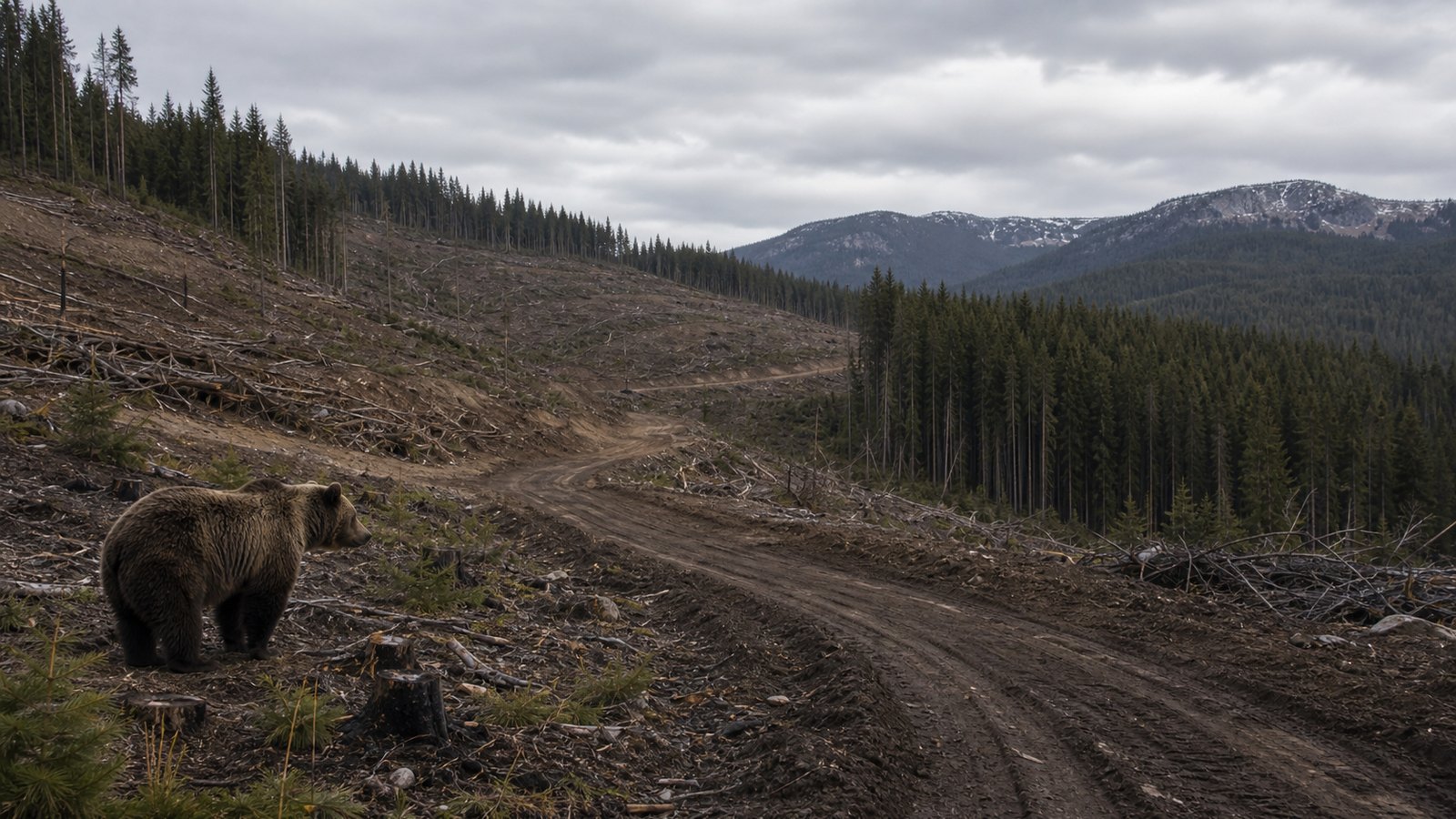
The Larabee Hat fight is not just about one Montana logging project. It shows how an administration can shrink wildlife protection by changing the definition first, then claiming the habitat math still works.