WHYAMERICASUCKS.COM
POLITICAL GRIFTPolitical Grift
menuMenu
Verified Congressional Files

PUT THE FILING NEXT TO THE FACE

The transcripts made the names impossible to ignore. These cards put the public record next to the face: House PTR PDFs, Senate complaint exhibits, official member pages, the actual reporting windows, and the tiny fee that still governs late disclosure.

Why These Cards Exist

Transcript Leads, Filing-Backed Pages

This batch starts with names whose filing trail can actually be inspected: House PTRs in the Clerk database, plus Senate annual-report and PTR exhibits surfaced in ethics complaints and cross-checked against the Senate rulebook. Each card is built to show the evidence before the opinion.
Rulebook

The System Runs On Delay

The system still lets trades happen first and disclosure come later. That is why a page like this needs both the rulebook and the individual files.

Late filing fee

House and Senate ethics guidance both still anchor late-filing enforcement around a $200 penalty.

$200
Awareness window

House and Senate guidance both use 30 days from awareness or written notification.

30 days
Transaction backstop

House and Senate guidance both use a 45-day backstop from the transaction date.

45 days
Current reform bills

H.R. 5106 and S. 1879 both cover members, spouses, and dependent children rather than treating family accounts as a side issue.

Family Covered
Scope

First Verified Batch

These cards are not the end of the list. They are the first verified scorecards from the current congressional record layer. More names can be added as the filing trail is assembled.

Representative · California 11
Nancy Pelosi

These are not blind-trust filings. Pelosi's 2025 House PTRs show spouse-held options in major technology names, large share sales, and another seven-figure-to-eight-figure bracketed transaction later in the year.

Representative · North Carolina 14
Tim Moore

Moore's first House year already produced a long chain of PTRs. The official files show repeated leveraged ETF trading, fast turnover in individual names, and public disclosure happening only after the trades were already made.

Representative · Florida 25
Debbie Wasserman Schultz

This file is less about one giant options trade and more about the loophole itself. The 2025 record runs through dependent-child and IRA activity, which is exactly why stock-ban reform proposals now name family accounts directly.

Senator · Oklahoma
Markwayne Mullin

The strongest public issue here is not one magic trade. It is the filing trail. The Senate complaint says Mullin's annual reports and PTRs did not line up cleanly, while the disclosed holdings included names like RTX and ConocoPhillips.

Senator · Alabama
Tommy Tuberville

Tuberville's scorecard is less about one perfect stock pick and more about scale. The public record complaint says nearly 130 trades were disclosed late, including names tied to the federal COVID-19 response while he sat on HELP.

Verified Scorecards

Who The Record Flags

These sections keep the accusation smaller than the evidence. They show what was filed, which household code appears on the form, and why the public is right to see a trust problem here.

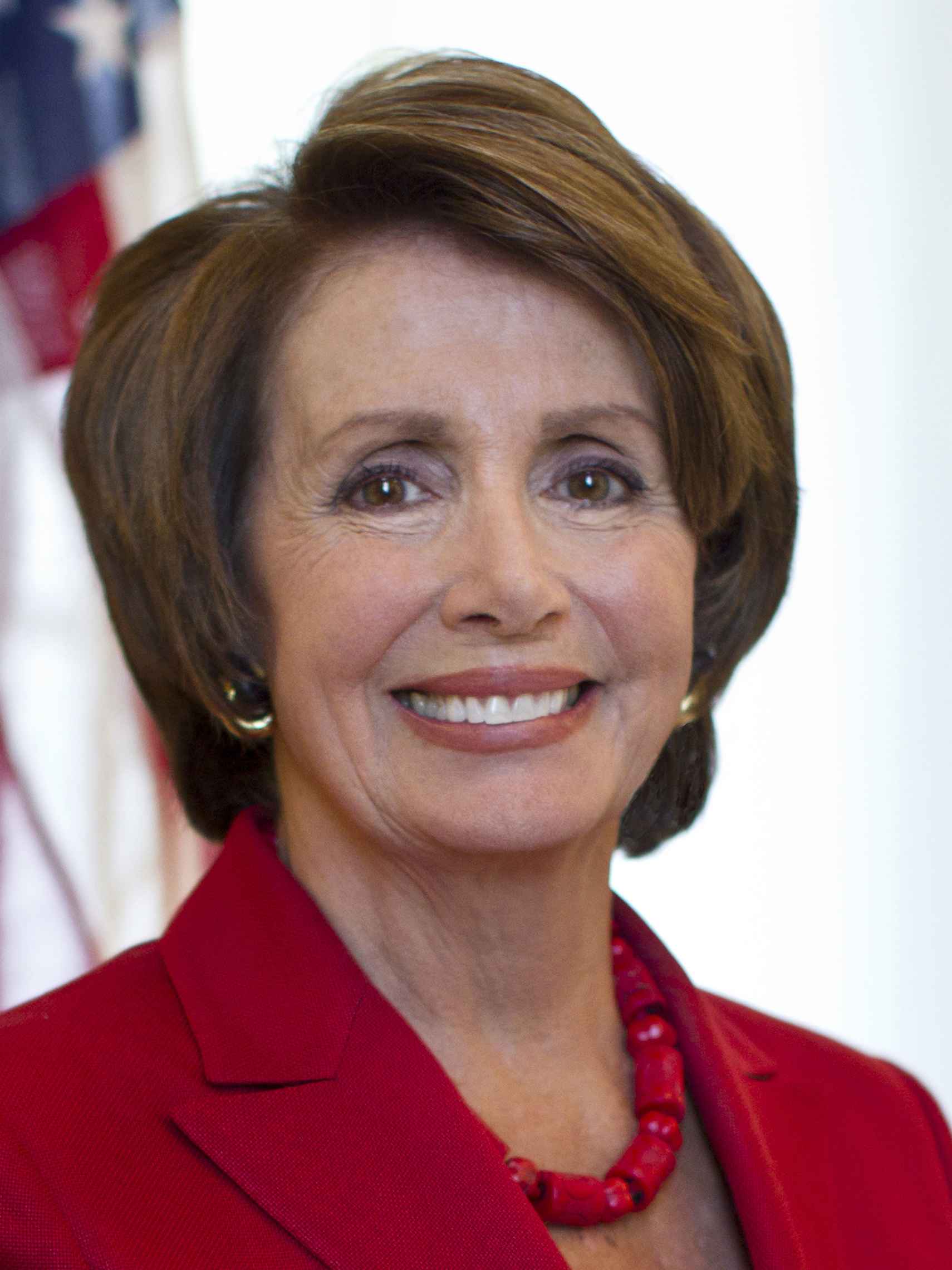
Official public-domain portrait of Nancy Pelosi.
Representative · California 11

Nancy Pelosi

These are not blind-trust filings. Pelosi's 2025 House PTRs show spouse-held options in major technology names, large share sales, and another seven-figure-to-eight-figure bracketed transaction later in the year.

Spouse accountCall optionsLarge-cap tech2025 House PTRs
2025 PTRs
3

The House search results show three 2025 periodic transaction reports under Pelosi's name.

Account code
SP

The filing code `SP` marks spouse-held transactions, which is why reform bills now target family accounts too.

Pattern
Options + Shares

The public record shows options, large common-stock moves, and repeated filings inside the same year.

What The Record Shows

January 2025 shows active household options trading

Filing ID `#20026590`, signed January 17, 2025, shows spouse-held call options in Alphabet, Amazon, NVIDIA, Tempus AI, and Vistra. That is not a passive-index portfolio. It is targeted household trading in large technology and energy names.

The filing pairs large share sales with a very large NVIDIA exercise

That same filing shows 31,600 Apple shares sold and 10,000 NVIDIA shares sold, alongside the exercise of 500 NVIDIA call options into 50,000 shares. The point of the scorecard is not to call that a crime by itself. It is to show how concentrated and high-dollar the household activity actually was.

Later 2025 filings keep the pattern alive

Filing ID `#20030630`, signed July 9, 2025, adds a Broadcom exercise bracketed at up to $5 million. Filing ID `#20033337`, signed October 24, 2025, adds another spouse-held Apple sale. The public record does not show one isolated trade. It shows a continuing pattern.

Recorded Scale Vs Late Fee
Broadcom exercise bracket

The July 9, 2025 PTR lists a Broadcom exercise bracketed at $1,000,001 to $5,000,000.

Up to $5M
January NVIDIA common-stock exercise

The January 17, 2025 PTR lists a December 20, 2024 NVIDIA common-stock exercise bracketed at $500,001 to $1,000,000.

Up to $1M
Tempus AI options bracket

The January 17, 2025 PTR lists Tempus AI call options bracketed at $50,001 to $100,000.

Up to $100K
House late filing fee

House Ethics says a report filed more than 30 days late generally triggers a $200 fee unless waived.

$200
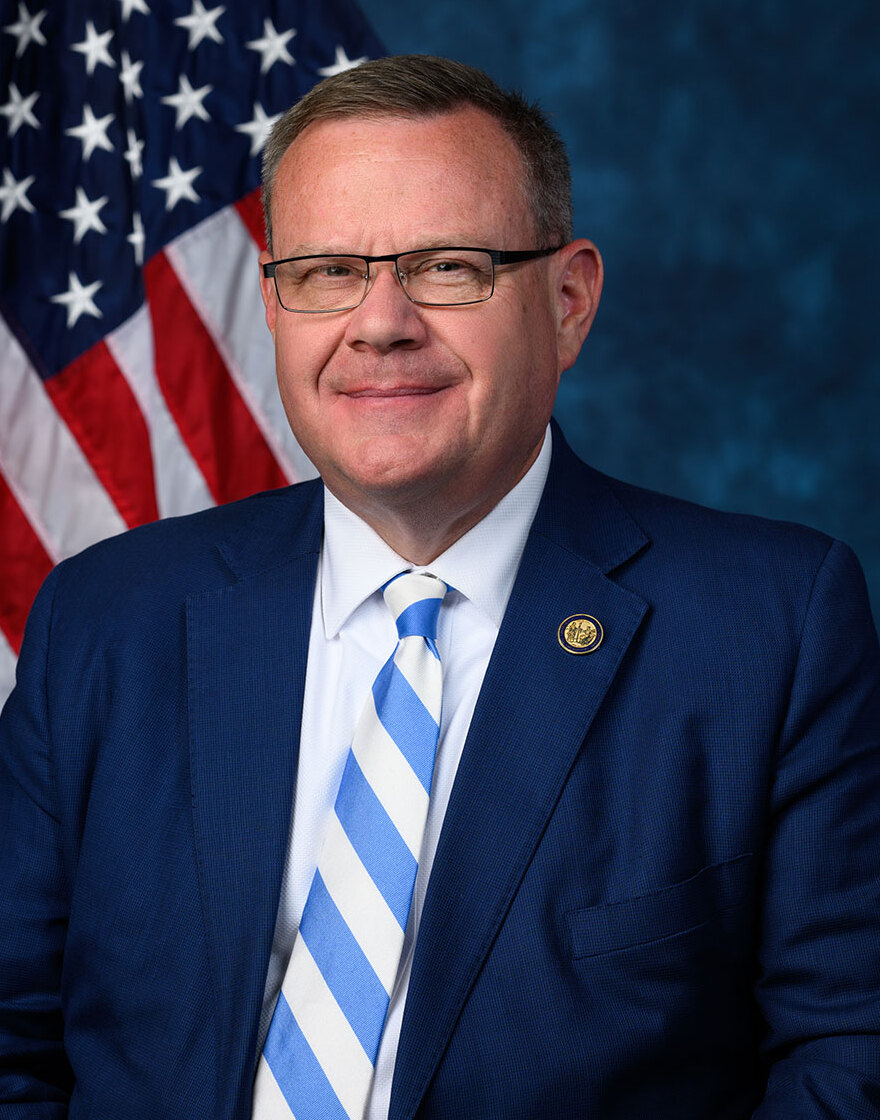
Official public-domain portrait of Representative Tim Moore.
Representative · North Carolina 14

Tim Moore

Moore's first House year already produced a long chain of PTRs. The official files show repeated leveraged ETF trading, fast turnover in individual names, and public disclosure happening only after the trades were already made.

Self-held tradesLeveraged ETFs12 PTRsFinancial Services Committee
2025 PTRs
12

The House search results show twelve 2025 periodic transaction reports under Tim Moore's name.

Committees
Budget + Financial Services

Tim Moore's official House press kit says he serves on Financial Services and the Budget Committee.

Pattern
Rapid-fire ETF trading

The filings show repeated leveraged ETF trades alongside frequent single-stock turnover.

What The Record Shows

The official 2025 record shows repeated leveraged bear-ETF trading

Filing IDs `#20030824` and `#20031020` show repeated trades in the Direxion Daily Small Cap Bear 3X ETF (`TZA`). One July 16 sale is bracketed at up to $250,000. One August 25 purchase is bracketed at up to $100,000. This is not a one-off buy-and-hold position.

The pattern extends beyond one ticker

The May 5 and June 13 filings also show TQQQ, SMCY, Apple, Harley-Davidson, Centene, and other names moving through the account. The public record points to a member actively rotating through individual stocks and leveraged ETFs in his first House year.

The committee context makes the optics worse, not better

Tim Moore's own press kit says he serves on Financial Services and the Budget Committee. That does not prove insider trading. It does show why active market trading by sitting members keeps generating public distrust, especially when the disclosure delay and late-fee structure remain so weak.

Recorded Scale Vs Late Fee
July TZA sale bracket

The August 5, 2025 PTR shows a July 16 sale in TZA bracketed at $100,001 to $250,000.

Up to $250K
August TZA buy bracket

The September 3, 2025 PTR shows an August 25 TZA purchase bracketed at $50,001 to $100,000.

Up to $100K
TQQQ sale bracket

The May 5, 2025 PTR shows a TQQQ sale bracketed at $50,001 to $100,000.

Up to $100K
House late filing fee

House Ethics still anchors late filing enforcement around a $200 fee.

$200
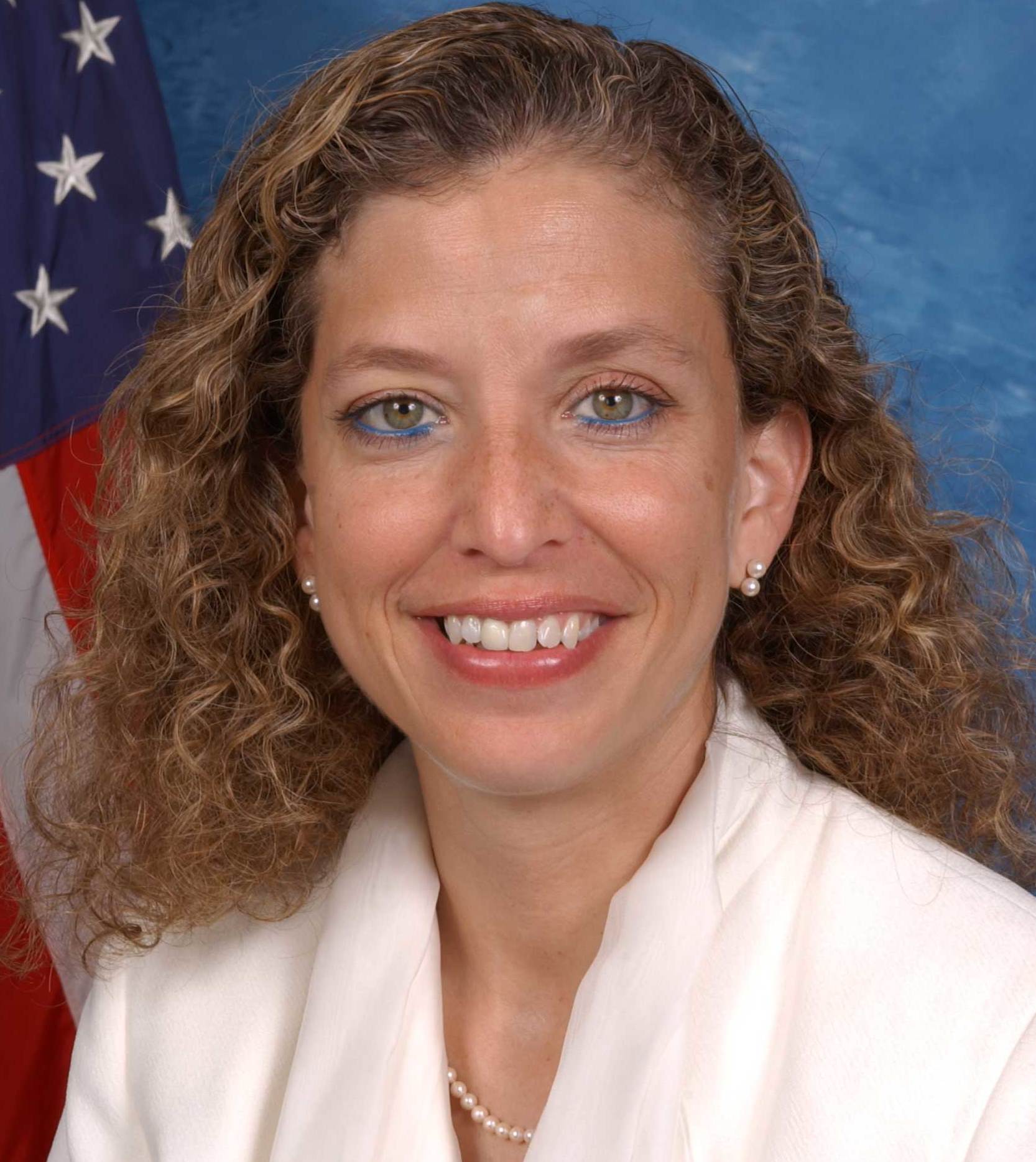
Official public-domain portrait of Debbie Wasserman Schultz.
Representative · Florida 25

Debbie Wasserman Schultz

This file is less about one giant options trade and more about the loophole itself. The 2025 record runs through dependent-child and IRA activity, which is exactly why stock-ban reform proposals now name family accounts directly.

Dependent child accountIRA activityMining + med-tech2025 House PTRs
2025 PTRs
9

The House search results show nine 2025 periodic transaction reports under Debbie Wasserman Schultz's name.

Account codes
DC + IRA

The 2025 filings use `DC` for Dependent Child C and separately flag an IRA-held asset.

Pattern
Household sector bets

The trades run through mining, med-tech, telecom, aerospace, industrial, and airline names.

What The Record Shows

A mining trade shows up in the 2025 PTR set

Filing ID `#20030577`, signed July 1, 2025, shows a New Gold purchase. The transaction date listed on the form is February 28, 2024, but the public disclosure lands in 2025. That gap is exactly why the rule structure matters as much as the trade itself.

The record shows targeted household trading through a dependent-child account

Later 2025 filings attribute multiple trades to `Dependent Child C`, including Ichor Holdings, Stratasys, AngioDynamics, and Innovex. These are not passive broad-market holdings. They are specific household picks moving through a dependent-child account.

The filings spread the activity across family and retirement structures

Filing ID `#20032230` separately flags Berry Corporation as an IRA-held asset. Put together, the 2025 file set shows why members' own names are only part of the story. The household-account problem is real enough that reform bills now write spouses and dependent children directly into the text.

Recorded Scale Vs Late Fee
New Gold trade bracket

The July 1, 2025 PTR lists New Gold at $1,001 to $15,000.

Up to $15K
Ichor buy bracket

The August 6, 2025 PTR lists an Ichor Holdings purchase at $1,001 to $15,000.

Up to $15K
Innovex sale amount

The December 8, 2025 PTR lists an Innovex sale of $1,140 by Dependent Child C.

$1,140
House late filing fee

The House late filing fee is still only $200.

$200
Official portrait of Senator Markwayne Mullin.
Senator · Oklahoma

Markwayne Mullin

The strongest public issue here is not one magic trade. It is the filing trail. The Senate complaint says Mullin's annual reports and PTRs did not line up cleanly, while the disclosed holdings included names like RTX and ConocoPhillips.

Joint accountSenate complaintRTX + ConocoPhillipsArmed Services Committee
Complaint count
10+

The September 2024 ethics complaint alleges at least ten unreported 2023 transactions.

January PTR
43 trades

The complaint says Mullin's January 26, 2024 PTR reported 43 transactions.

Committees
4 committees

Mullin's official Senate biography lists Armed Services, Appropriations, HELP, and Indian Affairs.

What The Record Shows

The complaint says the 2023 annual report exposed a missing PTR trail

Campaign Legal Center's September 25, 2024 complaint says Mullin's 2022 and 2023 annual reports show at least nine new stock holdings in 2023 without corresponding periodic transaction reports, amounting to at least ten transactions worth up to $150,000. That is an allegation, not a court finding. It is still a concrete public-record claim attached to the Senate ethics process.

The January 2024 PTR did not read like passive investing

That same complaint says Mullin's January 26, 2024 PTR reported 43 transactions, including partial sales of several stocks that had newly appeared in the 2023 annual report. The exhibits list names like RTX and ConocoPhillips. This is why the late-disclosure structure keeps looking less like transparency and more like cleanup after the fact.

The committee overlap turns bad optics into a real trust problem

Mullin's official Senate biography says he serves on Armed Services, Appropriations, HELP, and Indian Affairs. That does not prove insider trading. It does explain why targeted trading in sectors tied to federal policy, then disclosed through a messy or incomplete trail, lands so badly with the public.

Recorded Scale Vs Late Fee
Alleged undisclosed 2023 trades

Campaign Legal Center's September 25, 2024 complaint says Mullin failed to disclose at least ten 2023 transactions worth up to $150,000.

Up to $150K
RTX purchase bracket

The complaint's exhibits list a September 13, 2023 RTX purchase bracketed at $15,001 to $50,000.

Up to $50K
Second RTX purchase bracket

The same exhibit lists an October 3, 2023 RTX purchase bracketed at $1,001 to $15,000.

Up to $15K
Senate late filing fee

The Senate ethics instructions still use a $200 penalty for reports filed more than 30 days late.

$200
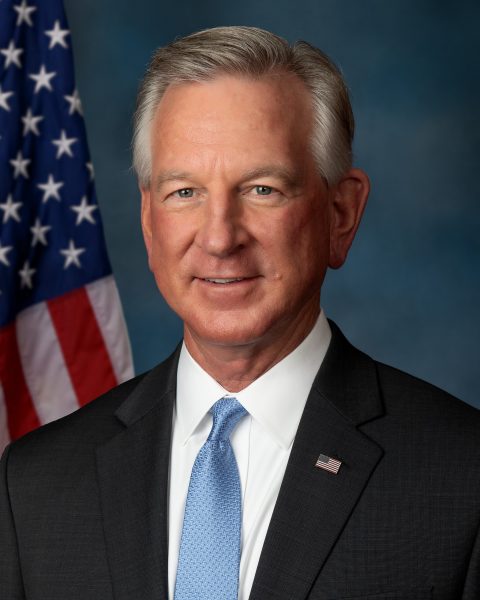
Official public-domain portrait of Senator Tommy Tuberville.
Senator · Alabama

Tommy Tuberville

Tuberville's scorecard is less about one perfect stock pick and more about scale. The public record complaint says nearly 130 trades were disclosed late, including names tied to the federal COVID-19 response while he sat on HELP.

Joint accountNearly 130 tradesLate-disclosure complaintHELP Committee
Trades cited
~130

The July 2021 complaint says Tuberville made nearly 130 stock trades from January to May 2021.

Complaint range
$894K-$3.56M

The same filing values those trades at approximately $894,000 to $3.56 million.

Committee context
HELP oversight

The complaint says Tuberville sat on HELP while the committee oversaw the federal COVID-19 response.

What The Record Shows

The complaint says the 2021 trading volume was huge and disclosed late

Campaign Legal Center's July 29, 2021 complaint says Tuberville made nearly 130 stock trades from January to May 2021, with total value ranging from about $894,000 to $3.56 million, but did not disclose them on time. The complaint says some of those trades were not reported until six months after they occurred. That is a filing-timeline problem the public can actually inspect.

COVID-response companies show up in the late-disclosed trading record

The same complaint says Tuberville sat on the Senate HELP Committee while late-disclosed trades involved Regeneron, Johnson & Johnson, and 3M, companies tied to the government's COVID-19 response. That is not proof of insider trading by itself. It is exactly the kind of committee-to-market overlap that keeps generating public suspicion.

Cheap late-filing rules are part of the story, not background noise

The Senate rulebook still uses a 30-day awareness window, a 45-day backstop, and a $200 penalty. When the public record can show nearly 130 trades and a complaint still has to fight for scrutiny, the problem is not just one senator. It is the structure Congress keeps preserving.

Recorded Scale Vs Late Fee
Complaint total trade range

Campaign Legal Center's July 29, 2021 complaint says Tuberville's January-to-May 2021 trading totaled roughly $894,000 to $3.56 million.

Up to $3.56M
ONEQ sale bracket

The complaint's attached PTR shows a January 4, 2021 sale of ONEQ bracketed at $100,001 to $250,000.

Up to $250K
Occidental purchase bracket

That same attached PTR shows a February 16, 2021 purchase of Occidental Petroleum bracketed at $15,001 to $50,000.

Up to $50K
Senate late filing fee

The Senate ethics rulebook still anchors late filing enforcement around a $200 penalty.

$200
Method

How To Read This Page

These cards are built to survive inspection. The claims stay attached to filing IDs, complaint exhibits, official member pages, and the actual House and Senate rules instead of drifting into vibes.

Reading Rule

Evidence First

These scorecards start with official House periodic transaction reports, the Senate disclosure portal, ethics rulebooks, complaint exhibits, and official member pages. The video transcripts pointed us to names. The cards are built from documents.

Reading Rule

No Prosecutor Cosplay

We are not calling every ugly trade a prosecutable crime. The public problem is larger than that. Congress still permits a structure that keeps producing suspicion, outrage, and conflict-of-interest signals.

Reading Rule

Household Loopholes Count

Family accounts matter. The public record uses markers like `SP` for spouse, `DC` for dependent child, and joint-account ownership in Senate filings. Congress knows that matters too, which is why current reform bills write spouses and dependents directly into the text.

Latest From This File

Linked reporting for Political Grift

Stories stay in the main feed, but they should also land back on the issue file they belong to. This desk currently has 1 linked story.

Publishing Logic

The Desk Holds The File

Use the story feed for the running report. Use the issue file to keep the source trail, the framing, and the latest linked coverage in one place.

Open the full story feed.
Last standards review: March 31, 2026