Right now, the public record still shows an active sale, not a published winner
As of April 7, 2026, Idaho's official state-land-for-sale page still lists the Driggs 160 as an active auction with a $5 million reserve. The page gives the parcel details and routes buyers to Bottles Real Estate Auctions, but it does not itself publish a winner on the listing I reviewed.
The rumor phase and the proof phase are different. Until a deed or equivalent closing paper is recorded, the clean answer to 'who bought it' is still 'watch the records.'
The first document that really matters is the deed
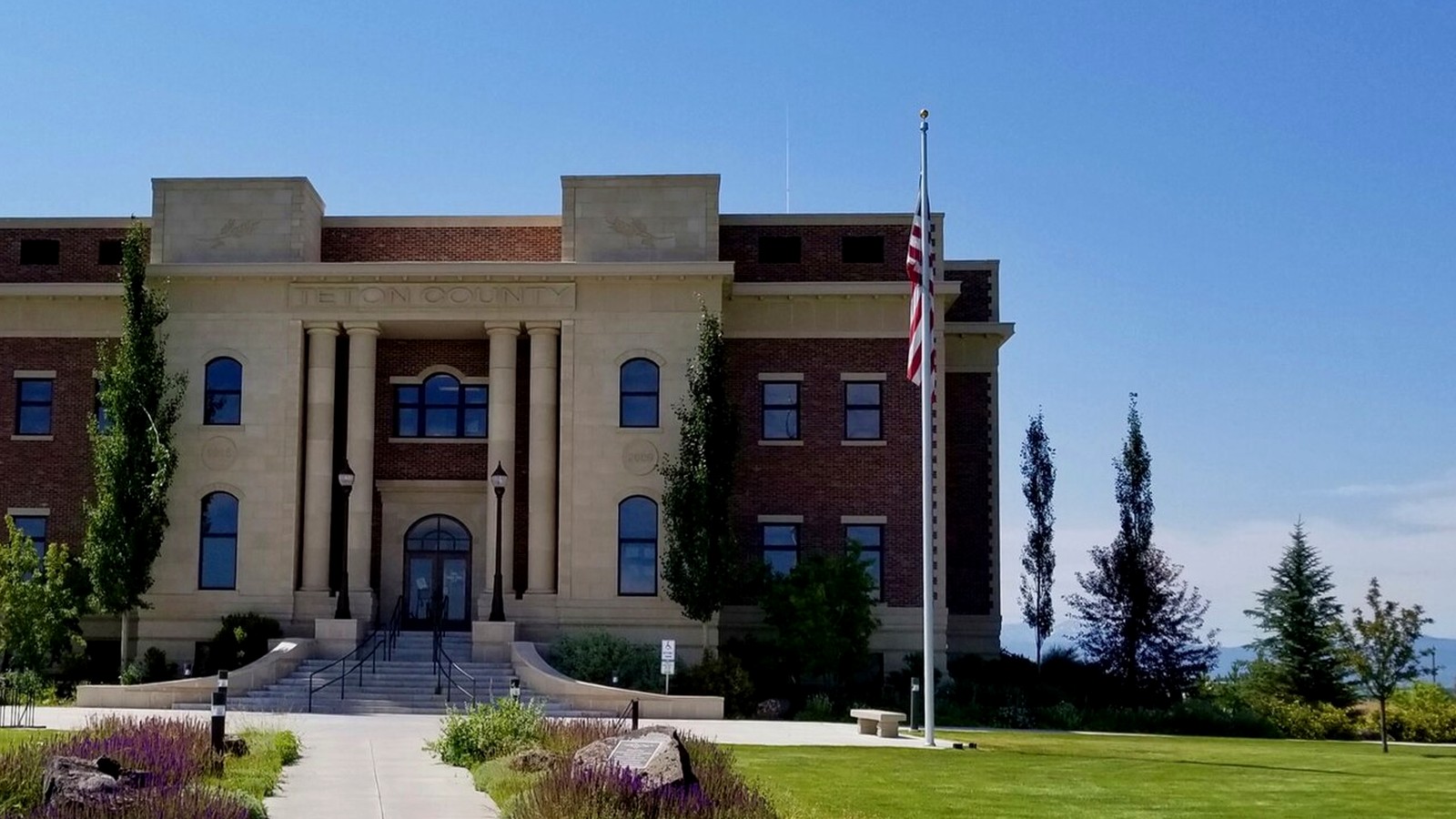
The official Teton County recorded-documents portal is the place to watch next. Once a sale closes, that is where the buyer name, vesting style, legal description, and associated transfer documents should surface.
The winning bidder at an auction and the final vesting name on the deed are not always the same thing. If title lands in an LLC instead of an individual name, the deed becomes the first clue rather than the final answer.
If the deed lands in an LLC, the second stop is the Idaho business record
Once a deed name appears, the Idaho Secretary of State business search is the next public check. That is where you can test whether the buyer is an old ranch entity, a fresh shell, a manager-run holding company, or something with a registered agent that overlaps with known local players.
After the auction, the entity questions are concrete: formation date, manager, registered agent, mailing address, and any overlap with people already named in the land file.
Comparable IDL-Bottles auctions show what the paper trail can look like
A comparable 2024 Idaho Department of Lands auction package hosted on the Bottles site includes a title commitment, purchase-sale agreement, auction catalogue, and a stated 30-to-60-day closing window with possible extension. Those are the kinds of documents and lag periods these sales can generate.
People often expect the identity story to be settled on auction day. In reality, the clearer title story can emerge after closing documents, title paperwork, and entity records all line up.
Auction day is only the start of the paper trail
Auction marketing can create the illusion that the identity question is settled the moment the hammer drops. In real estate, especially when wealthy buyers use holding companies, the meaningful public answer often arrives later, when title work, vesting, and any follow-on transfer documents are recorded.
Local rumor can move ahead of filings. The checkable sequence is county recorder documents, business records, and then name matching against already documented actors in the same land file.
The first transfer after closing may matter as much as the first buyer
The public-record red flags are simple: a deed into a brand-new entity, a manager or registered agent tied to known Tull-linked structures, or a fast secondary transfer after the original closing.
The real accountability question after the auction is whether the land can still be traced to a real beneficiary through recorded title, business filings, and any quick reshuffling after closing.
Sources & records
Reviewed by Standards Review. Updated April 14, 2026.
- Idaho State Land For Sale - Driggs 160 Listing
Official Idaho Department of Lands sale page listing the Driggs 160 reserve price, location, acreage, and auction contact routing.
- Teton County Recorded Documents Search
Official Teton County recorded-document portal where the eventual deed or other transfer instrument should appear after a completed closing.
- Idaho Secretary of State Business Search
Official Idaho business-entity search for checking whether the recorded buyer name belongs to a newly formed LLC, long-running ranch entity, or another affiliate.
- Bottles Auction Example - 2074 Payette Drive
Comparable Idaho Department of Lands / Bottles auction page showing the kind of public package that can accompany these deals, including title commitment, purchase-sale agreement, and a 30-60 day closing window.
- Bottles Real Estate Auctions - About
Firm page identifying Jacob Bottles and Mark Bottles as principals attached to the auction side of the transaction pipeline.