The withdrawal was not a symbolic gesture
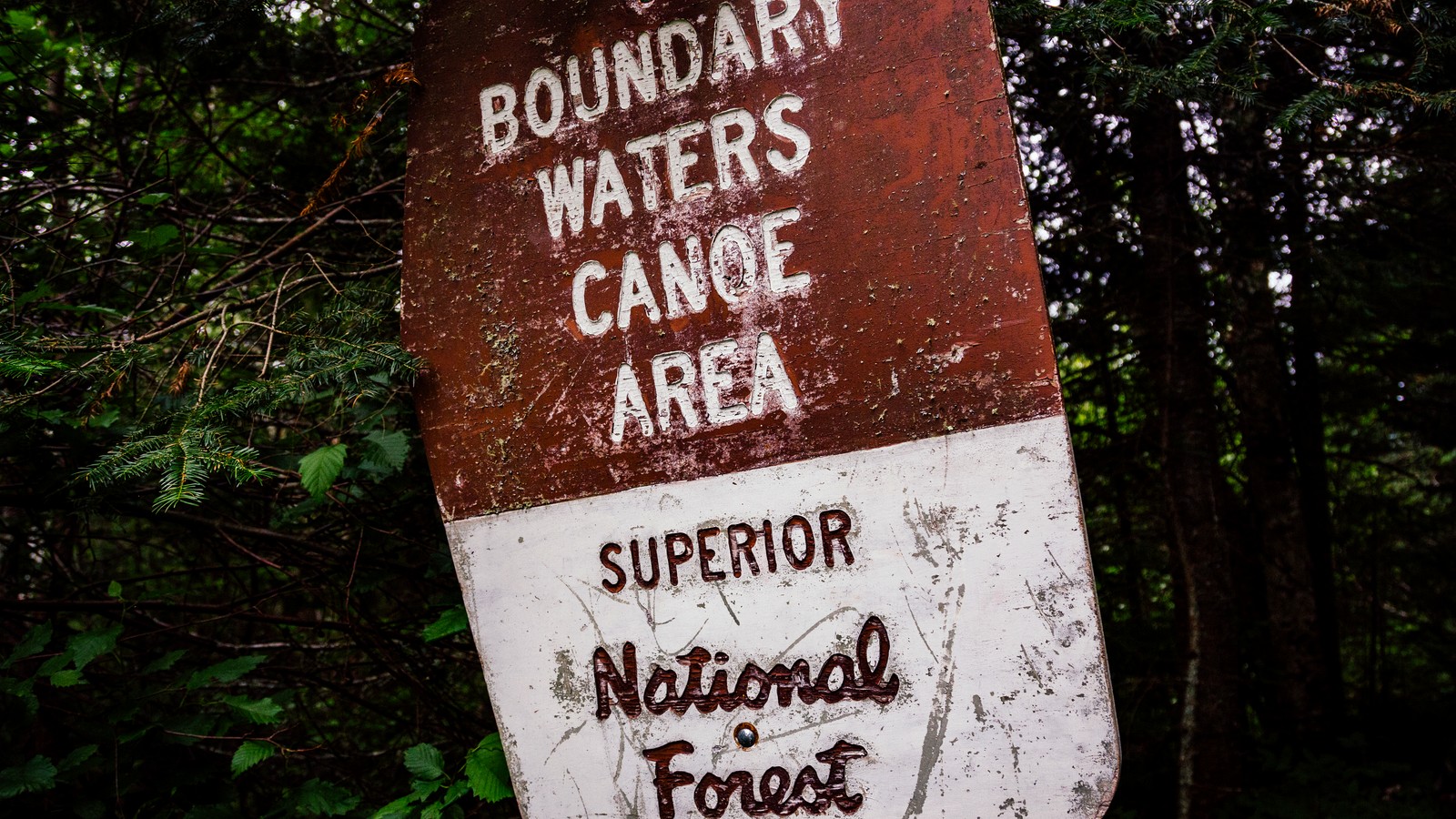
In 2023, Public Land Order 7917 withdrew about 225,504 acres in the Superior National Forest from mineral and geothermal leasing for 20 years. The Bureau of Land Management says that decision followed a review shaped by about 225,000 public comments, virtual meetings, and Tribal consultations.
The withdrawal followed a high-visibility public process with notice, comment, consultation, and a formal federal order.
The rollback lane is faster than the process it targets
Congress.gov says the House passed H.J.Res. 140 on January 21, 2026 by a vote of 214 to 208, and the resolution was received in the Senate on January 26, 2026. As of March 31, 2026, the official status still shows it as having passed the House and been sent to the Senate.
A public-land order created through formal review is now being targeted through a faster rollback vehicle in Congress.
Twin Metals is offering a classic extraction bargain
Twin Metals says its project would bring more than 750 direct full-time jobs and 1,500 spinoff jobs to northeast Minnesota. The same company says it is a wholly owned subsidiary of Antofagasta PLC and that the proposed mine would sit about nine miles southeast of Ely.
Those claims are the political sales pitch in plain English: jobs, mineral value, and regional economic activity in exchange for reopening a fight over protected public land.
The land already supports a different public economy
The Boundary Waters is not empty land. Federal agencies describe it as a place that draws more than 150,000 visitors a year and anchors a recreation economy around one of the most protected landscapes in the country.
The land already has public uses, ecological value, and an existing recreation economy. The fight is over whether those uses remain decisive when mineral wealth is underneath them.
The larger fight is over who gets the final say over public land
When protected public land sits on top of valuable minerals, the key question becomes whether a finished public process is durable or merely provisional until enough extraction pressure returns.
The Boundary Waters file extends beyond one project sponsor. If a 20-year withdrawal built through heavy public participation can be pushed back into play almost immediately through congressional action, then the precedent is broader than northeastern Minnesota.
Sources & records
Reviewed by Standards Review. Updated April 13, 2026.
- BLM Boundary Waters Withdrawal Release
Official 2023 Interior release for the withdrawal acreage, public-comment volume, and recreation context.
- BLM Withdrawals Program
Official withdrawals program page showing Public Land Order 7917 in the federal withdrawals system.
- Congress.gov H.J.Res.140 Actions
Official legislative status page for the Congressional Review Act resolution targeting Public Land Order 7917.
- Superior National Forest Permit And Visitor Use Report
Forest Service permit and visitor-use reporting for Boundary Waters access and use patterns.
- Twin Metals Project Overview
Company page for project location, ownership, and claimed jobs.