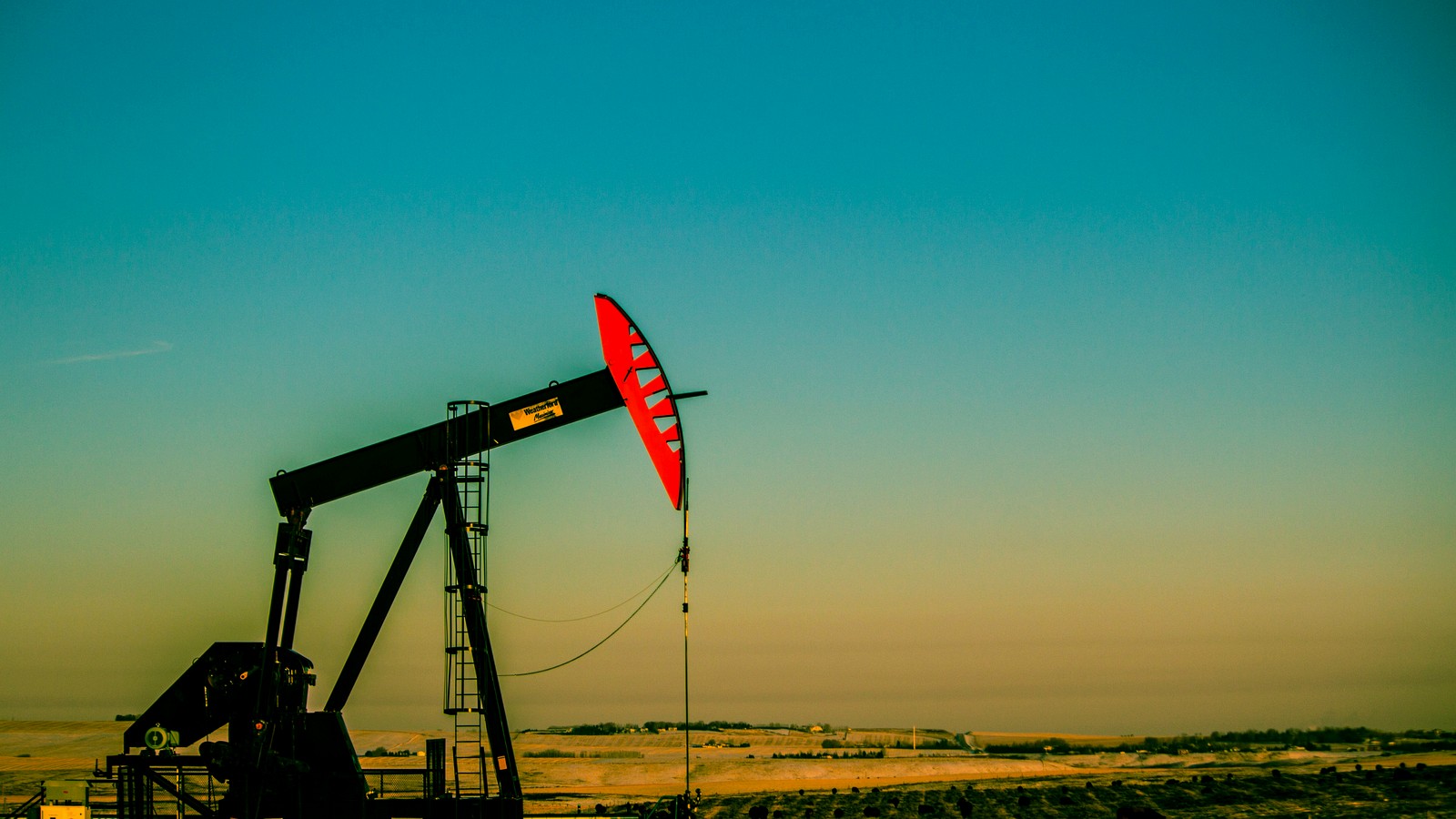
The oil relationship is already structural
The U.S. Energy Information Administration says Canada had 163 billion barrels of proved oil reserves as of January 2024 and supplied 60 percent of U.S. Crude oil imports in 2023.
EIA also says 92 percent of Canada's crude oil exports went to the United States in 2023.
Gas and electricity put Canada inside the U.S. energy system
EIA says Canada supplied 99.9 percent of U.S. Natural gas imports in 2023.
EIA also identifies Canada as the world's top electricity exporter to the United States.
The dependence runs both ways
The EIA crude export number shows Canada's dependence on the U.S. Market.
The EIA import numbers show U.S. Dependence on Canadian supply in crude oil and natural gas.
Critical-mineral strategy is already being organized at national scale
Canada's updated critical minerals page lists 34 critical minerals and metals tied to batteries, semiconductors, defence applications, telecommunications, and advanced manufacturing. A March 2026 federal release says Canada produces over 60 minerals and metals overall and already produces or has the potential to produce all 34 minerals on its critical list.
The federal progress update says Canada had 56 active mines producing critical minerals, 31 processing facilities, and 171 advanced critical-mineral projects as of March 2025. The supply-chain buildout is already being organized at national scale.
Potash shows what concentrated dependence looks like in practice
The USGS methodology behind the 2025 U.S. Critical-minerals list says about 90 percent of U.S. Net potash imports came from Canada in 2023. The document explicitly says potash's economic risk to the United States is principally a reflection of U.S. Dependency on Canada.
Potash is a fertilizer input. The USGS dependency line puts an agricultural supply-chain issue inside the same Canada-U.S. Resource file as oil and gas.
The next fight is over infrastructure, processing, and project conversion
The same EIA brief says Canada's producers still faced transportation bottlenecks and that export pipelines had operated at full capacity.
Canada's critical-minerals progress update puts processing facilities and advanced projects alongside active mines, making infrastructure and conversion capacity part of the supply record.
Sources & records
Reviewed by Standards Review. Updated April 13, 2026.
- EIA Country Analysis Brief: Canada
Official U.S. Energy Information Administration overview used here for Canada's oil reserves, oil and gas production, crude-export routing, and Canada's 60 percent share of U.S. Crude imports plus 99.9 percent share of U.S. Natural gas imports in 2023.
- Canada's Critical Minerals Page
Official Government of Canada page listing the 34 critical minerals and tying them to batteries, semiconductors, defence applications, and other strategic manufacturing uses.
- Canada's Critical Minerals Strategy Progress Update
Official progress update used for current project counts, mine and processing-facility counts, and the government's own framing of critical minerals as part of sovereignty and economic resilience.
- Canada secures 30 new critical minerals partnerships
Official March 2026 Natural Resources Canada release used for the statement that Canada produces over 60 minerals and metals and already produces or could produce all 34 minerals on its critical list.
- USGS methodology for the 2025 U.S. critical minerals list
USGS methodology document used here for the finding that about 90 percent of U.S. Net potash imports came from Canada in 2023 and that this concentration drives U.S. Vulnerability.