Pew measured the church-vote bloc
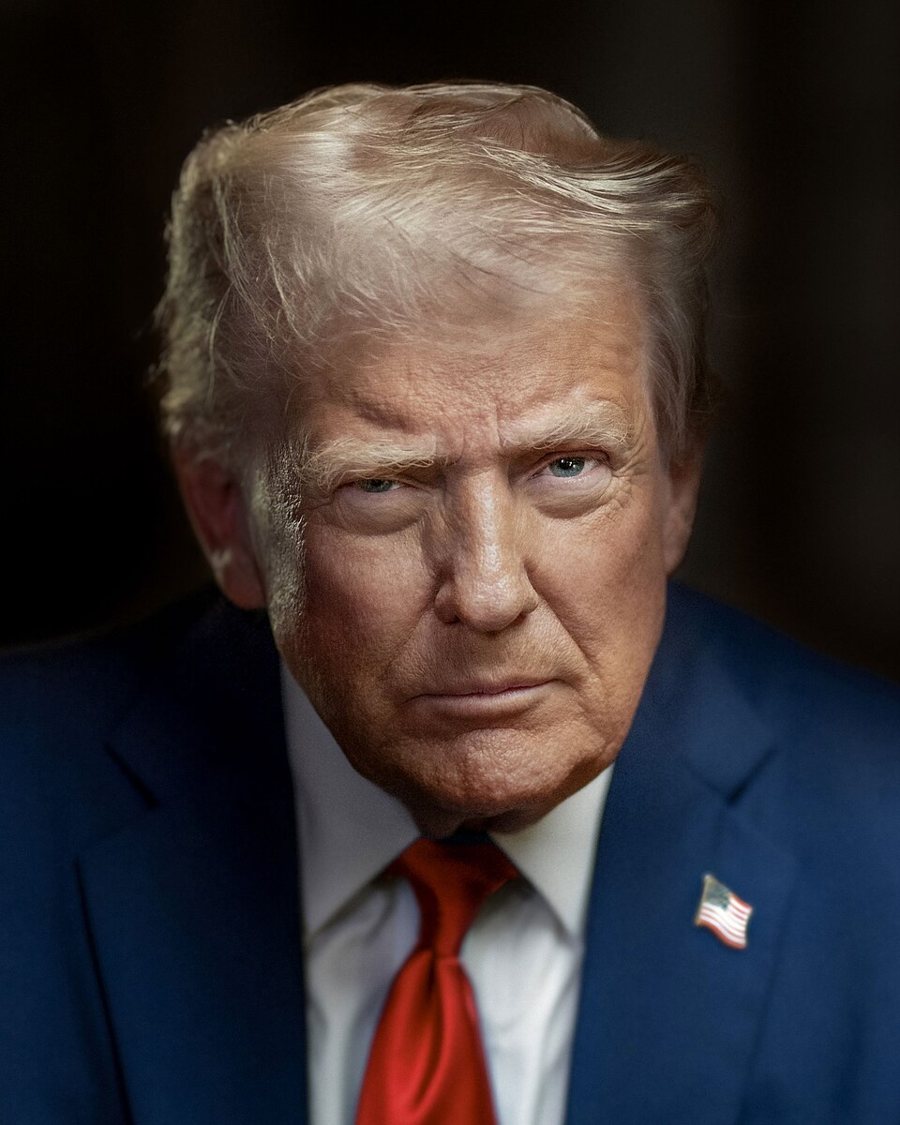
Pew says 81 percent of white evangelical Protestants voted for Trump in 2024.
Pew also says 64 percent of voters who attend religious services monthly or more often backed Trump.
AP-NORC measured the spiritual-credibility gap
AP-NORC found that 14 percent of U.S. Adults said the word 'Christian' describes Trump or Harris very or extremely well. Among white evangelicals, around 2 in 10 said that about Trump.
The same polling environment leaves two facts side by side: overwhelming white evangelical support at the ballot box and limited willingness to describe Trump as strongly Christian in personal terms.
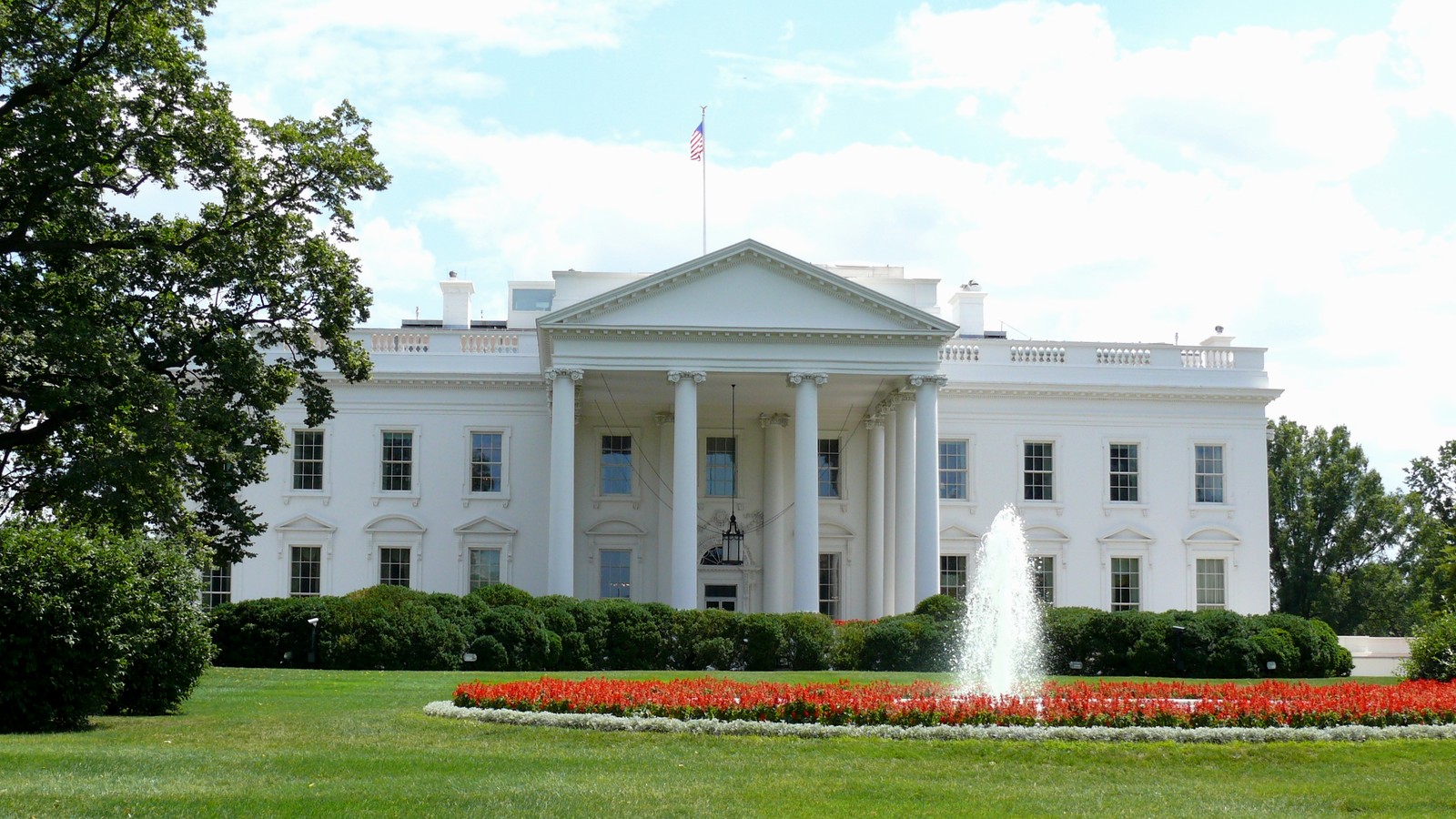
Feb. 7: Trump created the White House Faith Office
Trump created the White House Faith Office by executive order on February 7, 2025.
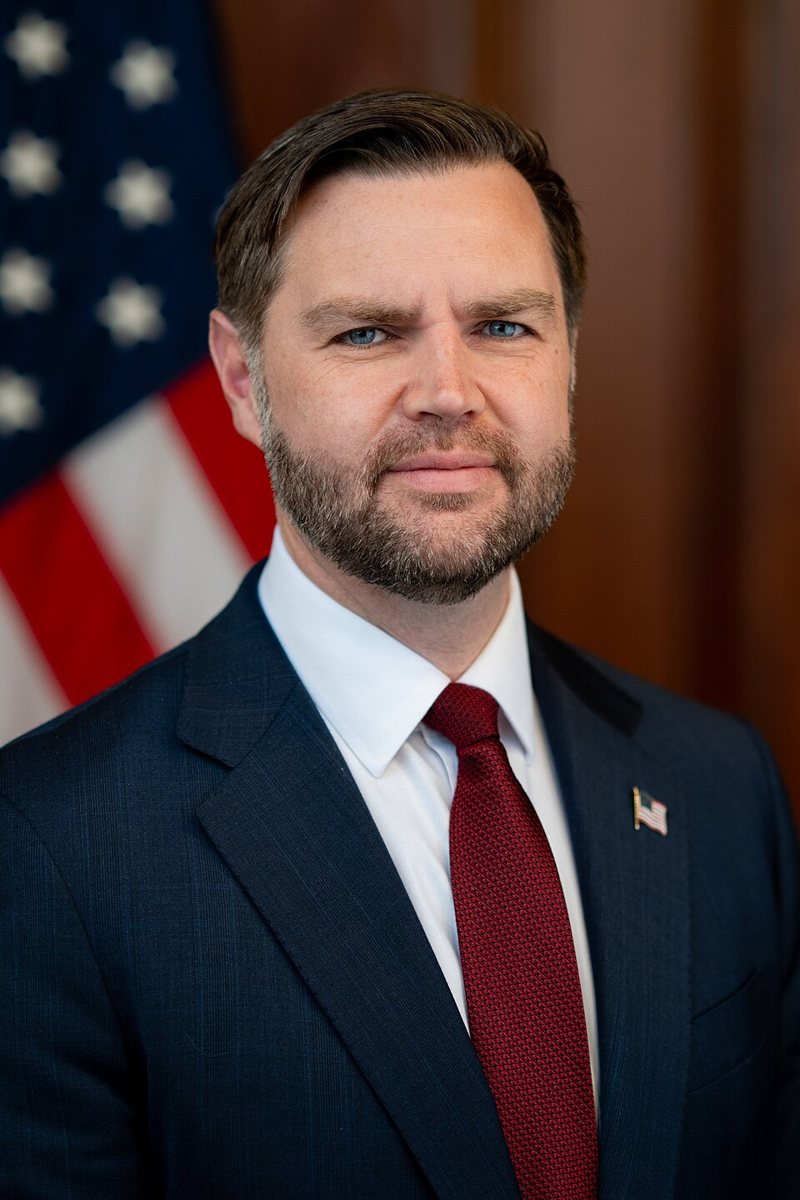
The White House later announced faith-office roles for Paula White-Cain, Jennifer Korn, and Jackson Lane, who had served as deputy director of faith outreach for the Trump-Vance 2024 campaign.
The Prayer Breakfast carried a policy announcement
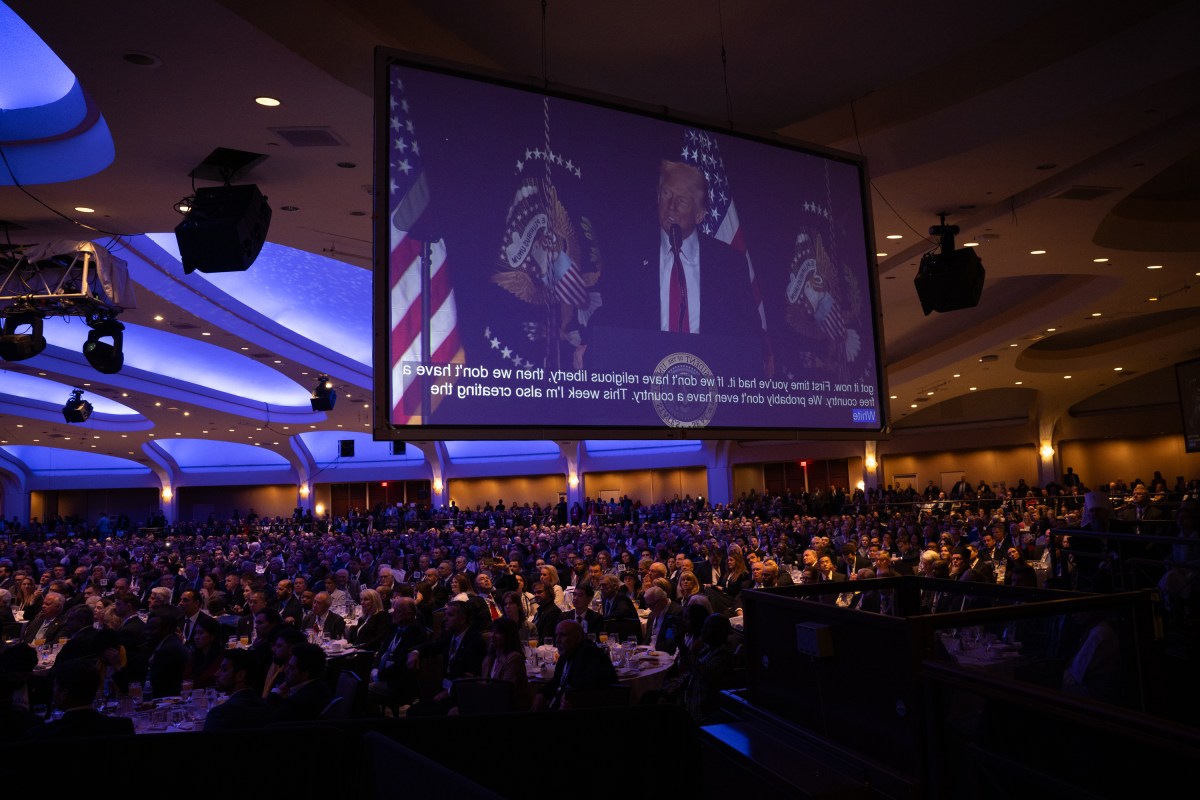
AP reported that Trump used the 2025 National Prayer Breakfast to announce a task force aimed at eradicating what he called anti-Christian bias in government.
The same AP report said clergy were already warning that immigration enforcement actions had chilled sanctuary and worship spaces.
Bishop Budde asked for mercy; Trump demanded an apology
AP reported that Bishop Mariann Budde asked Trump during a prayer service to show mercy to migrants and LGBTQ+ people.
AP reported that Trump responded by demanding an apology and attacking Budde.
Sources & records
Reviewed by Standards Review. Updated April 13, 2026.
- Pew On Voting Patterns In The 2024 Election
Used for the 81 percent white evangelical vote share for Trump in 2024.
- Pew Validated Voters Report
Used for the finding that 64 percent of voters attending religious services monthly or more often voted for Trump in 2024.
- AP-NORC Poll On Whether Trump Seems Christian
Used for the support-versus-authenticity gap: 14 percent of U.S. Adults said 'Christian' described Trump or Harris very or extremely well, with about 2 in 10 white evangelicals saying that about Trump.
- Pew On Religious Values And The 2024 Election
Used for the finding that 43 percent of Trump supporters said government policies should support religious values, 69 percent wanted the Bible to have at least some influence on U.S. Laws, and 59 percent said the federal government should promote Christian moral values.
- White House Faith Office Executive Order
Official source for the creation of the White House Faith Office.
- White House Faith Office Appointments
Used for the campaign-to-government pipeline inside the Faith Office, including Jackson Lane moving from Trump-Vance campaign faith outreach into the White House.
- AP On The Anti-Christian Bias Task Force
Used for the Prayer Breakfast rollout of the anti-Christian bias task force and AP's reporting that clergy were alarmed by policy moves affecting worship spaces.
- AP On Bishop Budde's Mercy Plea And Trump's Response
Used for the mercy contrast: a bishop asked Trump to show mercy to migrants and LGBTQ+ people, and Trump publicly demanded an apology instead.
- AP On White Evangelical Support And Christian Nationalism Concerns
Used for AP VoteCast's 'about 8 in 10' white evangelical support figure and for expert concerns that political rhetoric and policy are making dissenting Christians and non-Christians feel like outsiders.