Too much of the humanitarian system is still being forced through one gate
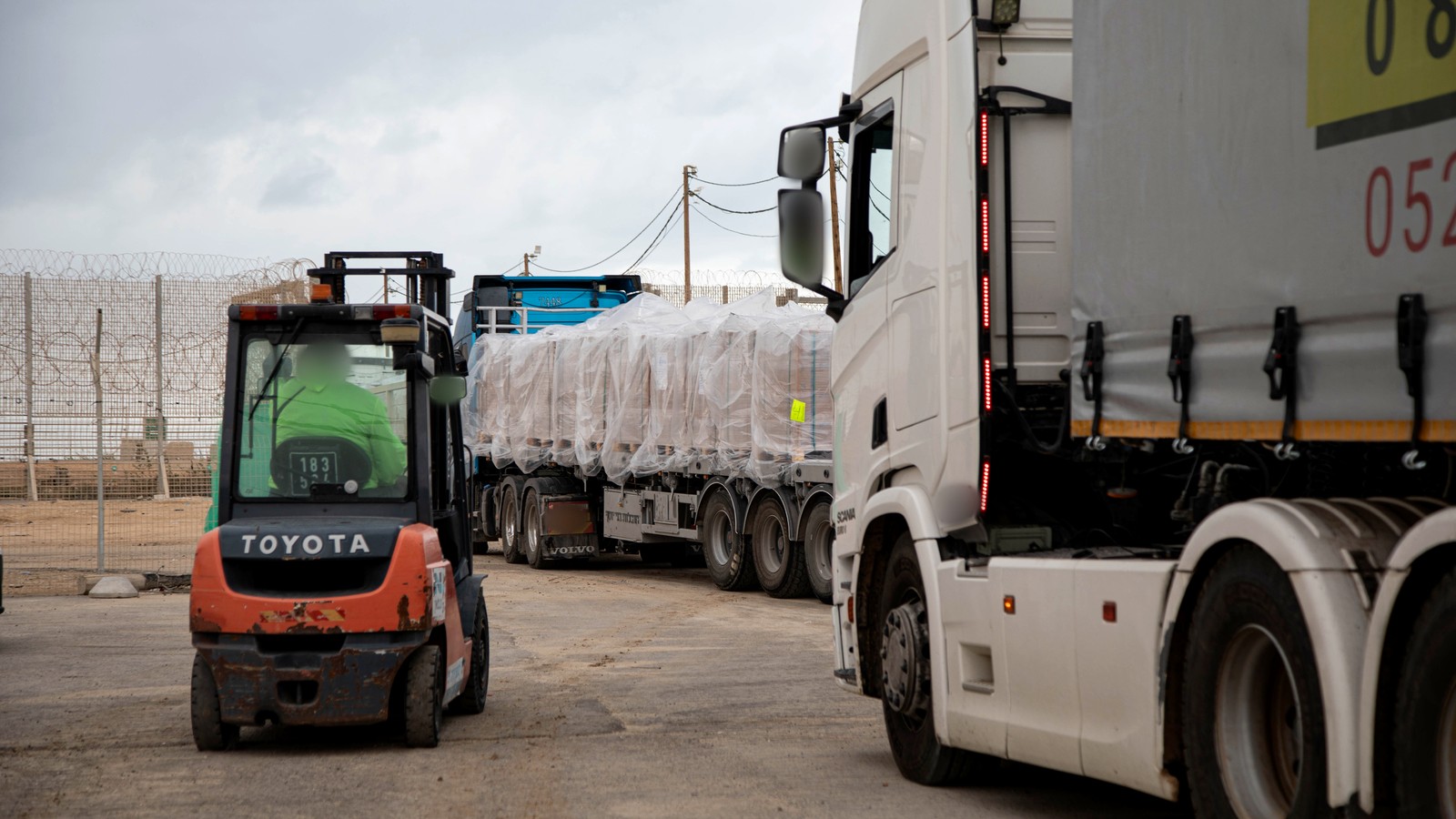
OCHA says aid workers had relied solely on Kerem Shalom for stock replenishment for five consecutive weeks by early April 2026 because Zikim Crossing in the north remained closed. That forced supplies intended for northern Gaza to be rerouted through the south over longer, slower, and costlier routes inside the strip.
Bottlenecks also turn on whether the network is diversified enough to move aid where it is actually needed.
The flow of humanitarian cargo was lower than it had been in January
OCHA says approximately 47,300 pallets of UN-administered humanitarian cargo were offloaded in March 2026. That was down from 54,500 in February and 58,200 in January. The same report says fuel entry for humanitarian operations also fell between 26 and 31 March, when just over 836,000 litres of diesel entered through UNOPS.
The aid system cannot be measured only in speeches about access. The pallet trend shows a real narrowing from the start of the year.
The choke point is whether the system can breathe
A humanitarian corridor can look active on paper while still being too narrow to support the population it is supposed to serve. The logistics network has to be wide enough, fast enough, and stable enough to sustain daily life.
On the numbers here, it was not. Too much still depended on too few crossings, too little volume was moving compared with need, and too many basic services remained downstream of the same bottleneck.
Medical evacuations remain far behind demand
OCHA says that after the Rafah Crossing reopened on 19 March, WHO and partners were able to evacuate 82 patients and 160 caregivers in six operations by 31 March. WHO's 2026 Health Emergency Appeal, however, says more than 18,500 injured and chronically ill patients still need treatment unavailable in Gaza and are awaiting evacuation.
Dozens got out in late March, but the backlog remains in the tens of thousands.
Water and hospital capacity are still far below what normal life requires
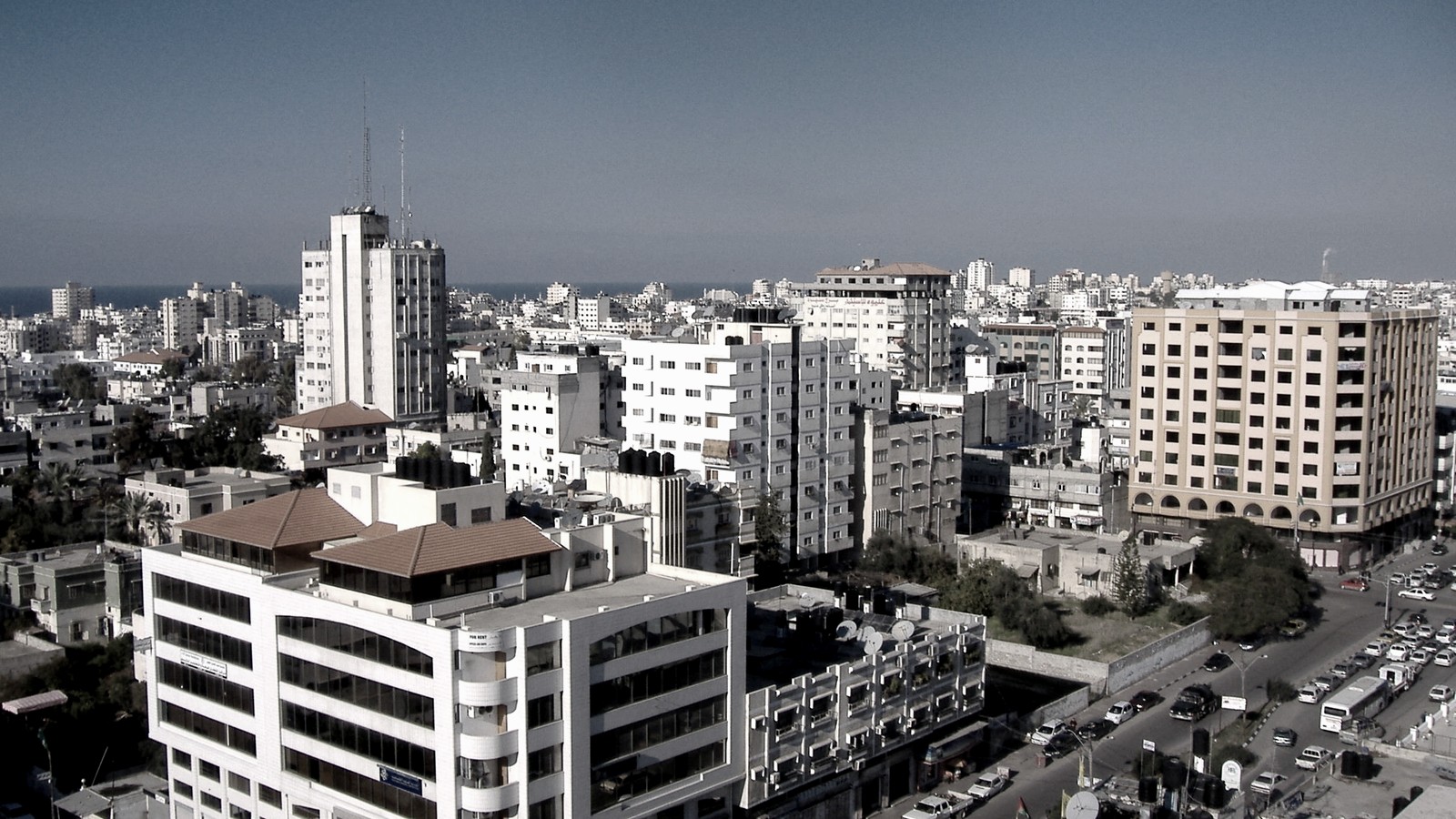
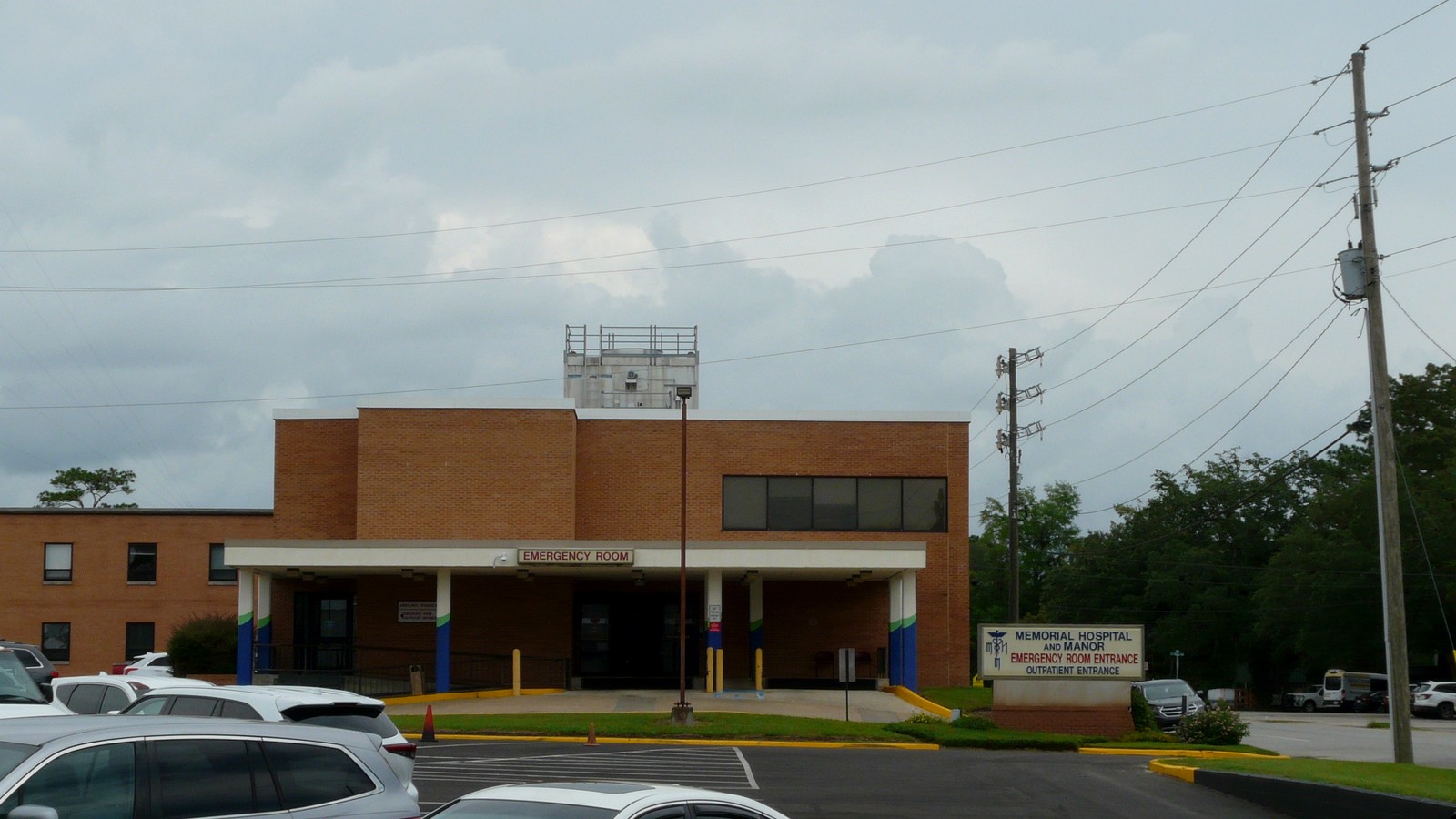
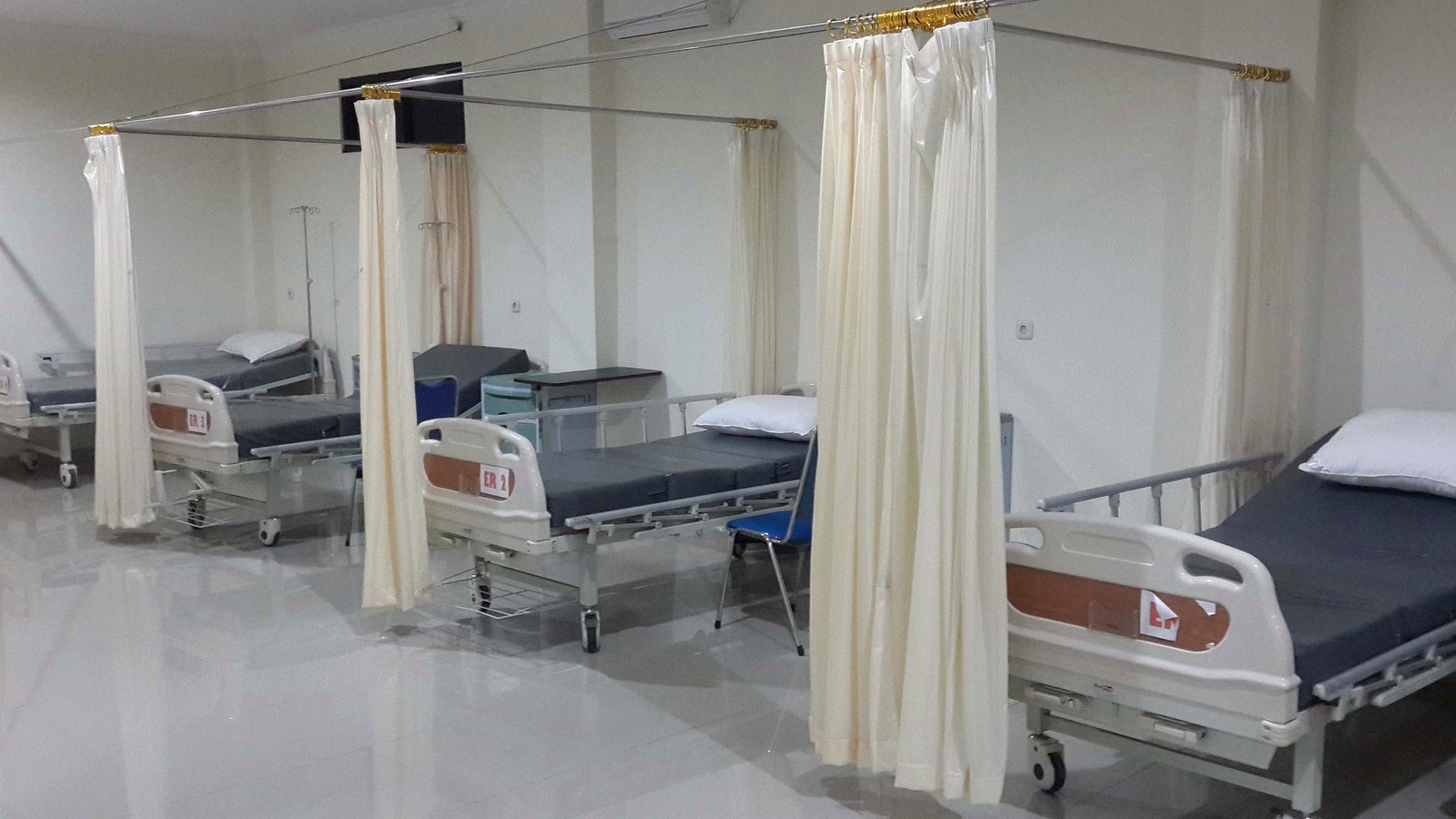
OCHA says the 25 March strike on the electricity line serving the Southern Gaza Desalination Plant slashed output from about 16,000 cubic metres of drinking water a day to roughly 2,500, leaving around 500,000 people with reduced access. UNICEF says no hospital in Gaza is fully functional and only 18 of 36 are partially functional.
Aid bottlenecks do not stop at the crossing. They show up in whether clean water is being produced, whether surgical equipment clears in time, and whether there is even a fully functioning hospital left to send people to.
Sources & records
Reviewed by Standards Review. Updated April 13, 2026.
- OCHA Humanitarian Situation Report | 2 April 2026
Primary current source used for Kerem Shalom reliance, Zikim closure, monthly pallet volumes, fuel and cooking-gas shortages, medical evacuations, Rafah bottlenecks, and the desalination-line damage that reduced water access for 500,000 people.
- UNICEF State Of Palestine Humanitarian Situation Update
Used for UNICEF's current hospital-functionality figures and for the broader child-health and access context.
- WHO Health Emergency Appeal 2026
Used for the 18,500 patients awaiting care unavailable in Gaza and for WHO's system-wide description of hospital and primary-care functionality.