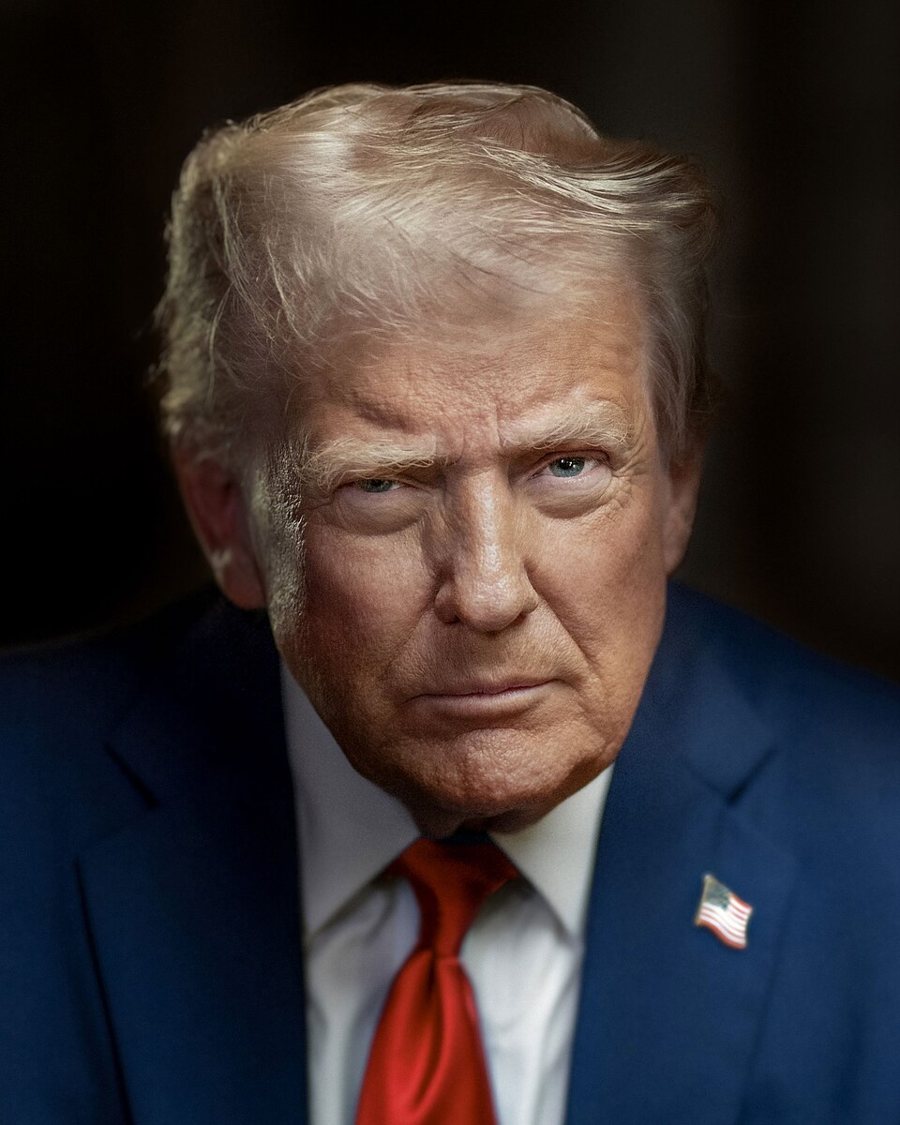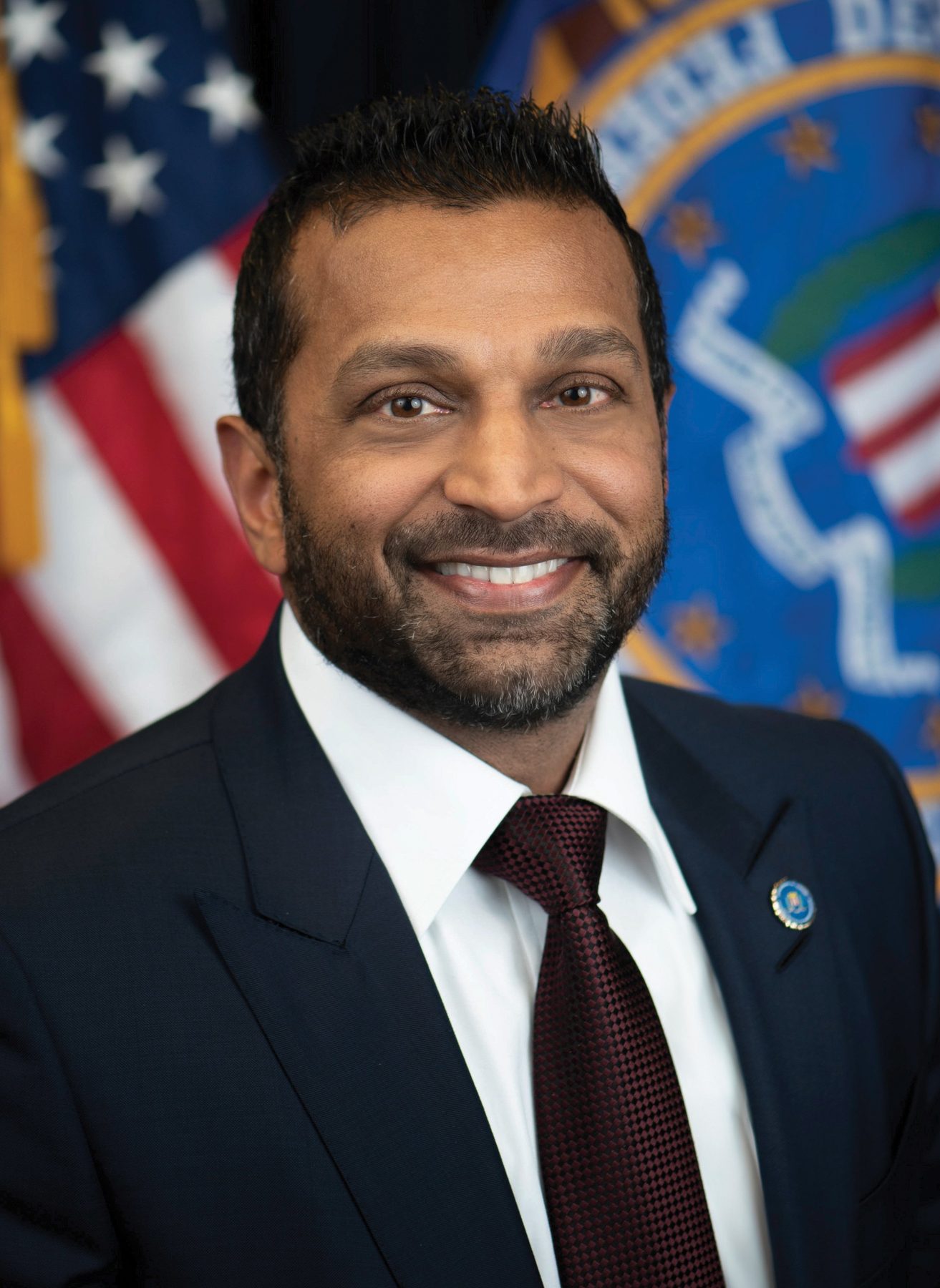
Vance took office in the constitutional role that certifies elections
The White House page for Vance anchors the basic fact: he is vice president, the office that presides over the electoral-count certification Congress conducts after a presidential race. His public handling of the 2020 election question matters more than a routine campaign dodge.
A random senator free to play footsie with conspiracy language from the cheap seats. It is the official whose office exists partly to uphold the transfer-of-power machinery.
He still would not say Trump lost in 2020
During the October 2024 vice-presidential debate, AP reported that Vance refused to say Trump lost the 2020 election. Instead he said he believed there were serious problems in that contest and turned away from a direct answer.
The question was not trivial or abstract. Mike Pence's refusal to break with the Constitution on Jan. 6 was one of the key brakes on Trump's effort to cling to power. Vance entered the vice presidency after signaling that he would not even give the electorate a clear yes on whether Trump had lost.
He moved from a two-year senator to Trump's floor enforcer
AP reported in January 2025 that Vance had served only two years in the Senate before returning there in a new role: helping boost Trump's most contentious picks through confirmation.
The vice presidency became a message-discipline and nominee-protection office.
The office mattered precisely because Pence had already shown what a constitutional brake looks like
The Vance story cannot be separated from the fact that the vice presidency had just been stress-tested in the most dramatic possible way. Mike Pence became important on Jan. 6 because he refused to use the office to help Trump cling to power.
Vance's evasions on the 2020 result were not empty campaign rhetoric. They raised the question of whether the same office would still function as a guardrail if Trump or the movement around him asked for more the next time.
The Hegseth vote made the loyalty test visible
AP reported that Vance cast the tie-breaking vote to confirm Pete Hegseth after a 50-50 Senate split. That was a concrete demonstration of what his usefulness to Trump looked like once he reached office.
By that point the question around Hegseth was not whether he had broad, easy support. It was whether the administration could still force him through despite the controversy. Vance's answer was yes.
By late 2025 the movement was already treating him like an heir
AP reported in December 2025 that conservative organizers and Trump-world power brokers were already lining Vance up for a possible 2028 run. The same report described him as well-positioned to inherit a movement built more around loyalty to Trump than a coherent, stable ideology.
A politician who becomes valuable by refusing the 2020 truth test and delivering on contentious confirmations is also auditioning to inherit the apparatus.
Sources & records
Reviewed by Standards Review. Updated April 13, 2026.
- White House JD Vance Page
Official White House page used to anchor Vance's current role as vice president in Trump's second administration.
- AP VP Debate Takeaways
Used for Vance's refusal to say Trump lost the 2020 election and for the reminder that the vice presidency is the office that certifies that outcome in Congress.
- AP On Vance Boosting Trump's Contentious Picks
Used for Vance's unusual transition role helping steer Trump's most contentious nominees through the Senate and for AP's note that he had served only two years there before becoming vice president.
- AP On Hegseth Tie-Breaking Vote
Used for the January 24, 2025 tie-breaking vote Vance cast to confirm Pete Hegseth despite allegations over drinking and behavior.
- AP On 2028 Movement Positioning
Used for the December 2025 reporting that conservative power centers were already positioning Vance as Trump's heir inside a movement built more around loyalty to Trump than a stable governing doctrine.