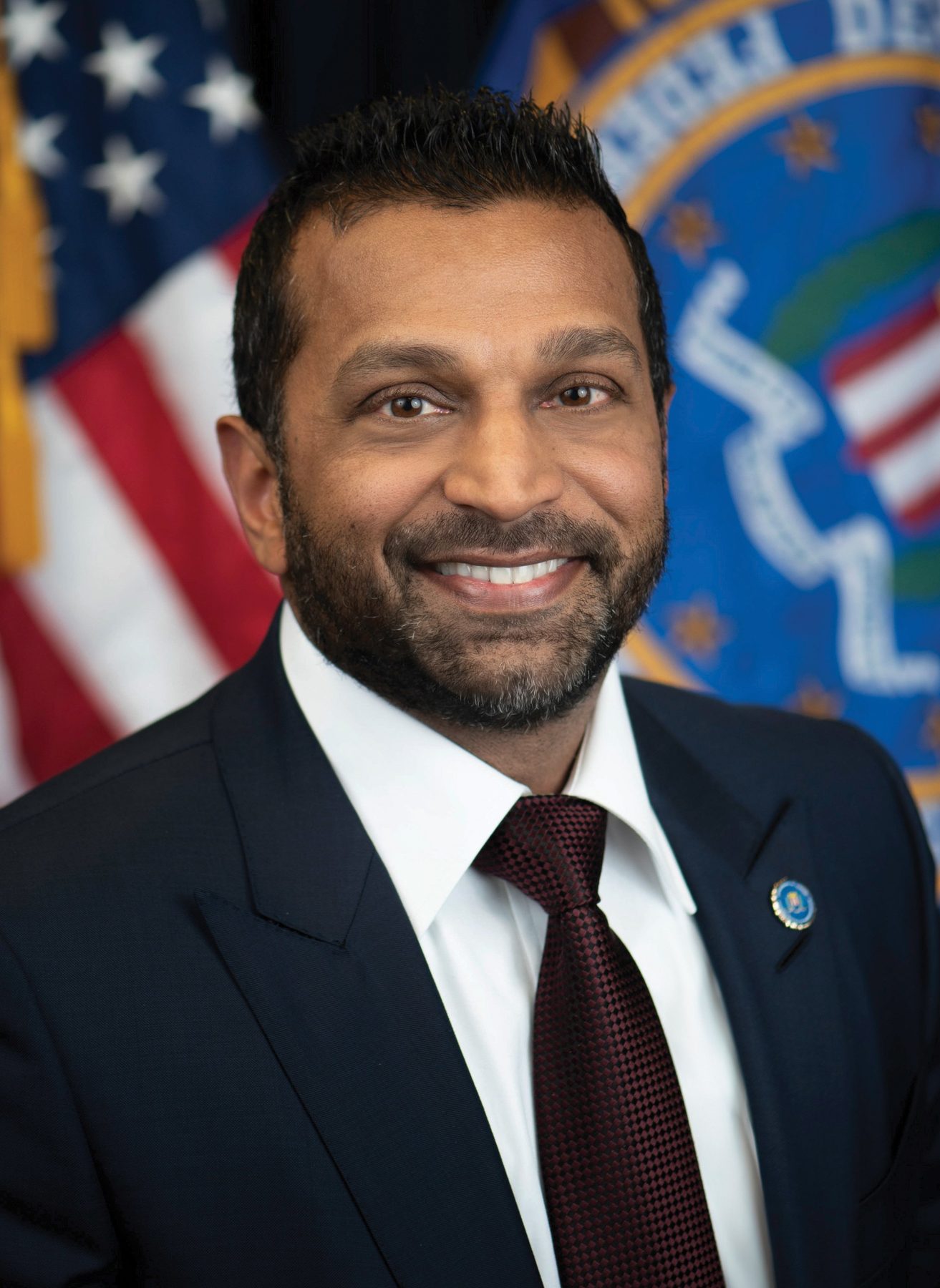
He did not arrive as a neutral bureau lifer
The FBI's own biography presents Patel as a former public defender, national security prosecutor, House Intelligence aide, National Security Council official, deputy director of national intelligence, and Pentagon chief of staff. That is a political-national-security resume, not a career FBI path.
The Senate Judiciary Committee's written questions also put an even more important fact on the record: Patel served as a surrogate for Trump's reelection campaign from November 2022 to November 2024. That mattered because senators explicitly reminded him that modern FBI directors are expected to be apolitical, and he arrived with very recent campaign baggage instead.
The warning signs were in his own words before confirmation
Before Patel was confirmed, AP reviewed more than 100 podcasts he hosted or appeared on and said he had denigrated Trump-related investigations, criticized the FBI, and expressed sympathy for Jan. 6 defendants.
Senators cited Patel's book appendix identifying 60 people as members of the 'Executive Branch Deep State,' his hearing claim that the appendix was just 'a glossary in the back,' and his prior statement that 'we're gonna come after the people in the media' and 'figure out' whether it would be criminal or civil.
His confirmation answers created a measurable test
In the same written answers, Patel made commitments that sounded conventional. He said FBI personnel decisions should be based on performance and adherence to law, that no one would be terminated for case assignments, and that agents assigned to investigate Trump did not become 'Deep State' simply by doing their jobs.
At his swearing-in ceremony, the FBI says Patel also promised 'accountability within the FBI and outside of the FBI' through constitutional oversight.
The first major personnel fight already pointed toward loyalty screening
AP reported on January 31, 2025 that the administration demanded the names of FBI agents involved in Jan. 6 investigations so they could possibly be ousted, describing the move as part of a broader effort to purge agencies of career employees seen as insufficiently loyal. When AP checked again in February and March 2026, the picture had worsened, not stabilized.
Patel's first major personnel controversy at FBI centered on identifying agents tied to a politically explosive investigation for possible removal.
The purge pattern kept colliding with the promises Patel had made
AP reported on February 25, 2026 that additional agents who had worked on Trump's classified-documents case were fired and said the broader Patel purge had already pushed out dozens of employees tied either to Trump investigations or to perceptions that they were out of alignment with the administration's agenda. That is exactly the kind of personnel pattern Patel's written answers had implied should not happen.
The Swalwell file episode widened the politicization concern
The same theme showed up in AP's March 30, 2026 report on Patel's reported effort to prepare parts of Rep. Eric Swalwell's old FBI file for release even though the matter resulted in no criminal charges. Swalwell's lawyers called it a transparent attempt to smear him and warned that releasing the file would violate law and longstanding Justice Department practice.
Patel did not publicly explain that episode on the record AP reviewed, and the FBI told the Washington Post only that it prepares documents for many reasons. The episode sits beside the purge pattern in the politicization file.
Sources & records
Reviewed by Standards Review. Updated April 13, 2026.
- Congress.gov Nomination Page
Official nomination record used for Patel's confirmation date, the 51-49 Senate vote, and the basic appointment chronology.
- FBI Director Patel Biography
Official FBI biography used for Patel's pre-bureau chronology, including his House Intelligence, White House, DNI, and Defense Department roles.
- FBI Swearing-In Story
Official FBI article used for Patel's February 21, 2025 swearing-in date and his public pledge of accountability at the start of his tenure.
- Senate Judiciary Written Questions For The Record
Official Senate document used for the record that senators questioned Patel about his book's list of 60 people, his 'glossary' defense, his threat to 'come after' media figures, and his promise that no FBI employee would be terminated for case assignments.
- AP On Patel's Podcast Persona
Used for AP's review of Patel's pre-confirmation media record, including repeated attacks on Trump investigations, criticism of the FBI, and rhetoric about targeting perceived conspirators.
- AP On Early Trump-Era DOJ/FBI Purge Moves
Used for the early 2025 move to identify and potentially oust FBI personnel involved in Jan. 6 matters, which AP described as part of a push to purge employees seen as insufficiently loyal.
- AP On Additional Firings Under Patel
Used for the current March 31, 2026 context that Patel's purge had already ousted dozens of agents over the prior year for Trump-related investigative work or alleged insufficient loyalty.
- AP On Swalwell File Release Fight
Used for the March 30, 2026 dispute over Patel's reported effort to prepare the non-charge Swalwell investigative file for release, which Swalwell's lawyers called a smear attempt.