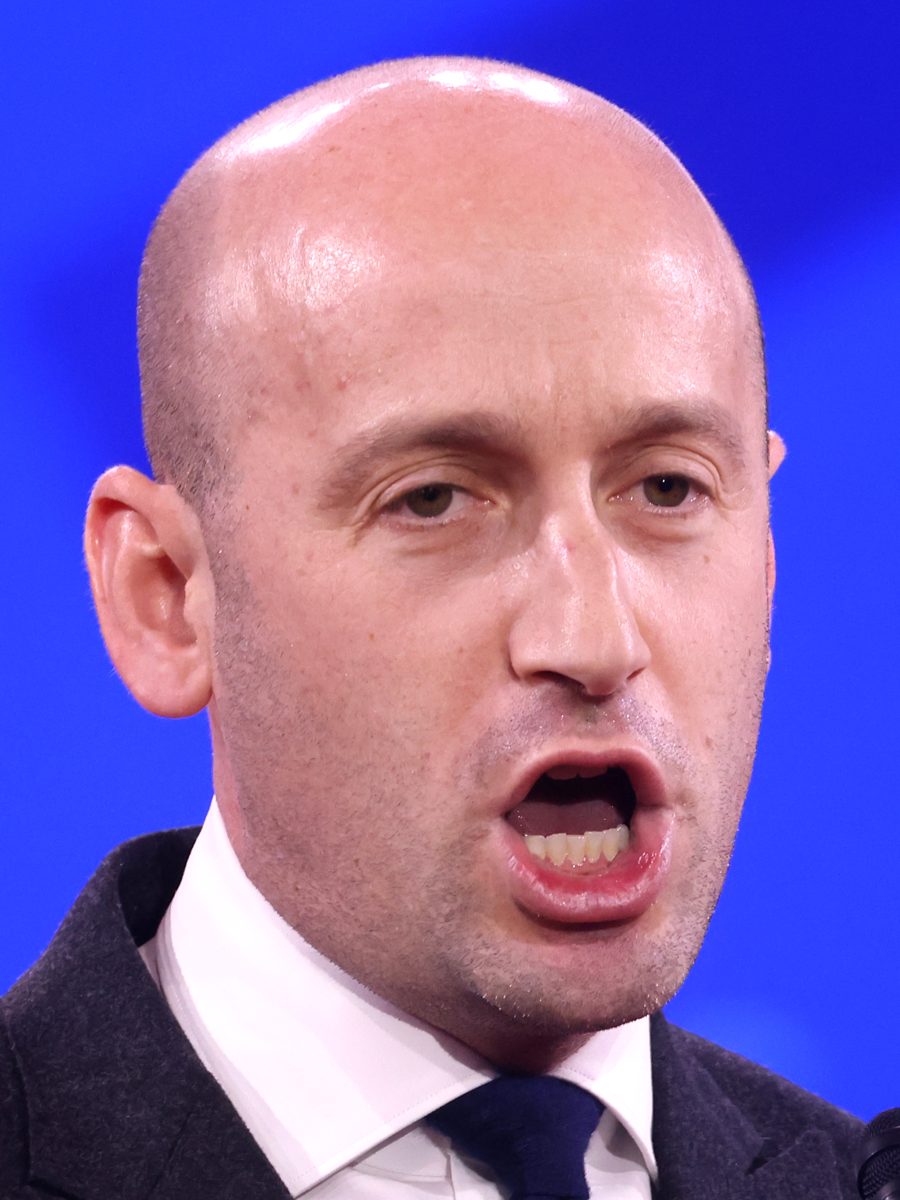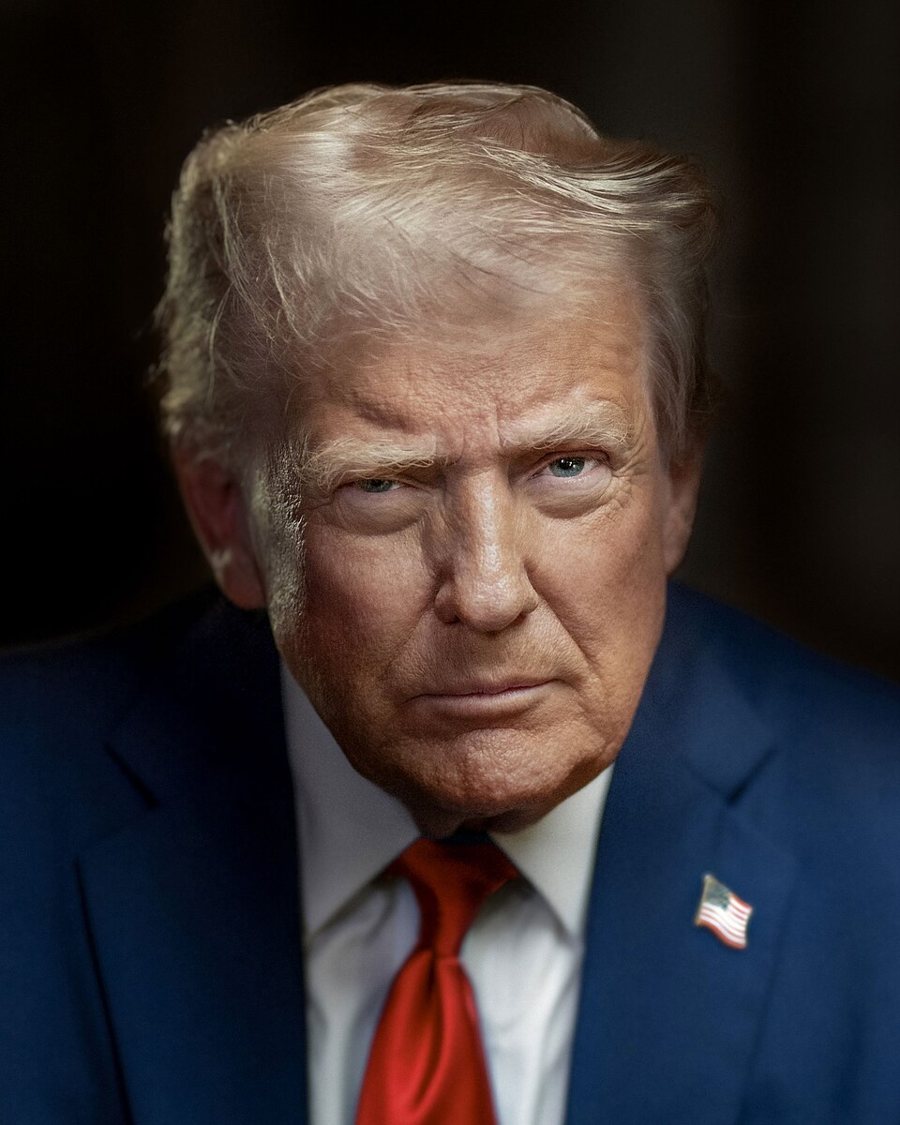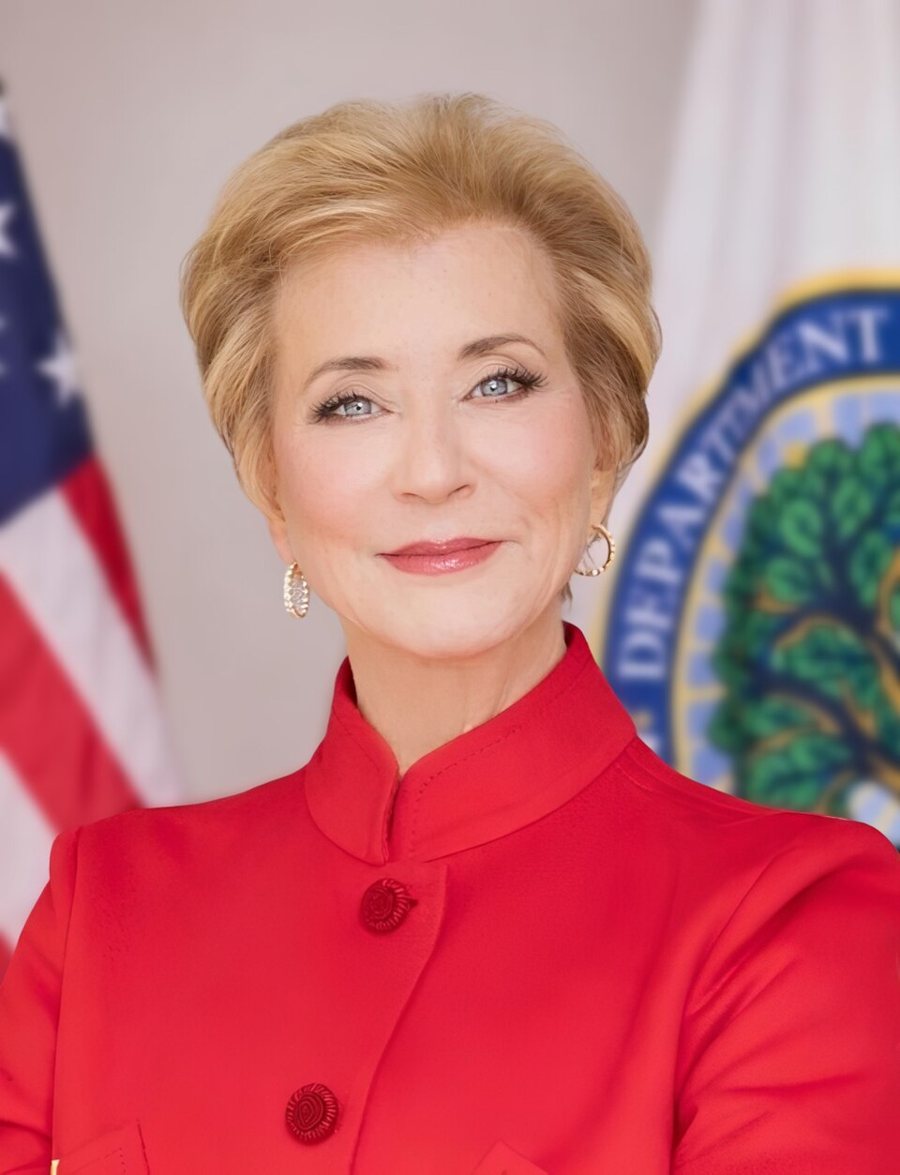
McMahon arrived as a political operator, not an education lifer
The White House cabinet page anchors McMahon's current office, but it also highlights the deeper point: she did not rise through schools, universities, or classroom policy work. She arrived in education after a long public life built around business, fundraising, and Republican politics.
She was chosen for a department created to protect educational access, civil rights, and federal support while Trump was calling for the agency to be reduced or abolished.
The mission was structural weakening, not ordinary agency reform
McMahon was handed the department while Trump openly pushed the idea that it should be drastically reduced or abolished.
Layoffs, freezes, and court fights formed a campaign to make the department less capable of doing its job.
The layoff wave made the mission obvious
AP reported in May 2025 that the administration's March layoff plan fired about 1,300 employees and reduced the department to roughly half the size it had when Trump took office. That is not a minor trimming around the edges. It is a deliberate institutional gutting.
And the courts saw enough risk in that approach to intervene. AP reported that a federal judge blocked the administration from carrying out the broader dismantling effort at that stage and said the changes likely crossed legal lines.
The same pattern showed up in grants and teacher-training money
AP reported that the administration moved to cut upwards of $600 million in teacher-training grants before a judge temporarily blocked the plan. The attack reached beyond headcount and into programs tied to the public-school pipeline itself.
Then AP reported the administration withheld more than $6 billion in education grants in July 2025 before later releasing only part of the money under bipartisan pressure. Communities, schools, and programs were left hanging while Washington tested how much it could choke off.
The real effect was to make core education functions less certain
Even when a court blocks a headline-grabbing move, the damage does not disappear. A department cut to the bone, forced into repeated legal fights, and used as a political target becomes slower, less predictable, and easier for the White House to sideline in practice.
As the department becomes less stable, states, schools, and families face less predictable federal capacity.
Even blocked moves still changed the department
One of the most revealing parts of McMahon's record is that losing in court did not make the strategy disappear. AP later reported that the Supreme Court allowed the administration's layoff plan to move forward again in July 2025, reopening the path for deeper cuts.
The project was persistent: make the department smaller, weaker, and more uncertain until its core functions are easier to ignore or move elsewhere.
Sources & records
Reviewed by Standards Review. Updated April 13, 2026.
- White House Cabinet Page
Official White House page used to anchor McMahon's role as education secretary in Trump's second administration.
- AP On Judge Blocking Dismantling And Layoffs
Used for the May 2025 injunction against dismantling the department, the roughly 1,300 layoffs, and the description of the workforce being cut roughly in half.
- AP On Teacher-Training Cuts
Used for the March 2025 ruling blocking hundreds of millions in teacher-training cuts and for the finding that the administration had likely exceeded its authority.
- AP On School Relief Freeze
Used for McMahon's move to accelerate the deadline for pandemic school-relief money and the judge's order forcing the department to unblock the funds.
- AP On Supreme Court Letting Layoffs Resume
Used for the July 2025 Supreme Court action that allowed Trump's and McMahon's downsizing plan to move forward again.
- AP On Releasing Some Withheld Education Grants
Used for the July 2025 withholding of more than $6 billion in education grants and the later release of only part of that money after bipartisan pressure.