Nov. 9, 2020: ODOE opened the exemption file
The Oregon Department of Energy page for the Port Westward Renewable Fuels Project says the department "received a Request for Site Certificate Exemption on November 9, 2020." The same timeline lists an "Incompleteness Determination and Request for Additional Information" on Dec. 7, 2020, NEXT's response on Feb. 26, 2021, a Notice of Filing on Apr. 6, 2022, and an Updated Request for Exemption on Apr. 18, 2022.
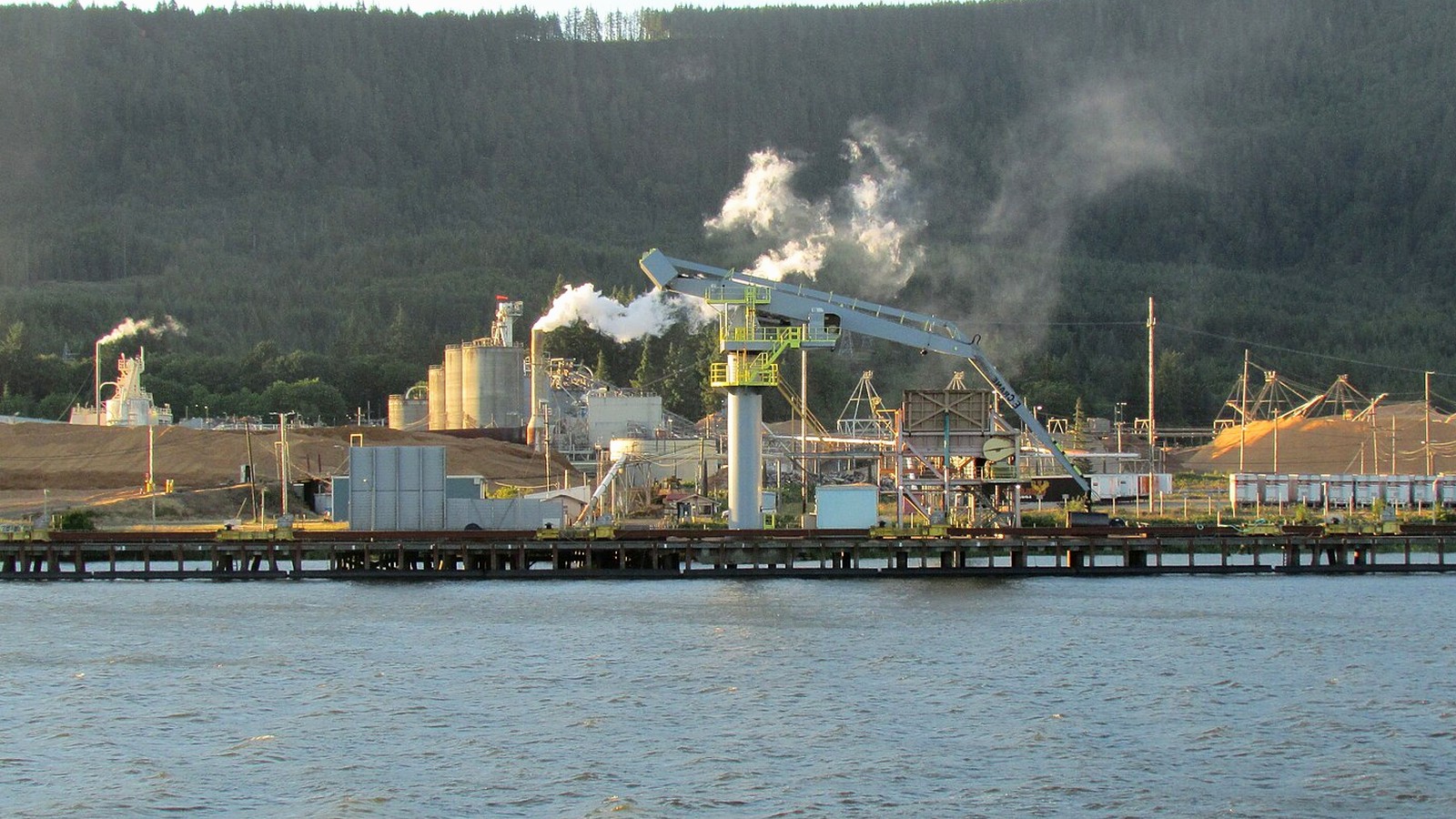
ODOE describes the project as a proposed renewable fuels production facility at Port Westward Industrial Park in Columbia County, capable of processing up to 50,000 barrels per day of renewable biomass feedstocks.
May 27, 2022: Marcia L. Grail signed the EFSC exemption order
The May 27, 2022 order identifies Marcia L. Grail as Chair of the Oregon Energy Facility Siting Council. At page 12, the order says the council found the proposed facility "is exempt from its jurisdiction pursuant to ORS 469.320(2)(f)."
At page 13, the same order says: "This exemption is limited to the scope of facilities described in the application for exemption as submitted by NEXT." The order also requires NEXT to file an annual report showing continued compliance with ORS 469.320(2)(f).
DEQ denied the 401 application twice before approving it
The Oregon Department of Environmental Quality project page says the agency "previously denied NEXT's application for a 401 certification without prejudice in 2021 and 2022 due to insufficient information to evaluate the permit application." DEQ says NEXT resubmitted the request in January 2024, starting the one-year Clean Water Act decision period.
DEQ says it approved NEXT's 401 Water Quality Certification on Jan. 7, 2025. The same page says NEXT still needs "two stormwater discharge permits" for the project to move forward.
Haley Teach kept the Oct. 8, 2024 hearing inside the 401 lane
DEQ says it held a virtual public hearing on Oct. 8, 2024 and a 50-day public comment period from Sept. 5, 2024 to Oct. 25, 2024. In the hearing deck, Haley Teach, identified as DEQ's "401 Program Coordinator," told attendees: "DEQ can only consider comments about the draft 401 Water Quality Certification."
The hearing materials list the purpose of the meeting as providing information about the draft 401 certification, answering questions, and receiving verbal public comment. The deck does not present the hearing as a site-wide review of rail, vessel, or full-project transport effects.
The Corps received a revised permit application on Feb. 27, 2023
The U.S. Army Corps of Engineers Portland District says NEXT "submitted a revised permit application to the Corps on February 27, 2023." The Corps page says the revised project "reduced the rail spur and reduced the area of wetland impact as compared to the project design presented during scoping."
On the same page, the Corps says the permit application requires Section 404 authorization and that the project "may significantly affect the quality of the human environment," triggering an environmental impact statement.
The Corps lists Fall 2026 for a Record of Decision
The Corps says the Draft EIS was published in the Federal Register on March 6, 2026 and that the public comment period ends on April 20, 2026. The same page says two virtual Draft EIS public comment meetings were held on April 2 and April 3, 2026.
The Corps page says it "will prepare a Record of Decision to document our decision on the permit application" and lists Fall 2026 as the projected completion date. The decision options listed by the Corps are "issue, issue with modifications, or deny a Department of the Army permit for the proposed project."
Sources & records
Reviewed by Standards Review. Updated April 14, 2026.
- ODOE project page and timeline
Official Oregon Energy timeline for the project's exemption request and 2022 approval path.
- ODOE exemption order
Official order describing the project components and the procedural steps that led to the 2022 exemption.
- Oregon DEQ project page
Official DEQ page summarizing the 2021 and 2022 401 denials, the 2024 resubmission, the January 7, 2025 approval, and the remaining stormwater permits.
- DEQ 2024 hearing notes
Official hearing materials laying out the public-engagement and 401-review sequence since 2021.
- NOAA NMFS biological opinion and EFH response
Official 2025 NOAA consultation record showing that federal fish-habitat review continued after the state exemption and before the Draft EIS decision point.
- USACE NEXT Renewable Fuels EIS page
Official Corps page summarizing the revised 2023 application, the March 2026 Draft EIS stage, and the pending summer 2026 Record of Decision.