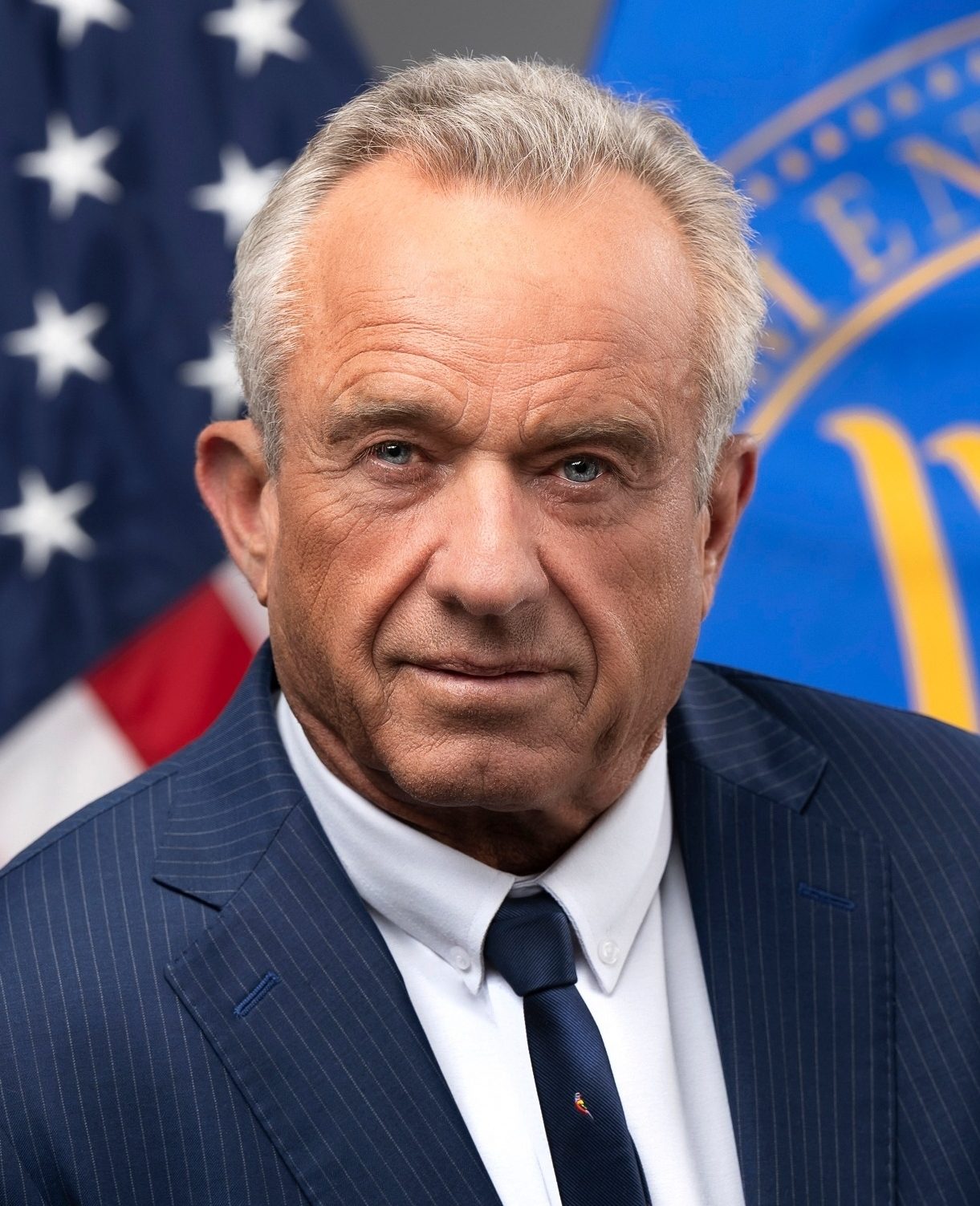
HHS put a vaccine activist in charge of the health agencies
HHS's own biography says Kennedy co-founded Children's Health Defense before becoming secretary.
The official swearing-in release says Kennedy took over the department that oversees the FDA, CDC, NIH, Medicare, and Medicaid.
His own ethics paperwork showed why conflict questions were unavoidable
Kennedy's amended ethics agreement says he had 10 percent contingency-fee arrangements tied to referred cases, had to recuse from Children's Health Defense matters for a year, and would assign certain payment rights to a non-dependent adult family member before taking office.
Kennedy entered HHS with active financial disentanglement problems and private legal-money structures close enough to federal health policy that ethics officials had to spell out a long set of guardrails in writing.
He made reassurance promises, then quickly moved toward breaking them
AP reported that Kennedy won over Sen. Bill Cassidy in part by promising not to change the childhood vaccine schedule. That assurance mattered because Cassidy had publicly worried that Kennedy would use the office to re-litigate settled vaccine science.
AP later reported that Kennedy said nothing would be off limits, including the childhood schedule itself.
The office gave him direct command over the institutions he had attacked
Children's Health Defense had made vaccine skepticism central to Kennedy's public identity before his appointment.
The HHS office then gave Kennedy authority over CDC vaccine recommendations, FDA oversight, NIH research, and federal health-program administration.
June 2025: Kennedy removed all 17 vaccine advisers
In June 2025, AP reported Kennedy removed every member of the CDC's Advisory Committee on Immunization Practices. Doctors' groups and public-health organizations said the move politicized a panel that had long set the gold standard for what providers recommend and what insurers cover.
The ACIP removal replaced criticism from outside the vaccine system with personnel control inside the vaccine system.
The department-wide shakeup also ran into the law
AP reported in March 2025 that Kennedy's HHS restructuring would cut 10,000 jobs and fold or eliminate major agencies, some of them created by Congress. The move also centralized procurement, HR, communications, and other functions under the secretary's department structure, increasing direct control from the top.
By July 1, 2025, AP reported a federal judge had halted those layoffs and said Kennedy's restructuring was likely unlawful.
The Samoa emails sharpened the truthfulness problem
AP reported in February 2026 that newly obtained emails undermined Kennedy's Senate testimony that his 2019 Samoa trip had 'nothing to do with vaccines.' The emails suggested his vaccine-safety concerns were central to the trip, and the report said at least one senator concluded the new records raised concern that Kennedy had lied to Congress.
AP says Samoan officials later concluded Kennedy's trip boosted anti-vaccine activists ahead of an outbreak that sickened thousands and killed 83 people, mostly young children.
Sources & records
Reviewed by Standards Review. Updated April 13, 2026.
- Congress.gov Nomination Record
Primary source for the nomination path and the final 52-48 Senate confirmation vote on February 13, 2025.
- HHS Biography Of Robert F. Kennedy Jr.
Official HHS biography used for Kennedy's public chronology and for the fact that HHS itself says he co-founded Children's Health Defense before becoming secretary.
- HHS Swearing-In Release
Official HHS press release used for the start of Kennedy's tenure and the scope of the agencies placed under his authority.
- OGE Amended Ethics Agreement
Primary ethics document used for Kennedy's Children's Health Defense recusal, his 10 percent contingency-fee arrangements, and the assignment of some payment rights to a non-dependent adult family member.
- AP On The Promise Not To Change The Childhood Schedule
Used for the post-confirmation clash between Kennedy's promise to Sen. Bill Cassidy not to change the childhood vaccine schedule and his later remarks that nothing would be off limits.
- AP On Ousting ACIP
Used for Kennedy's removal of all 17 ACIP members, the criticism from physicians and public health groups, and AP's description of Kennedy as one of the nation's leading anti-vaccine activists before taking office.
- AP On Kennedy's HHS Restructuring Plan
Used for the March 2025 plan to cut 10,000 jobs, centralize control inside HHS, and fold or eliminate agencies created by Congress.
- AP On Judge Halting HHS Layoffs
Used for the July 1, 2025 ruling that Kennedy's mass layoffs were likely unlawful and had to be halted.
- AP On Judge Blocking Kennedy's Vaccine Push
Used for the March 2026 ruling that Kennedy likely violated federal procedures when he reworked vaccine policy and revamping of the advisory process.
- AP On Samoa Emails Undermining Kennedy's Testimony
Used for the February 2026 reporting that newly obtained emails undercut Kennedy's Senate testimony about his 2019 Samoa trip and revived concern that he had misled Congress.