The February and April updates left the file unsettled
Utah County's own case-updates page says the disqualification fight was resolved on February 24, the court still had March 13 and April 17 hearings set to address public-access and camera issues, and the preliminary hearing remained scheduled for May 18-20.
The case was still arguing over who gets to see what, when the public gets to see it, and whether the defense has had enough time and material to challenge the state's version.
The public-access fight is still part of the story
AP reported on March 13 that Judge Tony Graf denied some efforts by the defense to restrict public access to court documents while still leaving open the possibility that portions of the April hearing could be closed. The same story says the judge was trying to balance the public's right to know against defense claims that heavy coverage could poison the jury pool.
FOX 13 separately reported that a previously closed hearing transcript was ordered released, but with security-related portions redacted. The transparency problem is not theoretical. The current 2026 record already contains a pattern of partial openness, partial closure, and arguments over how much of the file the public should be able to inspect.
The UVU security-plan fight keeps one major accountability lane blocked
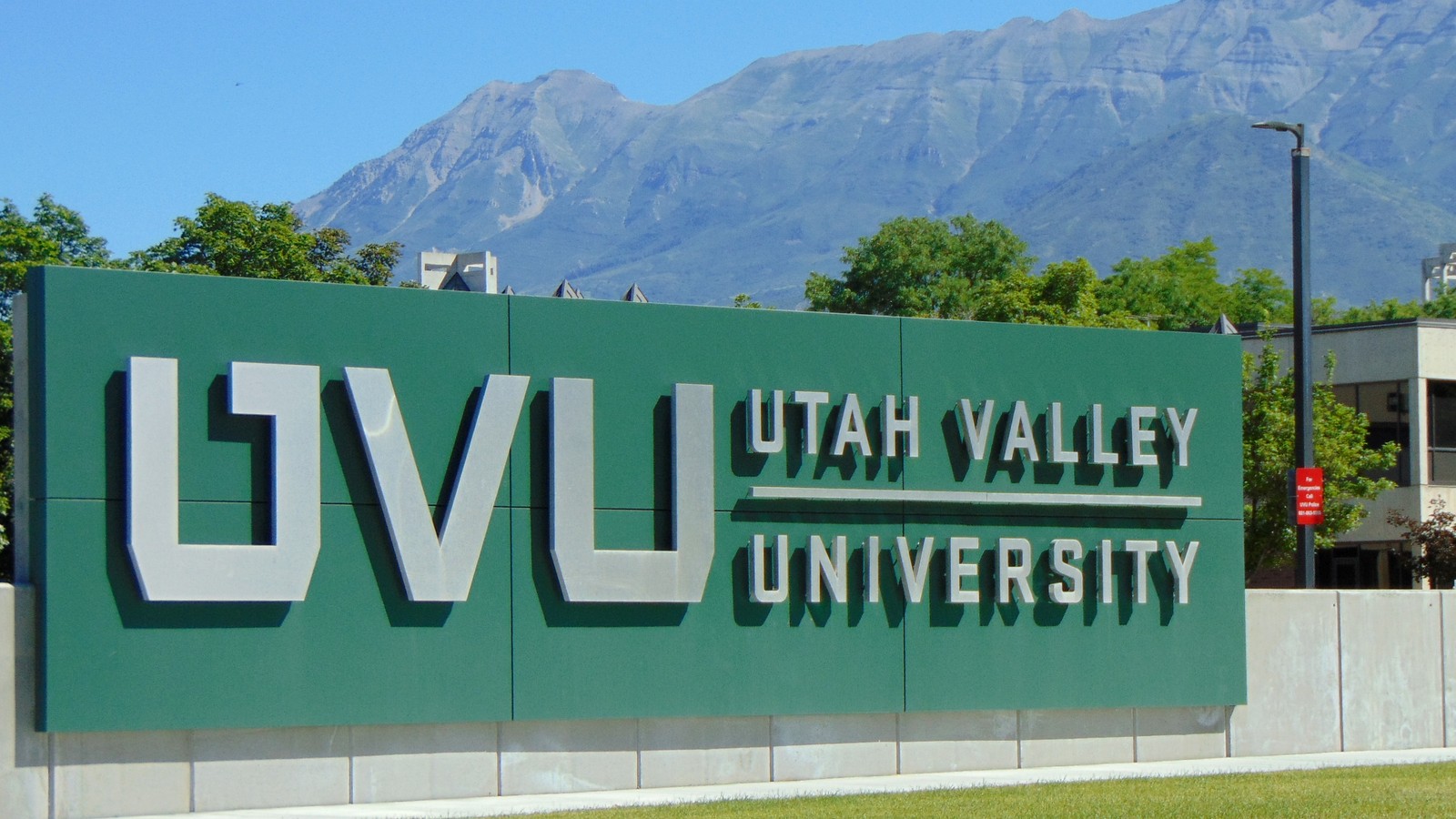
One current data point concerns records rather than the shooter. FOX 13 reported that Utah's Government Records Office refused to force release of UVU's security plans for the event, even while acknowledging a 'very heightened public interest' in disclosure.
A core set of campus-security records remains outside public review: what security plan existed, whether it was proportionate, and what exactly failed.
The current forensic record is contested, not neatly wrapped
AP reported on March 31 that an ATF analysis could not conclusively connect a bullet fragment recovered during the autopsy to the rifle found near the scene. AP also reported that the FBI is running additional tests. The ballistic record remained unresolved at the end of March.
The same AP update says prosecutors have pointed to DNA consistent with Robinson's on key rifle-related items, while defense attorneys say multiple people's DNA was found on some items and that the record requires more complex analysis.
Scale is part of why the case still feels unstable
FOX 13 reported that the defense motion described discovery from 28 law-enforcement agencies totaling 20,000 files, 61,500 pages of documents and images, and more than 700 hours of video. The same report says the defense claims key FBI and ATF forensic materials are still missing or were turned over late enough to justify delaying the preliminary hearing.
A file that large raises obvious questions about turnover speed, lab coordination, prioritization, and whether everyone touching the evidence chain is moving in sync.
The funding ask shows local officials also see this as abnormal
FOX 13 reported that Utah County asked the Legislature for $2 million to help cover the costs of the Robinson case. County officials described it as not a standard case or even a standard capital case. It is an institutional admission about scale, pressure, and resource strain.
The prosecution is unusually expensive, unusually public, and still arguing about access and evidence this far into 2026. The case still turns on records, timelines, and explanations from both the federal and state sides.
The trust problem grows when process stays this messy
Cases like this do not lose public trust only because of theories on the internet. They lose trust when records stay partly sealed, forensics stay unsettled, discovery stays enormous, and key security questions remain outside public review months after the event.
Handling questions matter in their own lane. Public trust erodes when access, evidence, security planning, and funding all remain live fights months after the event.
Sources & records
Reviewed by Standards Review. Updated April 14, 2026.
- Utah County Attorney | Charlie Kirk Case Updates
Official case-updates page used for the Feb. 24, 2026 ruling denying disqualification, the March 13 and April 17 hearing schedule, and the preliminary hearing dates of May 18-20.
- AP: Judge balances media access in Charlie Kirk killing case
Used for the March 13, 2026 hearing record showing the judge denied some efforts to restrict public access while leaving open the possibility of closing portions of the April hearing.
- AP: Lawyers for man accused of killing Charlie Kirk ask to delay hearing
Used for the March 31, 2026 update that the ATF analysis could not conclusively link a bullet fragment to the rifle found near the scene, that the FBI is running additional tests, and that the defense says multiple DNA contributors complicate the record.
- FOX 13: Tyler Robinson wants preliminary hearing delayed, claims critical evidence not turned over
Used for the defense motion's account of delayed FBI and ATF forensic materials, the discovery totals, and the April 17 hearing to discuss the delay request.
- FOX 13: Government records director rules against request for UVU security plan
Used for the current transparency fight over UVU's event-security plans and the state records office's decision not to compel disclosure.
- FOX 13: Judge orders release of closed hearing transcript in Robinson case
Used for the March 2026 order releasing a previously closed hearing transcript while keeping security-related portions redacted.
- FOX 13: Utah County seeks $2 million from legislature for Tyler Robinson case
Used for the Legislature funding request and the local-government description of the case as unusually expensive and operationally abnormal.