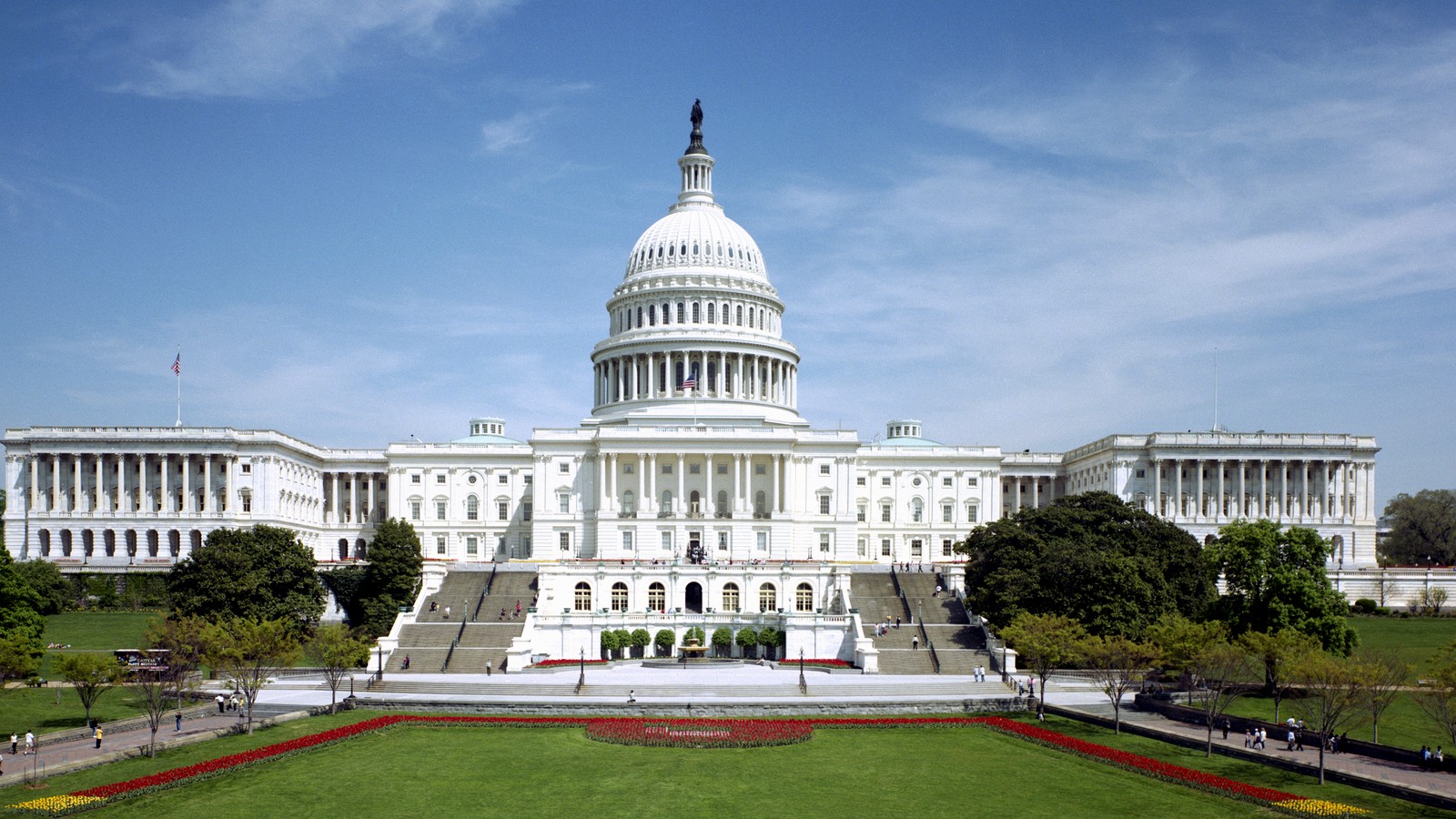
Nov. 19: Congress made disclosure law
Congress.gov says the Epstein Files Transparency Act became Public Law 119-38 on Nov. 19, 2025.
The law required DOJ to publish covered unclassified Epstein materials and report to Congress on categories released and withheld.
Jan. 30: DOJ claimed compliance
DOJ's January 30, 2026 press release says the Department published over 3 million additional pages that day, bringing the total to nearly 3.5 million pages, plus more than 2,000 videos and 180,000 images. DOJ also said any unproduced material fell into categories such as duplicates, privilege, Act exceptions, or items unrelated to the Epstein and Maxwell case files.
The fight stayed open after the January document release
On March 19, 2026, House Judiciary and Oversight Democrats said DOJ was still blocking meaningful review, keeping thousands of pages redacted even inside the members-only review system, and refusing to let Congress verify the Department's claim that millions of withheld pages were duplicates.
The same March 19 letter said documents were available only on four DOJ computers at a satellite office during business hours. Lawmakers estimated it would take more than seven years to review even the 3.5 million pages DOJ had chosen to make available.
A giant page count is not the same thing as meaningful access
The raw volume claim did not settle the dispute. Lawmakers challenged the conditions of review and DOJ's duplicate-page claim after DOJ announced the page count.
The transparency fight turned on whether outside reviewers could test the government's account of what was withheld, duplicated, redacted, or removed.
Oversight was still escalating in March
On March 17, 2026, House Oversight Chairman James Comer sent a subpoena cover letter directing Attorney General Bondi to appear for an April 14 deposition about DOJ's handling of the Epstein investigation and its compliance with the Act.
Two days earlier, a bipartisan group of senators led by Jeff Merkley, Lisa Murkowski, Ben Ray Lujan, and Dick Durbin asked GAO to investigate DOJ's review and redaction process. Their letter said DOJ had released victim-identifying information while appearing to shield politically sensitive names and had removed thousands of records from its website without a clear public explanation.
Outside records litigation was still active too
American Oversight's litigation page shows that its lawsuit seeking records about the Trump administration's review of the Epstein materials remained open into late March 2026, including a March 16 preliminary-injunction motion, a March 26 reply, and a March 30 hearing update.
The litigation placed the same dispute in court: what had been released, what had been removed, and what the review process was doing.
As of April 3, 2026, the transparency fight still defined the story
AP's April 3, 2026 timeline said the Epstein files had become a stubborn storyline running through Bondi's tenure and noted that the House subpoena remained part of the controversy.
On that date, the House subpoena, the GAO request, and American Oversight's records litigation were all still active.
Sources & records
Reviewed by Standards Review. Updated April 13, 2026.
- Congress.gov Bill Page For H.R. 4405
Congress.gov summary used here for the law's scope, the narrow categories DOJ could withhold, and the 15-day reporting requirement after the required publication.
- DOJ January 30, 2026 Press Release
DOJ's own compliance claim: nearly 3.5 million pages released, more than 2,000 videos and 180,000 images published, and certain categories withheld as duplicates, privileged material, Act exceptions, or unrelated items.
- House Oversight Subpoena Cover Letter To Bondi
Official House Oversight document showing that the Committee still treated the matter as unresolved in mid-March 2026 and set an April 14 deposition date for Bondi.
- House Judiciary And Oversight Democrats March 19 Release
Official congressional release used here for the continuing oversight dispute: lawmakers said review remained blocked, Members were limited to four DOJ computers, and the Department was still not providing meaningful access.
- March 19, 2026 Letter To Bondi
Primary letter used for the more detailed claims about heavy redactions, the inability to verify DOJ's duplicate-file assertions, limits on note-taking and staff access, and DOJ monitoring of Members' review activity.
- March 11, 2026 Bipartisan GAO Review Request
Bipartisan Senate request from Merkley, Murkowski, Lujan, and Durbin asking GAO to review DOJ's redactions, document removals, victim-protection failures, and overall compliance with the law.
- American Oversight Litigation Tracker
Used here to show that outside records litigation remained open into late March 2026, including a March 16 preliminary-injunction motion and a March 30 hearing update.
- AP April 3, 2026 Timeline
Used only for latest-context framing on April 3, 2026: the Epstein-files fight was still defining Bondi's tenure on the day AP reported her departure.