A committee that almost never meets was brought back for Gulf drilling
AP reported that the Endangered Species Committee, nicknamed the 'God Squad' by environmental groups, had not met since 1992 before reconvening on March 31, 2026. AP also reported that before this action it had convened only three times in its nearly 50-year history and issued just two exemptions.
The March 31 meeting reactivated one of the federal government's rarest Endangered Species Act override mechanisms.
The override was justified through national-security language tied to the Iran war
AP reported that Defense Secretary Pete Hegseth invoked national security and sought an exemption for all Gulf of America oil and gas exploration and development activities overseen by federal agencies. AP also reported this came as oil shocks and energy-price pressure hit during the U.S.-Iran war.
The Interior Department then made the administration's framing explicit. After the meeting, Burgum said Gulf energy streams must not be disrupted or held hostage by litigation and called regional production essential to national security and economic stability.
The administration had to keep the court door open to get there
AP separately reported on the court fight over whether the committee could even meet, and on the DOJ language seeking an exemption for all Gulf oil and gas exploration and development activities. The same AP reporting said the national-security provision being used had never before been invoked in this context.
The administration pushed an exceptional committee and a national-security argument through active legal resistance.
The legal effect was not symbolic
The committee's formal order, published in the Federal Register notice mirrored by Justia, says covered federal agencies no longer have to comply with the Endangered Species Act's section 7 consultation and jeopardy requirements for the exempted Gulf oil and gas activities. The notice also says actions that would ordinarily count as prohibited 'take' are no longer barred under the ESA for the covered activity.
The order carved covered Gulf oil and gas activity out of core ESA consultation, jeopardy, and take constraints.
The production stakes explain why the pressure was so intense
AP reported that the Gulf produces about 2 million barrels of oil a day, or almost 15 percent of U.S. Crude production. Federal messaging shifted quickly from species law to national-security and energy-market language.
The production figure does not make the exemption self-justifying. It does show why the administration was willing to reach for rare authority. The Gulf is not a symbolic fossil-fuel zone. It is a major production corridor with large commercial and political value.
And it happened in waters where Rice's whales are barely hanging on
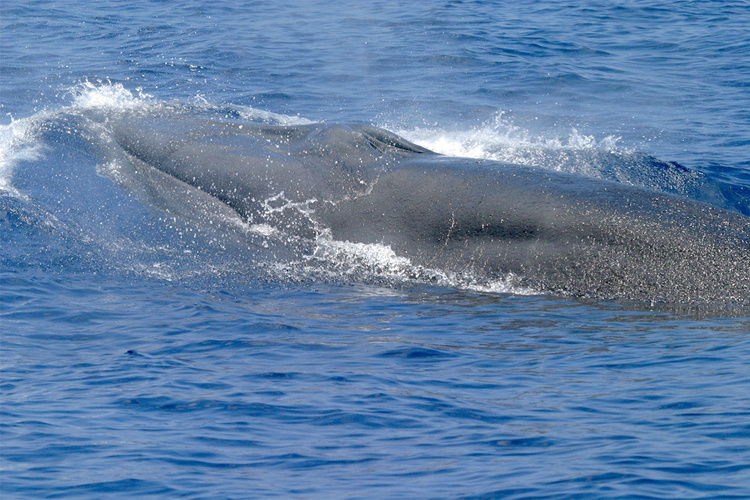
NOAA Fisheries says there are approximately 50 Rice's whales left in the Gulf of America based on its latest abundance estimate. The agency lists threats that include vessel strikes, noise from vessels and energy exploration, oil spills, and lingering effects of Deepwater Horizon pollution.
NOAA's threat list overlaps directly with vessel traffic, energy exploration, oil spills, and the Gulf industrial system covered by the exemption.
The precedent is larger than one committee meeting
A committee that had not met since 1992 was reactivated during a war-and-oil shock moment to loosen endangered-species constraints around one of the country's most valuable fossil-fuel basins.
The Rice's whale file now includes a precedent question around rare override tools, national-security language, and fossil-fuel production zones.
Sources & records
Reviewed by Standards Review. Updated April 13, 2026.
- AP On The Exemption Vote
Used for the March 31, 2026 exemption vote, Hegseth's national-security justification, Gulf production numbers, and AP's history of the committee's prior use.
- AP On Judge Letting The Meeting Proceed
Used for the court fight, the DOJ filing language that sought an exemption for all Gulf oil and gas exploration and development activities, and AP's note that the national-security provision had never previously been invoked.
- DOI Press Release After The Committee Meeting
Official Interior Department source used for the administration's own framing that Gulf energy development was essential to national security and economic stability.
- Federal Register Notice Mirrored By Justia
Mirror of the April 3, 2026 Federal Register notice used for the committee's formal order exempting Gulf of America oil and gas activities from ESA consultation and take prohibitions while leaving existing avoidance or minimization measures in place.
- NOAA Fisheries Rice's Whale Page
Official NOAA source used for Rice's whale population estimates, species range, and the listed threats from vessel strikes, energy exploration noise, oil spills, and other human impacts.