Kentucky's complaint put third-party chat in the case file
Kentucky's Oct. 6, 2025 complaint against Roblox says children were contacted by strangers using third-party chat apps that functioned as if they were part of the game.
The same complaint says Robux could be used to entice children into dangerous situations. The cross-platform allegation sits in a state attorney general filing, not only in creator commentary.
Roblox told law enforcement the trail can leave the app
Roblox's Aug. 7, 2025 law-enforcement post says bad actors may be pushed to other platforms. The company said it wanted to help law enforcement connect the dots across platforms.
That company post puts Roblox in the same cross-platform frame as the Kentucky complaint: the initial contact, the evidence trail, and the later conversation may not stay inside one app.
Roblox and its critics are fighting over methods, not over whether the off-platform risk exists
Roblox's August 2025 posts say the company works with law enforcement, reports threats to NCMEC, and built reporting tools to capture metadata that screenshots cannot.
The same posts say Roblox removed vigilante accounts because those users impersonated minors, delayed reporting, and encouraged users to move conversations to other platforms.
WIRED reported on Nov. 25, 2025 that Schlep's Roblox-predator hunts often began on Discord servers tied to so-called condo communities. Roblox and its critics were describing the same escape route while fighting over investigation methods, evidence handling, and platform responsibility.
Scale is not a safety guarantee for families
In August 2025, Roblox said it had 111.8 million daily active users and handled 6.1 billion chat messages per day.
Roblox also said it made 24,522 reports to the National Center for Missing and Exploited Children in 2024.
The company's own scale numbers define the moderation problem: billions of daily messages, a nine-figure daily user base, and a reporting pipeline already producing tens of thousands of NCMEC referrals.
Schlep and Ryan Montgomery became named public figures in the Roblox safety fight
WIRED identified Schlep as a 22-year-old creator whose channel focused on alleged grooming and exploitation on Roblox. WIRED reported that Roblox sent him a cease-and-desist and banned his accounts on Aug. 8, 2025.
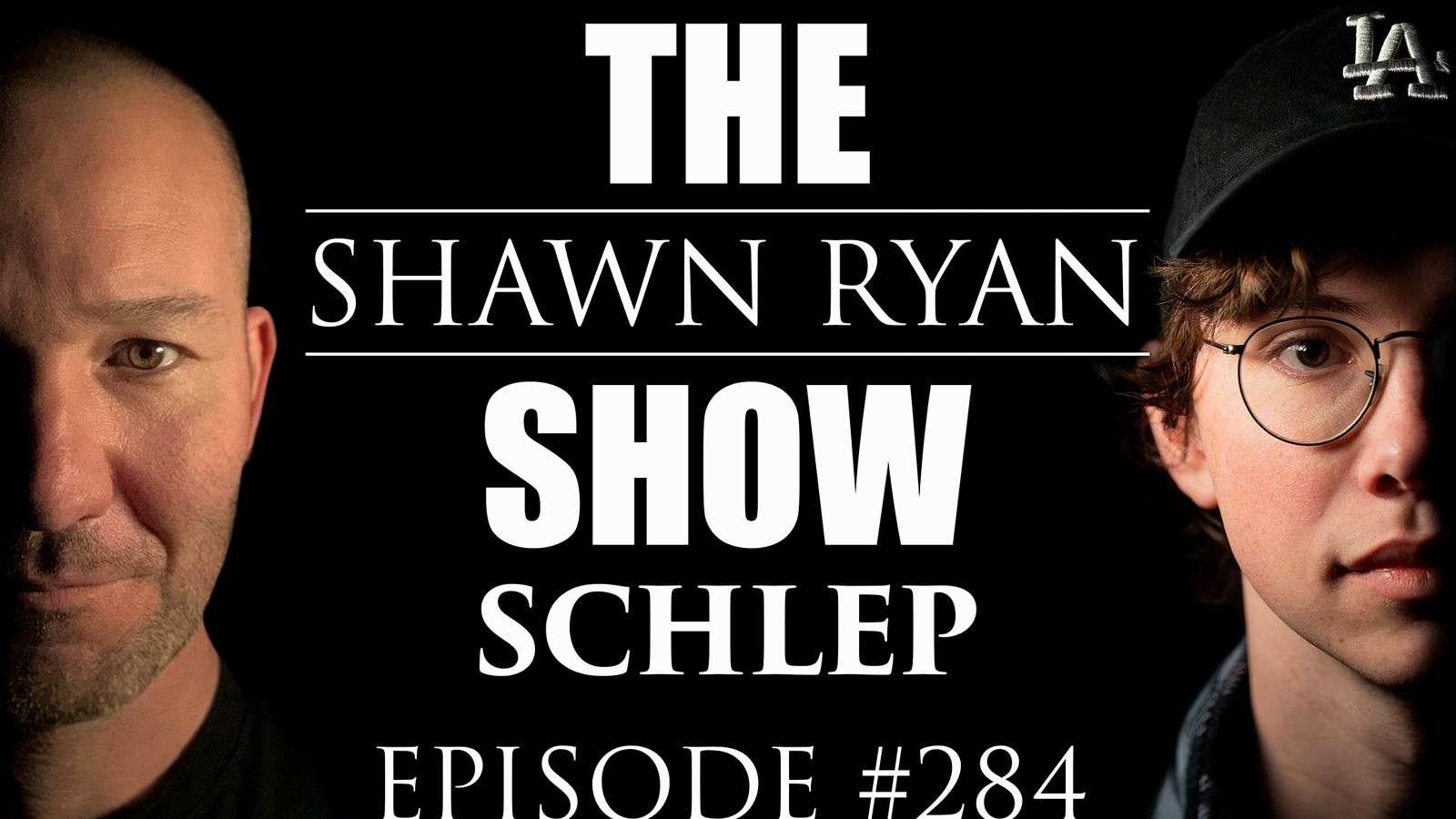
Shawn Ryan's March 2, 2026 episode page presented Schlep as a nationally visible Roblox critic and child-safety advocate.
Shawn Ryan's Nov. 20, 2025 episode page presented Ryan Montgomery as an ethical hacker, Pentester founder, and Sentinel Foundation CTO working on child-exploitation and trafficking investigations.
The Shawn Ryan interview turned creator conflict into a parent warning
The March 2026 Shawn Ryan interview framed the dispute as a parent-safety question and a terms-of-service fight between a platform and a creator.
Ryan repeatedly tied Roblox safety marketing to private chat, off-platform movement, and contact that did not stay inside the game.
The episode placed the Roblox fight before a mass audience after months of platform statements, state legal action, WIRED reporting, and public pressure from Schlep and Montgomery.
Federal 764 prosecutions make the broader danger harder to wave away
In April 2025, DOJ announced charges against alleged leaders and associates of a 764-related global child-exploitation enterprise.
DOJ described the network as a violent online system built around the corruption and exploitation of vulnerable people, often minors.
The federal 764 cases put encrypted off-platform coordination, coercion, and self-harm abuse in the same broader online-safety environment critics were pointing to around youth-heavy platforms.
Discord delayed broader age assurance to late 2026
Discord's Feb. 9, 2026 release said the platform was rolling out a global teen-default experience with age-gated spaces, content filtering, message-request protections, and a more formal age-assurance system.
On Feb. 24, Discord updated the same post to say broader age assurance would be delayed into the second half of 2026 so it could expand verification options, increase vendor transparency, and publish more technical documentation.
The household risk path is cross-platform
The named records run through Roblox, Discord, Kentucky's complaint, DOJ's 764 prosecutions, WIRED's Schlep reporting, and Roblox's own law-enforcement post.
The shared fact pattern is movement: contact, grooming allegations, evidence handling, and enforcement questions can cross from a youth-heavy game into private messaging spaces and other platforms.
Roblox's own law-enforcement post says the company wants to help investigators connect dots across platforms. Kentucky's complaint says third-party chats functioned as if they were part of the game.
Sources & records
Reviewed by Standards Review. Updated April 13, 2026.
- Roblox: How Roblox Partners With Law Enforcement
Used for Roblox's own description of cross-platform risk, the company's law-enforcement posture, its NCMEC reporting volume, and its acknowledgement that bad actors can move to other platforms.
- Roblox: More on our Removal of Vigilantes From Roblox
Used for Roblox's formal explanation of why it banned vigilante accounts, including its claim that those accounts impersonated minors, delayed reporting, and encouraged other users to move conversations off-platform.
- Kentucky v. Roblox Complaint
Used for the public-state litigation record alleging that strangers used third-party chat apps that functioned as if they were part of the game, that Robux could be used to entice children, and that Roblox failed to warn families adequately.
- WIRED: He Hunted Alleged Groomers on Roblox. Then the Company Banned Him
Used for the documented public fight around Schlep, including the August 8, 2025 cease-and-desist date, the Roblox ban, and the reporting that much of the predator-tracking work moved through Discord servers tied to Roblox condo communities.
- Shawn Ryan Show: SRS #255 Ryan Montgomery
Used for Ryan Montgomery's public positioning as Pentester founder and Sentinel Foundation CTO and for the fact that he was being publicly framed by late 2025 around Roblox, Minecraft, and online-child-safety work tied to child exploitation and trafficking investigations.
- Shawn Ryan Show: SRS #284 Schlep
Used for Schlep's public-facing identity, age, and the way he was being nationally presented in early 2026 as a Roblox-focused critic and predator-hunting creator in a parent-warning national-media format.
- Justice Department charges against alleged 764 leaders and associates
Used for the federal criminal-enforcement file and charges tied to the 764 network.
- Discord Launches Teen Default Experience Globally
Used for Discord's own 2026 teen-safety posture, including age-gated spaces, message-request defaults, and the later delay of broader age assurance for more vendor transparency and technical documentation.