The strongest evidence is the feeding trial
In the 2019 Hall trial at the NIH Clinical Center, people ate both an ultra-processed diet and an unprocessed diet for two weeks each. The diets were matched for presented calories and key nutrients, but participants still ate 508 more calories per day on the ultra-processed diet.
They also gained 0.9 kilograms on the ultra-processed diet and lost 0.9 kilograms on the unprocessed diet. That does not settle every chronic-disease question, but it is stronger than the usual correlation-only argument.
The exposure is not niche
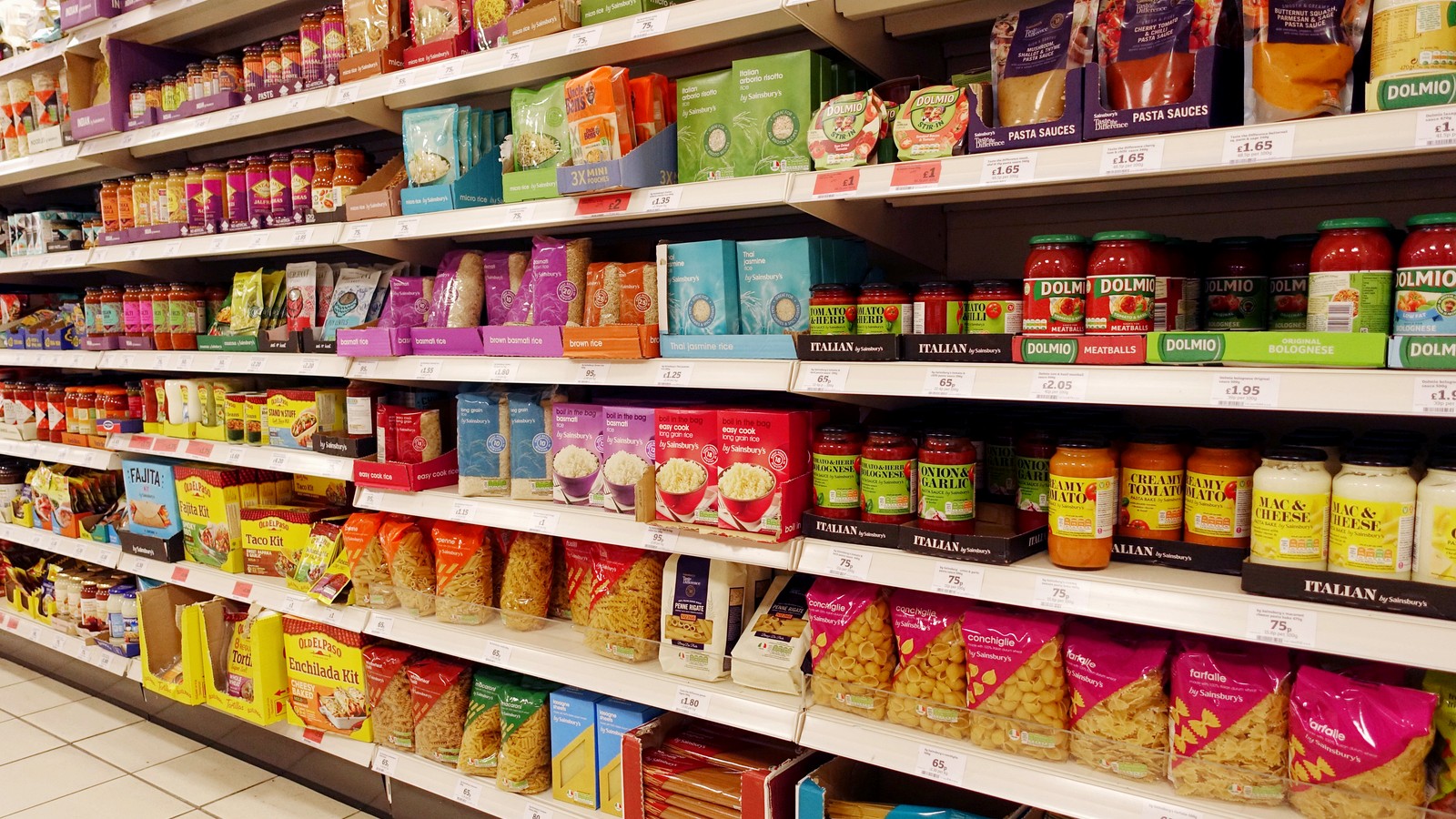
NIH's NHLBI says researchers estimate that up to 70 percent of the U.S. diet is made up of ultra-processed foods. That means this is not a fringe habit at the edge of the market. It is a mainstream eating pattern.
When the baseline diet is already dominated by these products, even modest effects can matter at a population scale.
The chronic-disease links are growing, but not all equally strong
NIH's NHLBI says observational evidence links higher ultra-processed food intake to greater cardiovascular disease risk. That kind of evidence matters, but it is still different from a long-term randomized trial.
The strongest public version of the story is therefore mixed: there is a clear short-term experimental effect on intake and weight, while many longer-term disease links remain largely observational.
Why this matters in the United States
CDC says adult obesity prevalence was 40.3 percent during August 2021 through August 2023, with severe obesity at 9.4 percent. Ultra-processed food is not the only reason those numbers are high, but it belongs in any serious conversation about them.
This issue is not just about personal discipline. It is about what the food environment is designed to sell, reward, and normalize at scale.