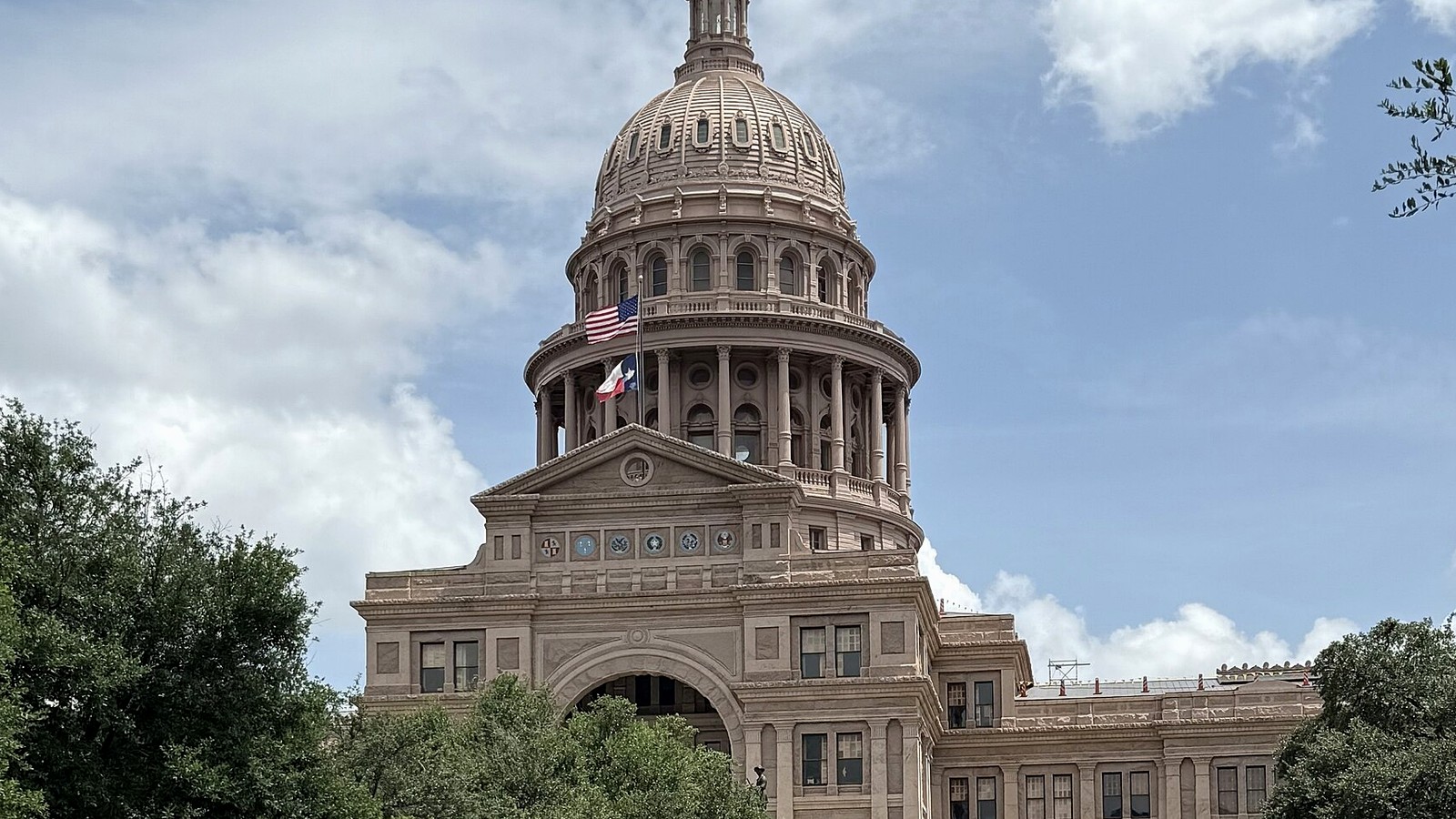
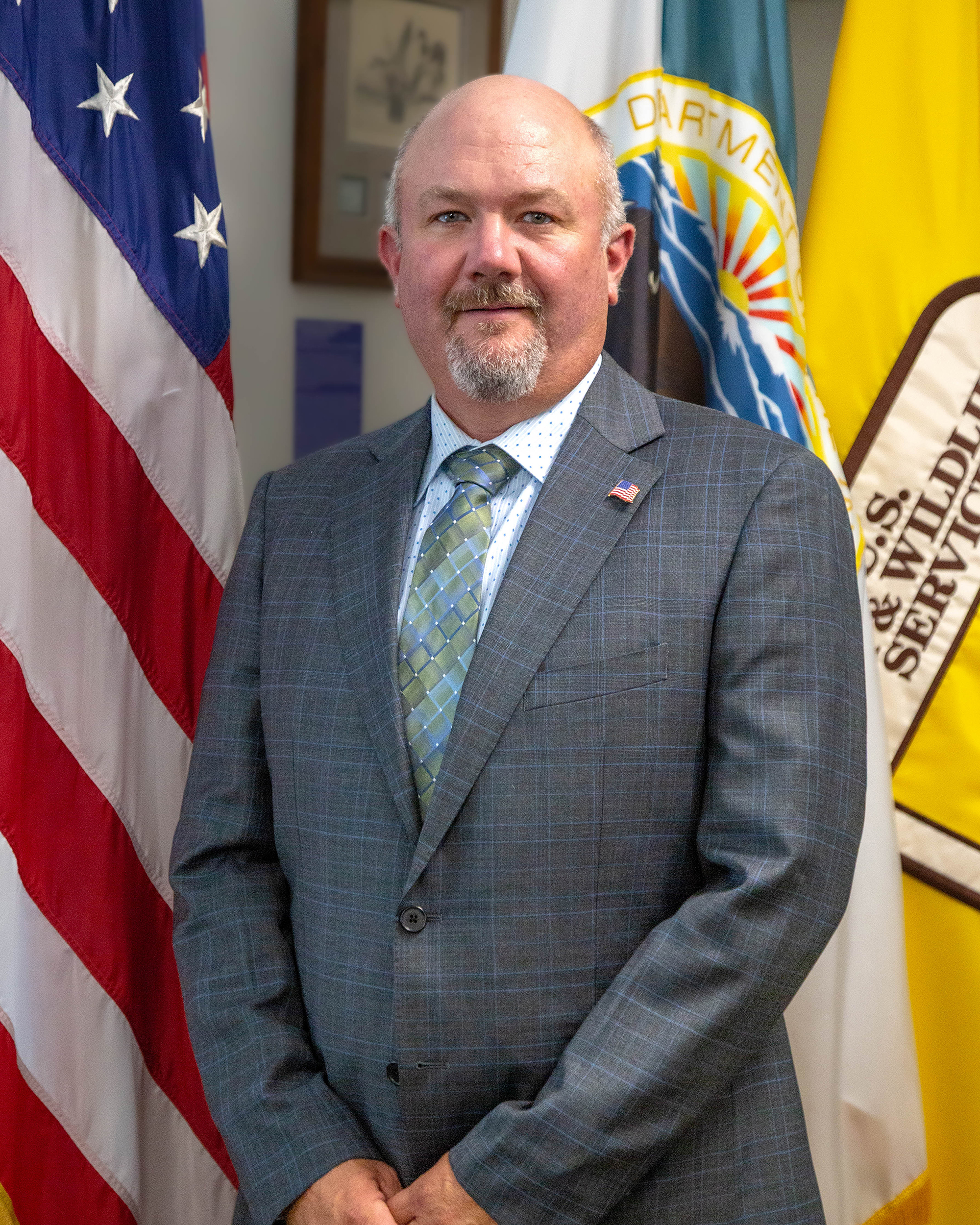
Spencer Cox sits over agencies, appointments, and contracts in Utah
Spencer Cox oversees statewide agencies, executive appointments, procurement, and budget power in Utah. Major spending systems and regulatory boards run through offices the governor staffs or directs.
Utah's governor controls rapid growth, water stress, inland-port politics, land and housing questions, education, and social-service contracting all flow through a relatively centralized state apparatus. Cabinet control, board appointments, emergency authority, and budget leverage can all shape outcomes before a local scandal reaches headlines.
Campaign-finance records show who was closest to the office in Utah
The campaign finance record usually identifies the industries most invested in the governor's office before a contract fight or appointment dispute turns public. Builders, utilities, insurers, health systems, land interests, plaintiffs' firms, and finance groups often appear here first.
Watch inland-port and logistics projects, water and drought infrastructure, school and charter spending, land and housing-related incentives, transportation money, and social-service or health vendors.
Disclosure forms, appointments, and contracts show whether names recur
The ethics / disclosure record lists assets, outside income, gifts, travel, recusals, and affiliations around the governor's office.
Put those disclosures next to procurement records and appointment announcements. The state record gets stronger when the same names or sectors reappear across donors, appointees, vendors, and agencies named in oversight documents.
Utah's biggest public-money institutions are the first places to look
The inland-port orbit, water agencies, transportation, education systems, housing and development programs, and health or human-services procurement are the clearest pressure points.
Those are the places where recurring donors, contractors, consultants, outside counsel, and politically connected executives start showing up in a durable way.
Audit and oversight records test whether those same names sit inside weak controls
Escalation starts when developers, logistics players, education operators, or politically connected contractors start recurring across donations, land decisions, and state contracts.
The auditor record identifies questioned costs, altered documents, weak controls, and agencies already under scrutiny. When those findings overlap with recurring donor, contractor, or board names, the state page gets much harder to dismiss.
Sources & records
Reviewed by Standards Review. Updated April 13, 2026.
- National Governors Association: Utah
Official current-governor profile for Spencer Cox.
- Utah Campaign finance
Official campaign finance records tied to the governor's office in Utah.
- Utah Ethics / disclosure
Official ethics / disclosure records tied to the governor's office in Utah.
- Utah Procurement
Official procurement records tied to the governor's office in Utah.
- Utah Auditor
Official auditor records tied to the governor's office in Utah.