The referral system is still blocked where patients most need it
OCHA's 2 April 2026 report says limited medical evacuations abroad continue, but the referral route to the West Bank remains banned. Gaza's hospitals are not simply short on convenience or elective care. They are short on specialized capacity, and one of the main escape valves is still shut.
When a health system is already shattered, a blocked referral pathway turns delayed care into denied care.
The evacuation pace is tiny compared with the waiting list
OCHA says WHO and partners evacuated 82 patients and 160 caregivers through Rafah in six operations after the crossing reopened on 19 March. WHO's 2026 Health Emergency Appeal, however, says more than 18,500 injured and chronically ill patients still need treatment unavailable in Gaza and are awaiting evacuation.
The bottleneck is measurable. The outflow is counted in dozens while the need is counted in tens of thousands.
Equipment delays are making partially functional hospitals less functional than they sound
OCHA says persistent delays in clearance for specialized medical and surgical equipment continue to limit the ability of emergency medical teams to provide complex care. The same report says additional supplies remain pre-positioned outside Gaza pending access.
A hospital can be listed as 'partially functional' on paper while still being unable to perform the procedures people actually need if key equipment, tools, or spares are stuck outside the strip.
The phrase partially functional can hide how compromised the system really is
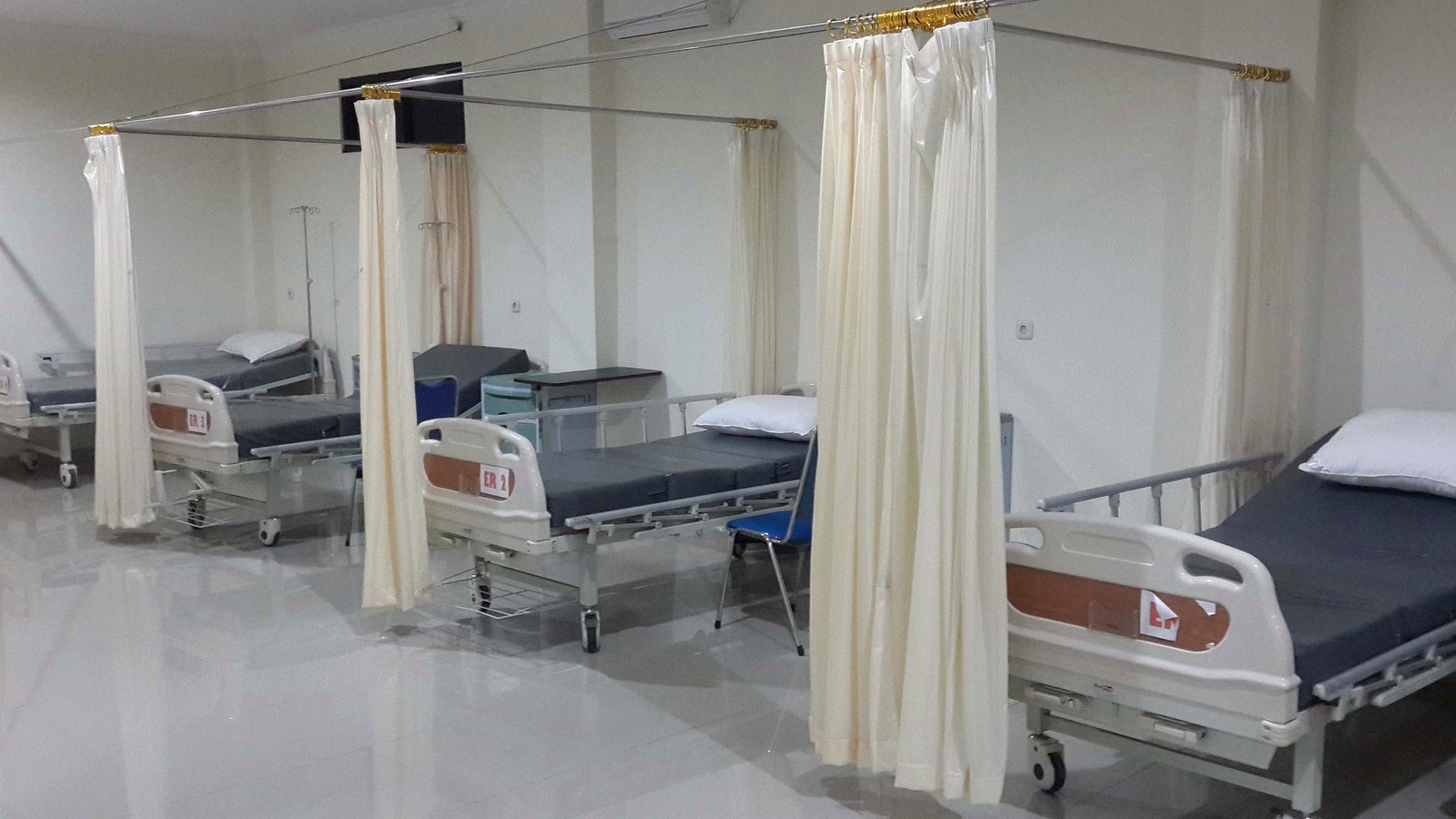
This is one of the most misleading comfort words in the Gaza health file. A hospital that is partially functional may still be unable to run specialty services, maintain supplies, move patients out, or sustain intensive care under the conditions people assume a hospital can provide.
The crisis also involves a system kept alive just enough to avoid the word 'closed' while remaining far below the level of care the caseload requires.
Medicine and facility capacity are still deeply compromised
WHO says 51 percent of essential medicines are currently at zero stock in Gaza. UNICEF says no hospital is fully functional and only 18 of 36 are partially functional, while WHO says only half of hospitals are partially functional and just 48 percent of primary health care centres remain operational.
The border choke point lands on top of an already degraded base. Even before the next patient reaches a checkpoint or a crossing, the medicines, facilities, and staffing picture is already broken.
Sources & records
Reviewed by Standards Review. Updated April 13, 2026.
- OCHA Humanitarian Situation Report | 2 April 2026
Primary current source used for the continuing ban on the referral route to the West Bank, the 82-patient Rafah evacuation figure, clearance delays for specialized medical and surgical equipment, and the note that additional supplies remain pre-positioned outside Gaza pending access.
- WHO Health Emergency Appeal 2026
Used for the 18,500-patient evacuation backlog, the statement that only half of hospitals are partially functional, the 48 percent primary-care functionality figure, and the report that 51 percent of essential medicines are at zero stock.
- UNICEF State Of Palestine Humanitarian Situation Update
Used for the February 2026 hospital-functionality line that no hospital in Gaza was fully functional and only 18 of 36 were partially functional.