The Regional Solutions packet put the revenue case on paper
Oregon's North Coast Regional Solutions packet lists NEXT Renewable Fuels as a more than $1 billion project. The packet projects more than 200 family-wage jobs, more than $12 million a year in local property taxes, and more than $5.5 million a year in Port fees.
The same packet lists Business Oregon, the Port of Columbia County, Columbia County, the City of Clatskanie, DEQ, DSL, the Oregon Department of Energy, and the Army Corps among the project partners.
The Port's 2024 business plan tied land, rail, and dock assets to NEXT
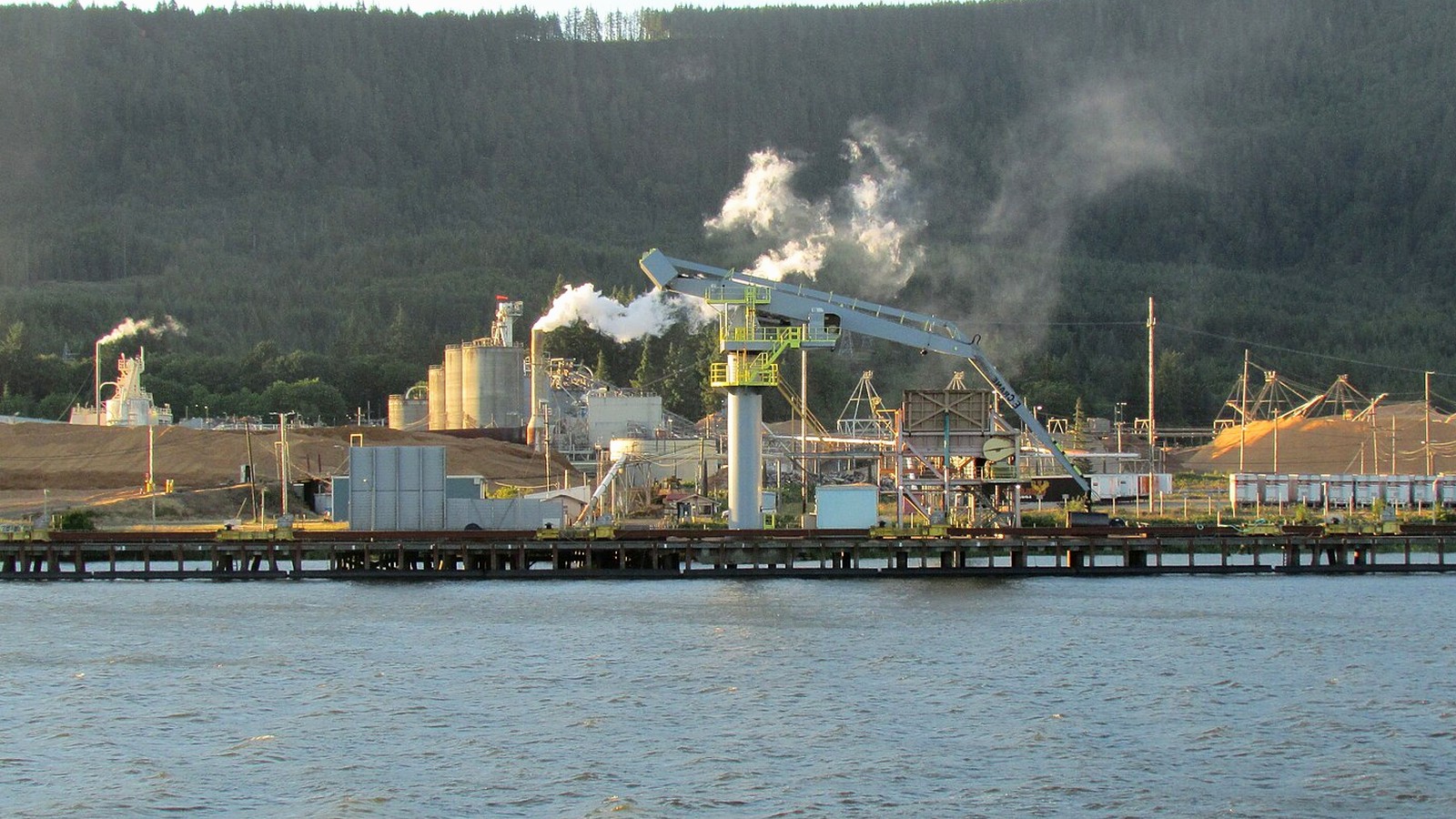
The Port of Columbia County's 2024 strategic business plan says 90 acres at Port Westward are leased to NEXT Renewable Fuels. The plan says the Port's rail lead will be used by NEXT when the plant is operating.
The same plan says Beaver Dock would handle feedstocks and products for the project. The Port's own plan places its land, dock, and rail assets inside the refinery logistics chain.
Resolution 2024-03 cut monthly rent during the federal delay
Port Resolution 2024-03 approved a third amendment to NEXT's ground lease that temporarily reduced monthly rent from $108,497 to $15,000 while the federal EIS remained unfinished.
The resolution says deferred rent would accrue at 18 percent interest until a project approval decision. The same resolution says NEXT had already paid $3,522,452.73 through the site development agreement, ground lease, and rail safety study.
State staff were already coordinating around permits, transport, and housing
The Regional Solutions packet says state staff were meeting with NEXT about permitting, transportation impacts, wetland mitigation, workforce needs, housing, and community-development issues.
Jennifer Purcell is listed in the packet as team lead for the North Coast Regional Solutions process. Business Oregon is listed as agency lead.
The public-side beneficiary list includes fees, lease revenue, and tax growth
The Regional Solutions packet assigns annual tax and fee growth to the project before a final federal permit decision. The Port's business plan assigns leased acreage, rail use, and dock use to the same project.
Port Resolution 2024-03 assigns reduced rent and deferred collections to the same federal review window. Those three documents put the expected public-side revenue in the file.
Sources & records
Reviewed by Standards Review. Updated April 13, 2026.
- Oregon North Coast Regional Solutions packet
Official state work-plan packet laying out the jobs, property-tax, and Port-fee case for the project and listing the agencies coordinating around it.
- Port strategic business plan and facilities assessment
Official Port document showing that NEXT leases 90 acres at Port Westward and that the Port's rail lead and Beaver Dock are expected to serve the project.
- Port Resolution 2024-03 ground lease amendment
Official Port resolution approving a temporary rent deferral and recording that NEXT had already paid more than $3.5 million across its site agreements and studies.
- Port news: Port drives economic development
Official Port article tying Port Westward development to dock modernization plans and broader district finance.
- Port news: seismic upgrades at Port Westward
Official Port article saying the NXTClean refinery is expected to create 240 jobs and become the highest taxpayer in the county once operational.