The access story is already part of the Port's own planning record
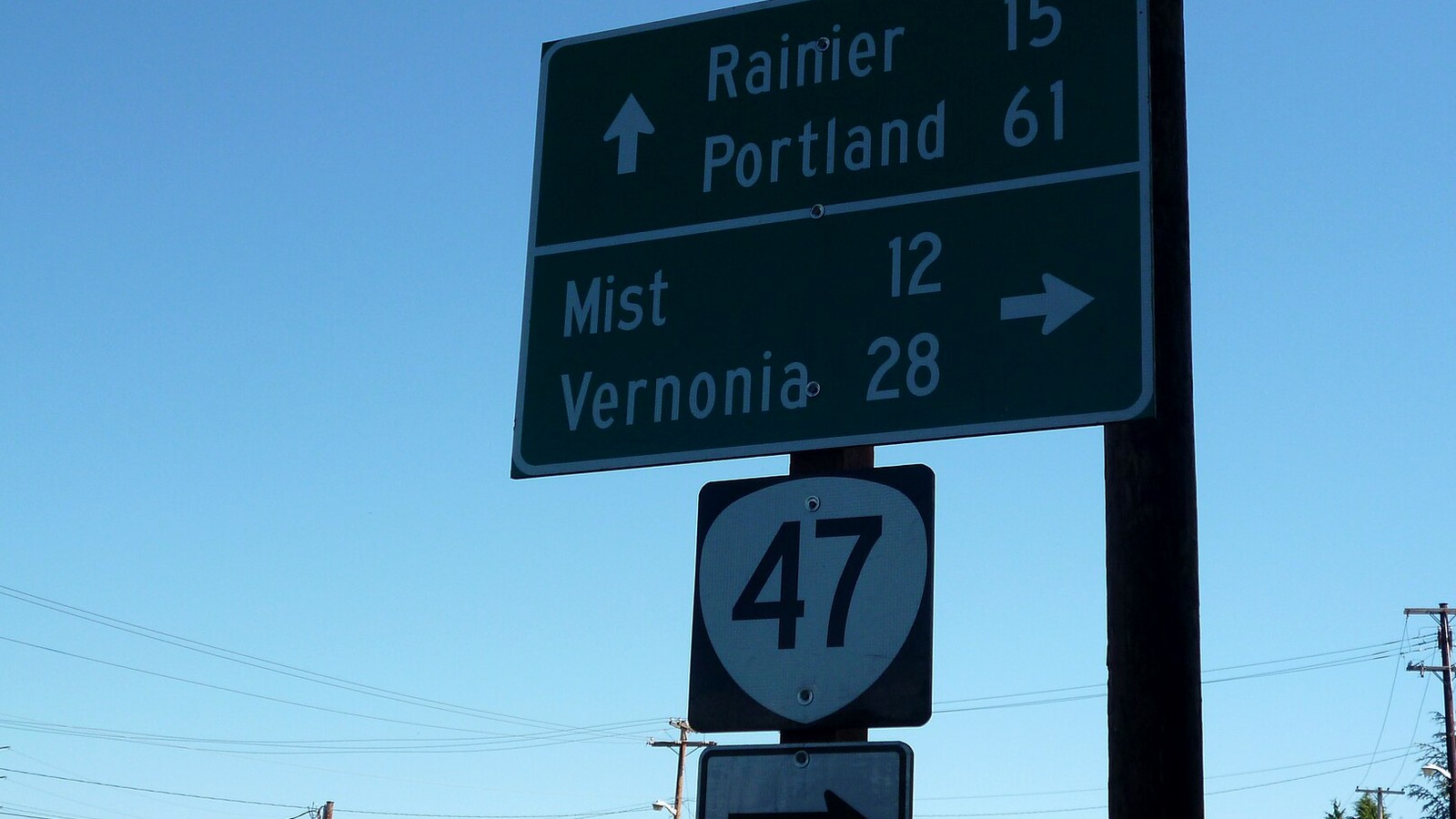
The Port's 2024 strategic business plan says the main route into Port Westward is Kallunki Road connecting to Quincy Mayger Road, both described as narrow county roads with about 24 feet of pavement and not built to typical standards for large truck traffic.
This is the Port's own description of the access system serving an industrial park where NEXT is expected to operate.
The federal review makes the transport burden concrete
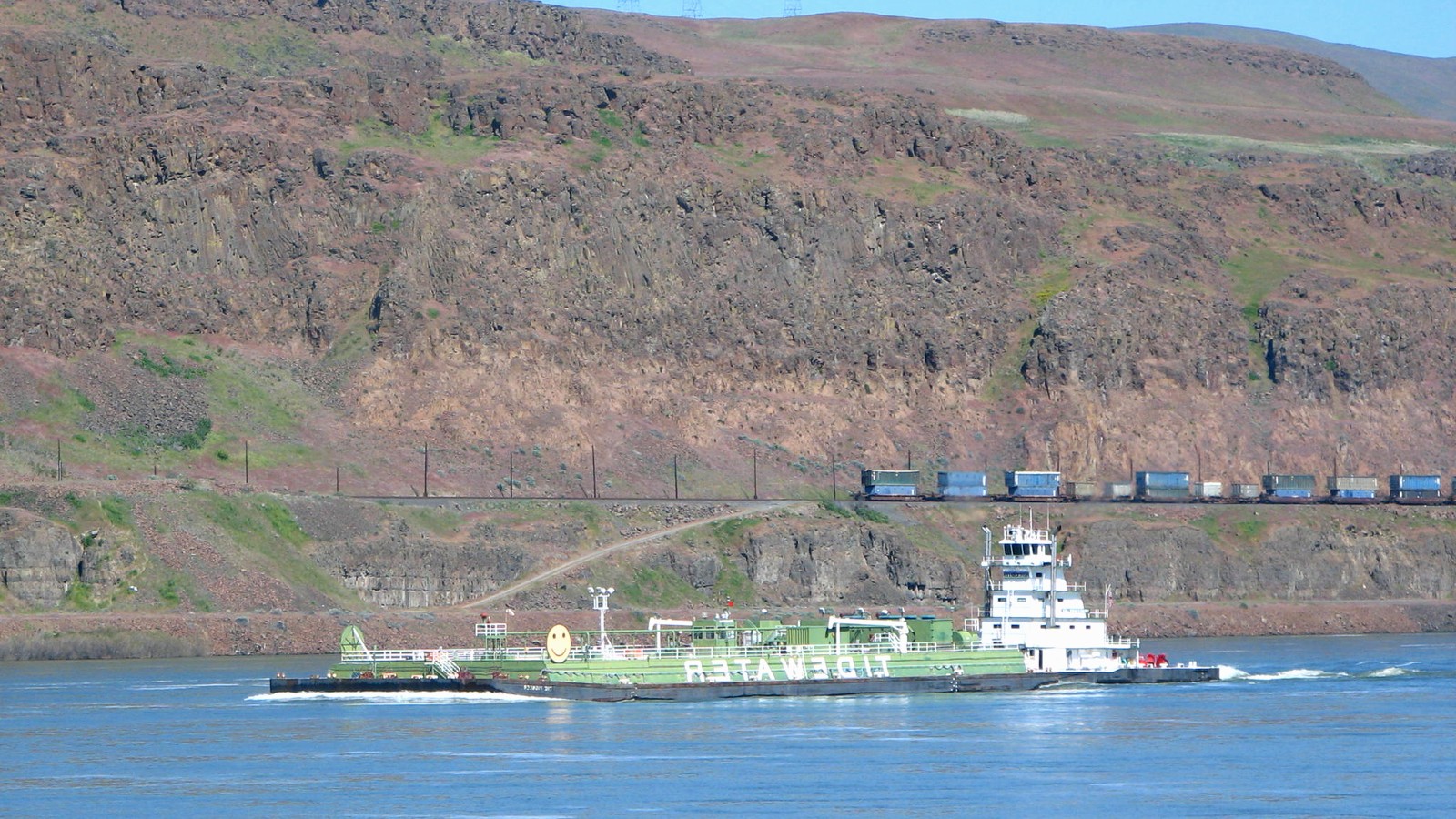
The Corps says the project could require up to 208 trains a year, 720 trucks a year, and 171 ocean-going vessel movements a year. Alongside the Port's road description, those volumes place emergency planning on the full corridor, not only the refinery footprint.
It becomes a corridor question: how responders, roads, rail crossings, and dock operations all behave when the industrial tempo rises.
DEQ's spill-response story relies on existing terminal infrastructure and shared responders
DEQ says Columbia Pacific Bio-Refinery, the existing terminal operator at Port Westward, stages more than 6,500 feet of containment boom, two deployment vessels, and works with Clean Rivers Cooperative, the U.S. Coast Guard, and other responder agencies on regular spill drills. DEQ also says Maritime Fire and Safety Association becomes an additional oil-spill response organization once an ocean-going vessel enters the Columbia.
That is useful capability, but it also means the response plan is not a self-contained NEXT-only system. It is built around a shared industrial-response network already operating at the Port.
Even the Port itself treated fire coordination as a governance issue
In June 2025, the Port adopted Resolution 2025-19 authorizing an intergovernmental agreement with Clatskanie Fire District. The Port's public page does not spell out every operational term on its own, but the existence of the agreement is still telling.
Emergency capacity at Port Westward is not assumed to be automatic. Public institutions are actively arranging and formalizing it.
Shared responders make this a regional-capacity file
Response plans rely on county roads, terminal crews, cooperative spill systems, and local fire agreements. The wider regional system has to absorb the extra burden on the worst day.
Emergency readiness belongs in the public-interest record. A project can shift risk outward even when its own emergency binders look complete.
Sources & records
Reviewed by Standards Review. Updated April 13, 2026.
- USACE NEXT Renewable Fuels EIS page
Official Corps page listing the project's expected annual vessel, rail, and truck movements.
- Port strategic business plan and facilities assessment
Official Port document describing current access roads as narrow county roads not built to typical heavy-truck standards and stating the Port's rail lead and Beaver Dock will be used by NEXT.
- Oregon DEQ response to comments on the 401 certification
Official response describing the spill-response framework at Port Westward, including containment boom, deployment vessels, Clean Rivers Cooperative, Maritime Fire and Safety Association, and OERS reporting.
- Port resolution page for Clatskanie Fire District agreement
Official Port page showing Resolution 2025-19, adopted June 11, 2025, authorizing an intergovernmental agreement with Clatskanie Fire District.