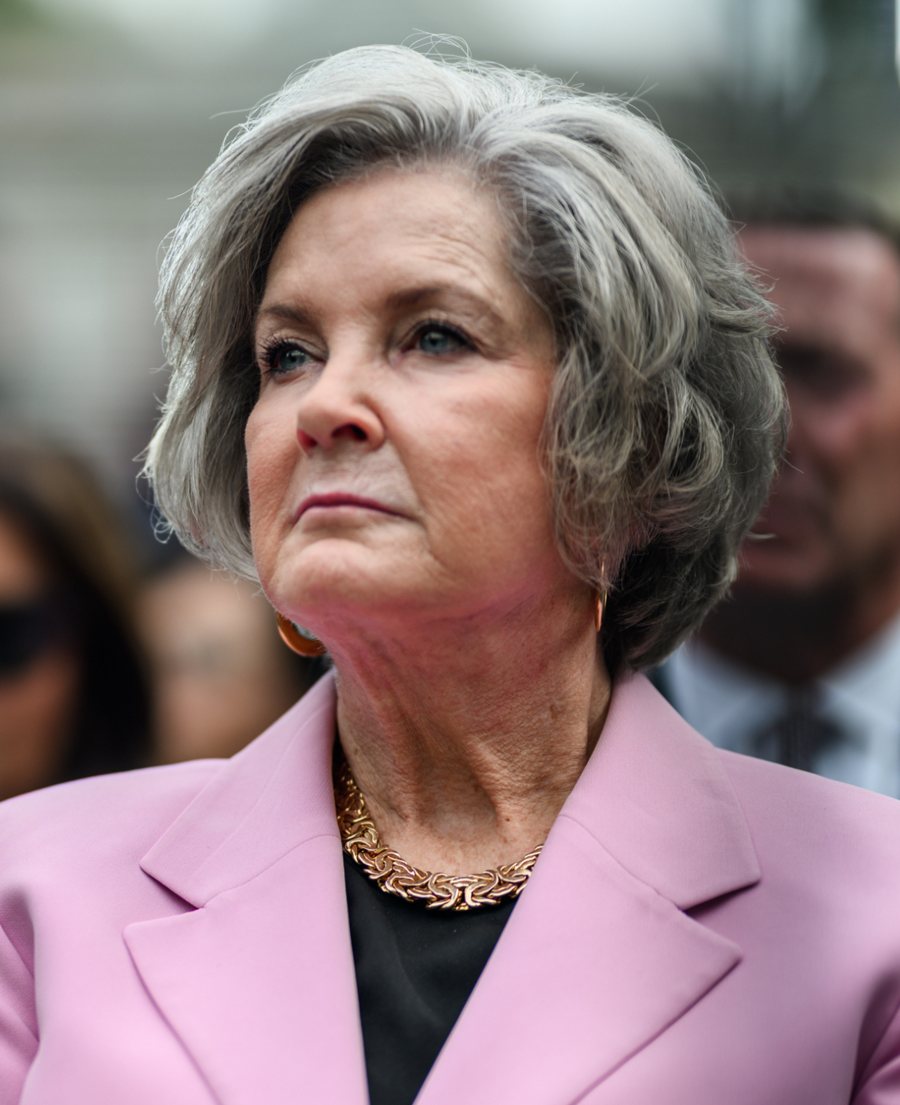
Wiles entered office with real power, not ceremonial status
AP reported in November 2024 that Wiles became the first woman selected to serve as White House chief of staff. The White House staff report later anchored her inside the formal personnel record. Chief of staff is one of the few unelected jobs that can shape almost every other one.
The role decides access, sequencing, message discipline, and which factions get near the Oval Office.
Her path there ran through the lobbying world
AP reported that Wiles was registered in 2017 as a lobbyist for Globovision, a Venezuelan network owned by businessman Raúl Gorrín, while working through Ballard Partners. The same AP report said Globovision paid Ballard $800,000 for a year of work and that Ballard pulled in more than $70 million in lobbying fees during Trump's first term.
Wiles came into the White House from the world of paid influence, foreign-linked accounts, and access brokerage.
Then she became the gatekeeper for the same buffet line
AP's January 2025 reporting made the tension explicit: one of Wiles's hardest tasks as chief of staff would be managing the pressure campaign from lobbyists, allies, and special interests trying to reach Trump. AP described her as a former lobbyist now asked to police the same kind of access economy she once knew from the inside.
The corruption risk is structural: the official controlling access is fluent in the methods, incentives, and players of the influence market herself.
The most important asset in this job is not a formal vote. It is the gate itself
A White House chief of staff does not need to sign every policy to shape outcomes. Control over who gets in, what reaches the president, and which factions are slowed or accelerated can matter as much as a public decision memo.
Wiles's record is fundamentally an access story. A former influence operator moved into the office that manages proximity to the most valuable decision-maker in government.
Even the impersonation scandal showed how valuable her network had become
AP reported in May 2025 that federal authorities were investigating phone calls and messages impersonating Wiles and reaching senators, governors, business executives, and other members of her network. That story was not a corruption finding against Wiles herself, but it revealed the value of the contact web around her office.
Access to Wiles had become a political asset worth faking. In a White House where informal lines can matter as much as formal process, the gatekeeper's address book becomes part of the power story.
Sources & records
Reviewed by Standards Review. Updated April 13, 2026.
- White House Staff Report To Congress
Official White House staff report used to anchor Wiles as chief of staff inside the 2025 White House personnel record.
- AP On Wiles Becoming Chief Of Staff
Used for Wiles becoming the first woman selected as White House chief of staff and for AP's account of her rise from Florida strategist to Trump's top aide.
- AP Profile: Who Is Susie Wiles
Used for Wiles' longer political history, including her early work in Washington and later Florida power-building.
- AP On Wiles As Former Lobbyist And Gatekeeper
Used for Wiles' Ballard Partners lobbying history, the Globovision / Raúl Gorrín work, and AP's framing that one of her hardest tasks as chief of staff would be policing the same special-interest buffet line she once knew from the inside.
- AP On Wiles Phone Impersonation Investigation
Used for the May 2025 investigation into messages and calls impersonating Wiles that reached senators, governors, executives, and other members of her contact network.
- AP On Wiles Staying In Power Through Treatment
Used for the March 2026 reporting that Wiles remained one of Trump's closest aides and intended to keep working through cancer treatment, underscoring how central she remained to the White House power structure.