Trump issued the threat before accepting the ceasefire
AP reported that Trump warned 'A whole civilization will die tonight' if Iran did not make a deal that included reopening the Strait of Hormuz. Just over an hour before his deadline, he pulled back from broader strikes and said he would accept a two-week ceasefire framework instead.
The public sequence was threat, deadline, pullback, ceasefire. The published reporting did not establish that Trump accepted every Iranian demand or privately surrendered on every disputed issue.
Lebanon was the immediate fault line because the parties were not describing the same deal
Axios reported that Pakistani Prime Minister Shehbaz Sharif publicly said the ceasefire would apply 'everywhere, including Lebanon and elsewhere.' Shortly afterward, Netanyahu said the ceasefire did not include Lebanon.
By Wednesday, Vance was saying there had been a 'legitimate misunderstanding' and that the U.S. Never promised Lebanon would be included. That is the clean public-record conflict: the ceasefire was announced as broad by one mediator and narrowed almost immediately by the U.S. And Israel.
Lebanon turned that contradiction into bodies within hours
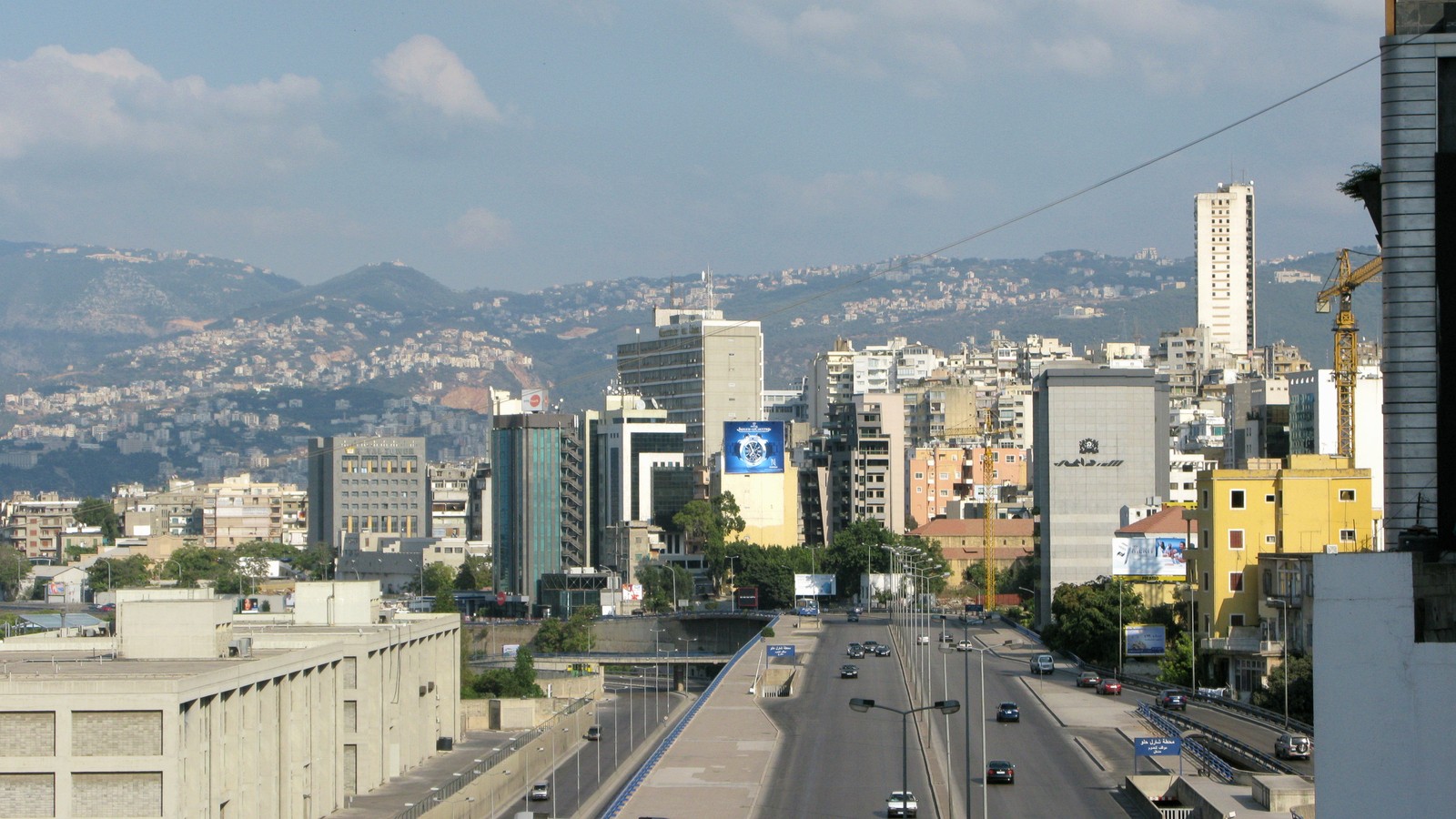
AP reported that Israel hit central Beirut and other parts of Lebanon hours after the ceasefire announcement, with Lebanon's health ministry saying at least 182 people were killed and 890 wounded. AP described it as the deadliest day in the latest Israel-Hezbollah war.
The same report said Trump told PBS NewsHour that Lebanon was not part of the deal because of Hezbollah, calling it 'a separate skirmish.' The quote became the public explanation for why the ceasefire looked broad in one statement and narrow on the ground.
The scope fight was the story, not a side dispute
A ceasefire announced one way and enforced another way is not a messaging glitch. It is a substantive problem that can decide who lives under the umbrella of restraint and who does not.
Lebanon belongs at the center of this record. The dispute over whether the deal covered Lebanon was not secondary commentary after the fact. It was the clearest early test of what the ceasefire meant in practice.
The deal was already unstable because Lebanon and Hormuz were linked
AP's wider April 8 war coverage said the ceasefire appeared to hang by a thread once Lebanon violence resumed and Iran again moved on the Strait of Hormuz. The Lebanon front and the Hormuz front were both active fault lines in the same truce window.
The ceasefire was not a settled peace. It was a contested arrangement with contradictory public terms, and the contradiction showed up almost immediately in Lebanon.
Sources & records
Reviewed by Standards Review. Updated April 13, 2026.
- AP: Trump uses the language of annihilation to threaten Iran
AP's April 8 report on Trump's 'whole civilization' threat and his later pullback to a two-week ceasefire framework.
- AP: 182 killed as Israel strikes Beirut after saying Iran truce doesn't apply there
AP's April 8 Beirut reporting tying the Lebanon strikes directly to the dispute over whether the Iran ceasefire covered Lebanon.
- AP: Ceasefire threatened as Israel expands Lebanon strikes and Iran closes the strait again
AP's broader April 8 war update on the deal hanging by a thread once Lebanon violence resumed and Hormuz became leverage again.
- Axios: Vance says Lebanon was not included
Axios reporting that Pakistan publicly described the ceasefire as applying everywhere, including Lebanon, while Vance later said the U.S. Never made that promise and Netanyahu had raised Lebanon with Trump before the announcement.