The real public record is dangerous enough without inflating it
AP reporting already documents a serious conflict: Iranian strikes hit U.S. And Gulf targets, American troops were wounded, oil markets convulsed, and diplomats were still trying to keep the Strait of Hormuz open.
The war-risk lane is already real. The publishable question is which claims are in the public record and which ones outrun it.
U.S. positions have been hit, but not every destruction claim is established
AP reported that about 12 hours into the war, the U.S. Military was still describing only minimal damage at its Middle East bases despite hundreds of Iranian missile and drone attacks. Later, AP reported that Iranian missiles damaged two planes at Prince Sultan Air Base in Saudi Arabia and wounded 10 American service members there, with more than 300 U.S. Service members wounded in the conflict overall.
The sourced battlefield record includes damaged aircraft, wounded service members, missile and drone attacks, and minimal-damage statements from the U.S. Military. It does not include documentation that 27 American bases were destroyed, the Fifth Fleet was obliterated, or every Gulf logistics hub was rendered permanently unusable.
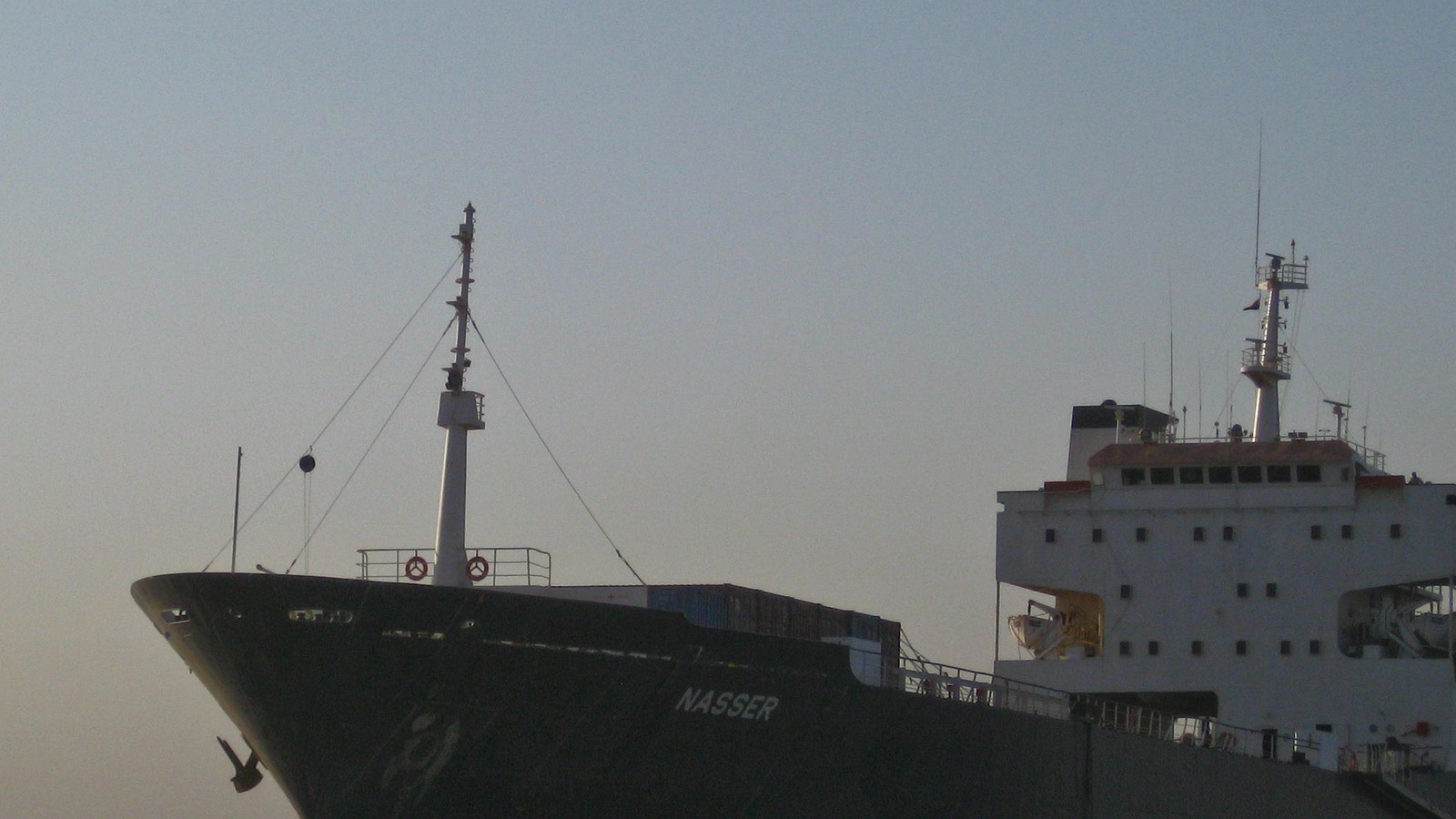
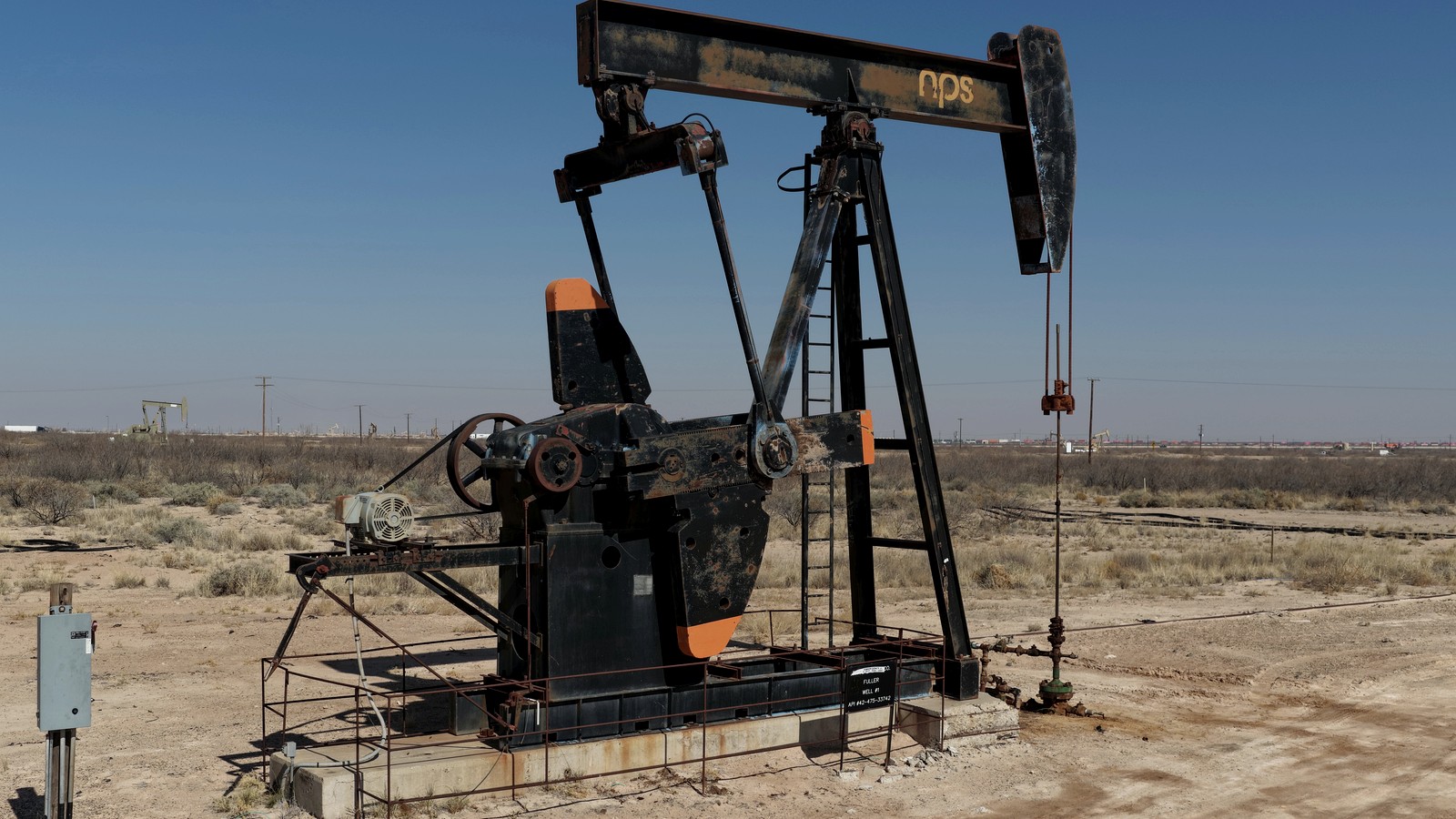
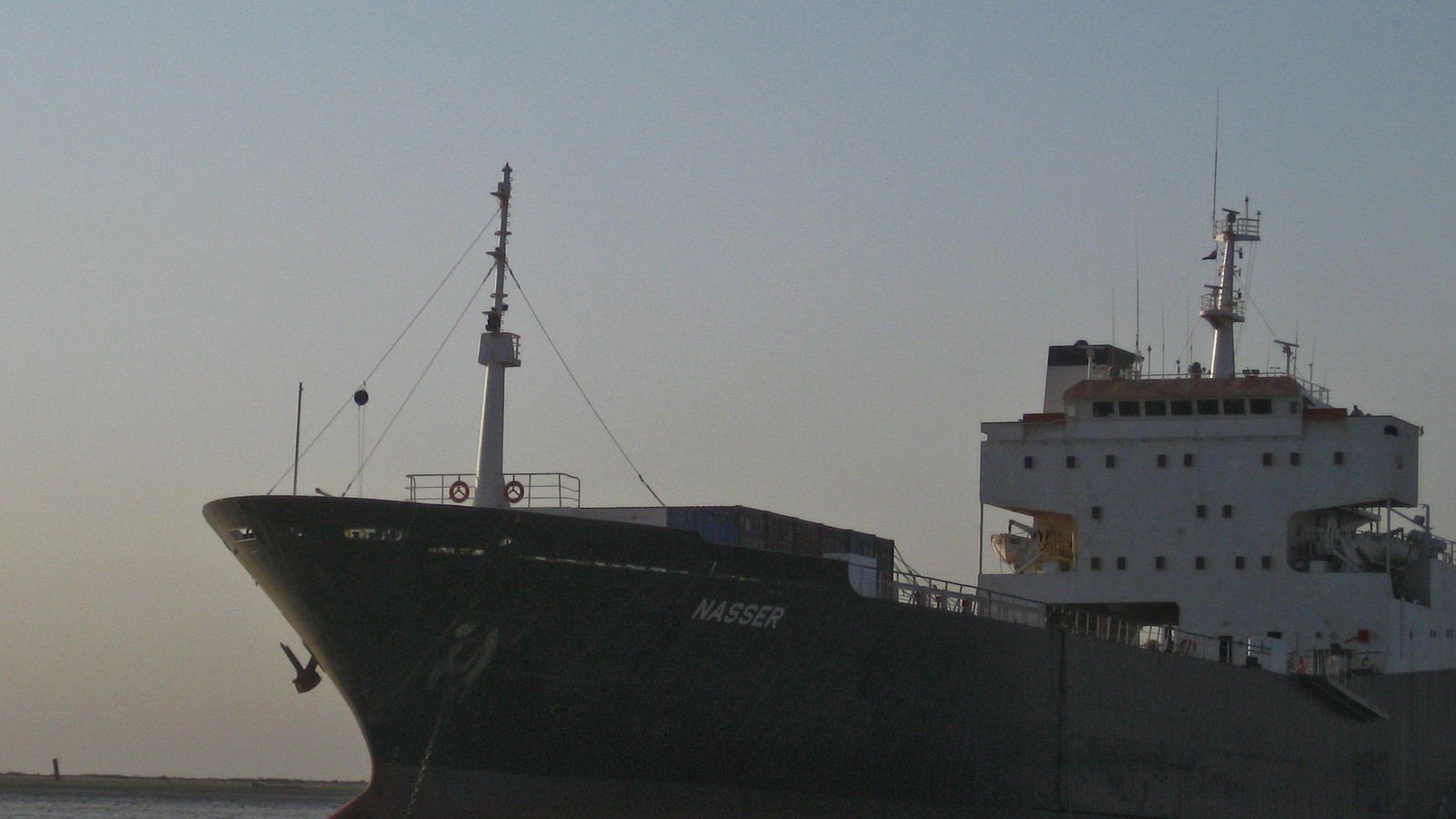
The oil and shipping shock is documented in the market record
AP's economic reporting says Brent crude briefly jumped above $119 a barrel during the war before easing after the ceasefire, and that roughly one-fifth of the world's oil normally moves through the Strait of Hormuz. Shipping, insurance, and commodity markets reacted so violently.
The economic shock is measurable in oil, shipping, insurance, and commodity coverage. Specific refinery-fire or regional-shutdown claims still need their own documentation.
The verification gap is part of the war record
In fast-moving conflicts, the most shareable claims are often the hardest ones to verify: fleet destruction, total base loss, hidden alliances, or decisive battlefield swings that would transform the map overnight.
The public record already supports a serious crisis. Inflated claims only make the documented one harder to read.
China and Russia are involved, but mostly through diplomacy and veto power in the open record
AP reported that China presented a five-point proposal calling for a ceasefire and negotiations. AP also reported that Russia and China vetoed a U.N. Resolution that would have authorized reopening the Strait of Hormuz by force. That is real involvement.
The public record points to diplomacy, energy interests, and U.N. Leverage. It does not show China entering the war with aircraft, direct battlefield intervention, or an announced military alliance with Iran.
Sources & records
Reviewed by Standards Review. Updated April 13, 2026.
- AP: Hundreds of Iranian strikes hit the region while the U.S. first reported minimal base damage
Associated Press war update used for the early U.S. Assessment of minimal damage at bases despite large Iranian missile and drone barrages.
- AP: Iran attacks Saudi base, wounding 10 U.S. troops and damaging aircraft
AP reporting used for the later Saudi-base strike, the 10 wounded U.S. Troops there, and the broader total of more than 300 wounded U.S. Service members in the conflict.
- AP: China presents five-point plan as oil and economic pressure rise
AP reporting used for China's public role in the conflict: diplomacy, not open battlefield entry, plus the one-fifth-of-global-oil-through-Hormuz frame.
- AP: Russia and China veto U.N. move to reopen Hormuz by force
U.N. Coverage used for the actual public role of Moscow and Beijing in the current phase: veto power and diplomatic leverage rather than direct entry into the war.
- AP: War shock pushes Brent above $119 before easing after the ceasefire
AP economic reporting used for the oil-shock lane, including the Brent spike above $119 and the continuing damage to Europe and shipping confidence.
- AP: European leaders try to stabilize the ceasefire and reopen Hormuz
AP's post-ceasefire reporting used for the continuing diplomatic scramble around Lebanon, Hormuz, and the wider regional spillover.