Public comment runs through April 20, 2026
The U.S. Army Corps of Engineers says the Draft Environmental Impact Statement for the NEXT Renewable Fuels Oregon project is out for public comment until April 20, 2026. The federal permit decision is not finished, and the public record is still open to farmers, fishers, neighbors, workers, and anyone else who can speak to what Port Westward is on the ground.
The Corps is the lead federal agency here. Its own page says a final decision cannot be made until the environmental review is complete, and that its eventual options are to issue the permit, issue it with modifications, or deny it.
The official project description is industrially huge, even before the marketing language starts
According to USACE and DEQ, the proposed facility would be capable of producing up to 50,000 barrels per day of renewable diesel and other fuel products. The federal project description includes a hydrogen facility, natural gas pipeline, rail spur and access road, four pipelines to the existing wharf, 21 tanks, storm and process water systems, and thousands of deep pile foundations.
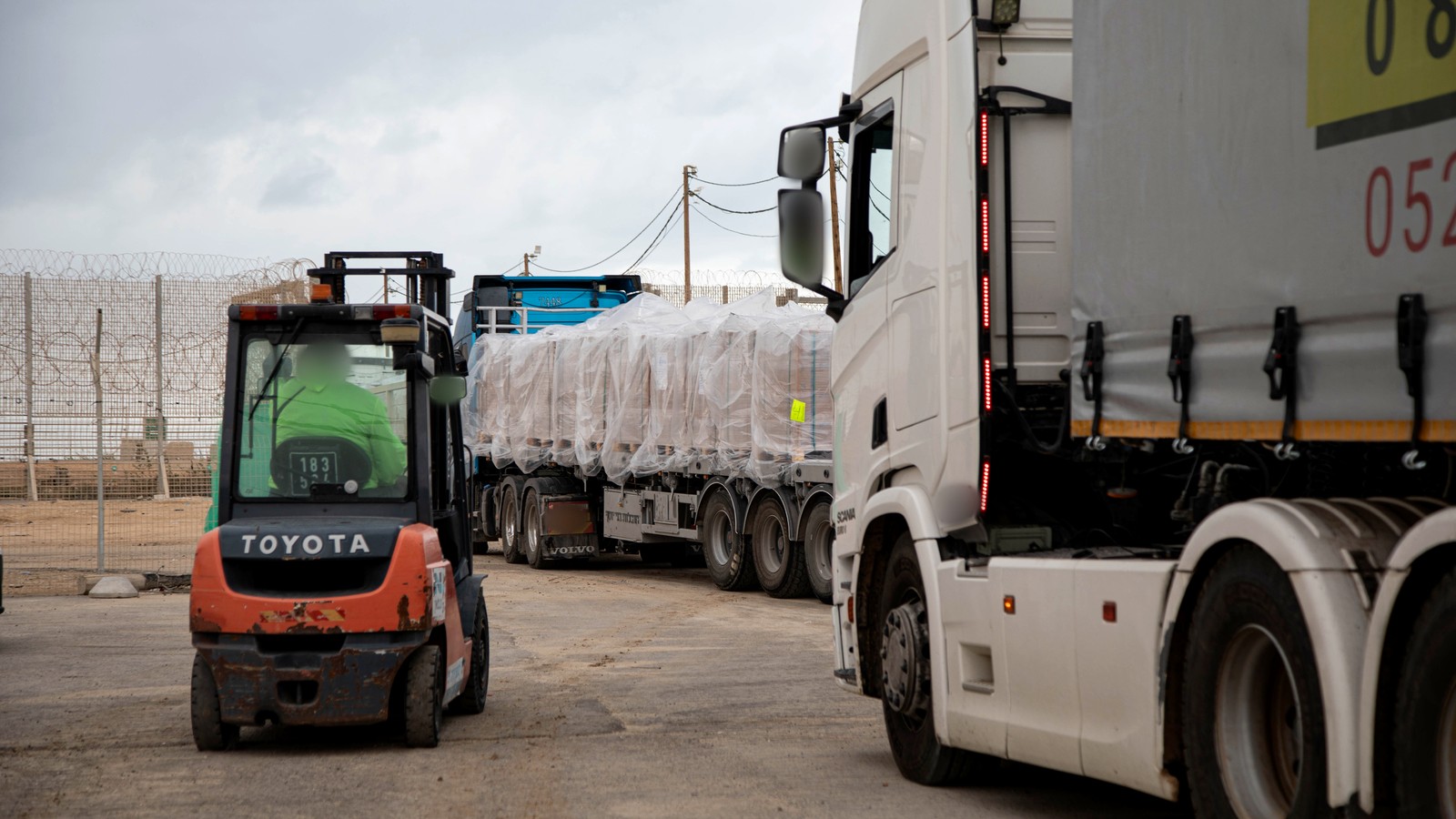
The transport numbers are also not abstract. USACE says the project would involve up to 115 incoming vessels a year, up to 56 outbound ocean-going vessels a year, up to 208 trains a year, and up to 720 trucks a year.
The reason this is a wetlands fight is simple: the federal numbers are large
USACE says the project would permanently fill 104.3 acres of wetlands and 0.87 acres of other waterways, while temporarily filling another 31.51 acres of wetlands. The Corps also says the mitigation plan would enhance 466.10 acres of wetlands currently used for agriculture and silviculture.
The core federal permit question is dredge-and-fill impacts to waters of the United States.
The fish and river record is more complicated than either side's slogan
NOAA's March 20, 2025 biological opinion says the project would adversely affect essential fish habitat for Pacific Coast salmon and groundfish, and that the action is likely to adversely affect multiple listed species and critical habitats. At the same time, NOAA concluded the project is not likely to jeopardize the survival or recovery of those species or destroy or adversely modify critical habitat.
The official record pairs adverse-effect findings with NOAA's conclusion that the project is not likely to jeopardize survival or recovery or destroy or adversely modify critical habitat.
This permit trail has already been rougher than a simple green-light story
DEQ's own project page says the agency denied NEXT's 401 water quality certification without prejudice in 2021 and again in 2022 after stating it lacked enough information to evaluate the application. DEQ says NEXT resubmitted in January 2024 and ultimately received a 401 certification on January 7, 2025. DEQ also says the project still needs both construction and industrial stormwater permits before construction can begin.
State regulators had already sent the water-quality file back twice before the current Corps comment period.
The Corps still has to bundle wetlands, traffic, habitat, and mitigation
The Corps still has to weigh wetlands impacts, vessel and rail movement, habitat findings, mitigation plans, and the altered project design in one federal record. This review still matters even after years of earlier permit activity. The final federal call has not been made yet.
Public comments grounded in farming, fishing, floodplain knowledge, and local infrastructure reality can still enter the final federal file.
Sources & records
Reviewed by Standards Review. Updated April 13, 2026.
- USACE NEXT Renewable Fuels EIS Page
Official U.S. Army Corps of Engineers page for the Port Westward Draft EIS, including the April 20, 2026 comment deadline, project description, transport volumes, and links to all DEIS volumes.
- USACE Special Public Notice - Draft EIS
Official February 20, 2026 public notice describing the Draft EIS, the Corps permit and potential Section 408 permission, the virtual comment meetings, and the wetland and water impacts.
- Oregon DEQ - NEXT Renewable Fuels Project Page
Official state project page showing DEQ denied the 401 certification without prejudice in 2021 and 2022 for insufficient information, then approved a new 401 certification on January 7, 2025, while also describing the still-required stormwater permits and land-use dependencies.
- NOAA Biological Opinion and EFH Response
Official NOAA consultation record concluding the action would adversely affect essential fish habitat for Pacific Coast salmon and groundfish, while finding no jeopardy to listed species or critical habitat.
- Columbia Riverkeeper Petition for Review of DEQ 401 Certification
Filed petition reproducing and challenging DEQ's January 7, 2025 certification, including the state's description of impaired receiving waters, impervious surface area, and other certification details.