The baseline is still pro-Trump, but less secure
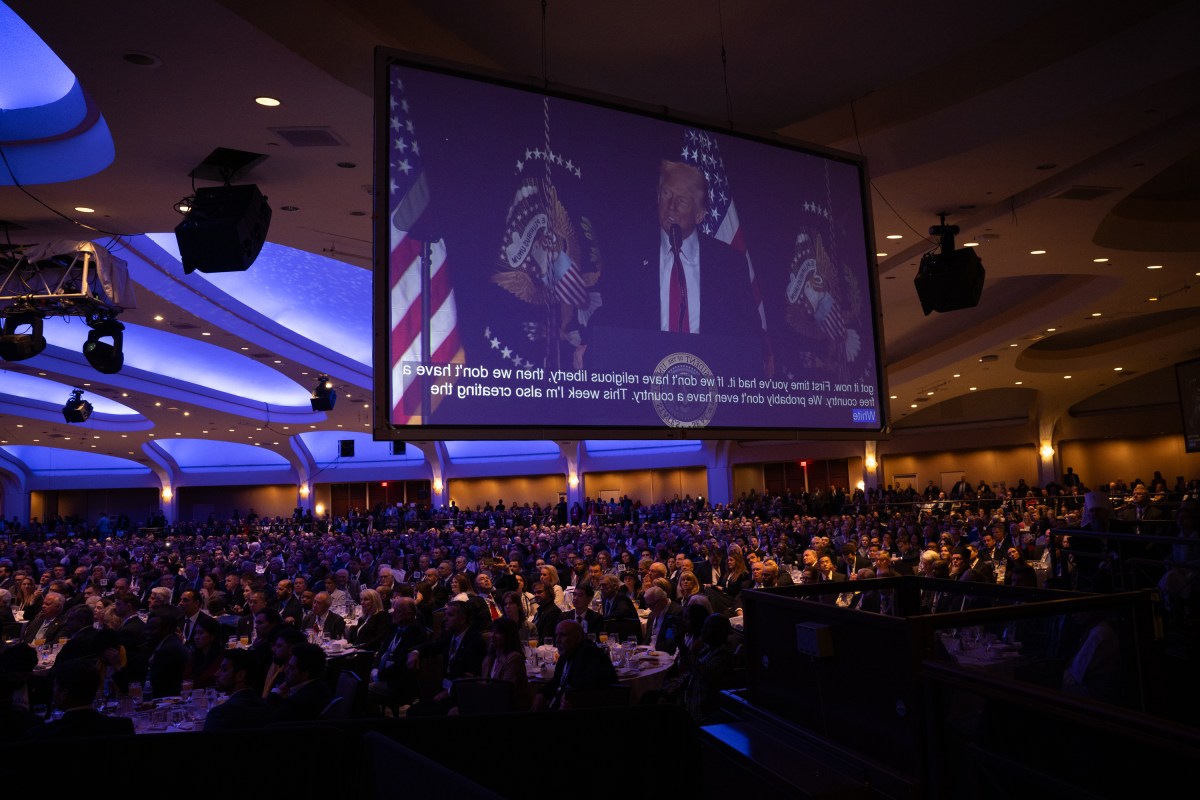
Pew's validated-voter file shows Trump carried Catholics 55% to 43% in 2024. That is the starting point for any 2026 analysis, and it explains why Republicans see Catholics as a core midterm constituency.
But Pew's 2026 religious trendlines also show erosion in White Catholic approval and policy confidence compared with early 2025. The drop is not collapse, yet it is large enough to matter in close districts and statewide races.
Catholic voters are not one political bloc
The Catholic electorate contains White suburban conservatives, working-class ethnic Catholics, Latino Catholics, union households, pro-life Democrats, and voters whose church identity is cultural more than weekly institutional practice.
That makes the pope fight politically tricky. A message that excites evangelical or nationalist voters can still create friction with Catholics who are conservative on some issues but uneasy with attacks on church leadership, migrants, or civilian-protection language.
The pope is popular enough to create political friction
AP-NORC found about two-thirds of Catholics viewed Pope Leo favorably, with fewer than one in ten unfavorable. Direct attacks on Leo are not cost-free inside the same electorate Trump needs to hold.
AP's April 2026 reporting already captured broad Catholic dismay, including among conservative church voices, after Trump's attacks on the first U.S.-born pope.
Backlash can show up without a party switch
The danger for Republicans is not limited to Catholics becoming Democrats overnight. Midterm damage can arrive through lower enthusiasm, split-ticket voting, or a decision to leave one race blank while still voting on other parts of the ballot.
Midterms are margin elections. A small shift among frequent voters in Pennsylvania, Wisconsin, Michigan, Arizona, Nevada, or House districts with large Catholic populations can matter more than a dramatic national swing.
Immigration is the most combustible overlap issue
USCCB's November 12, 2025 special message passed 216-5 with 3 abstentions and explicitly opposed indiscriminate mass deportation and dehumanizing rhetoric. That is a strong institutional signal from bishops, not a fringe statement.
When the White House and bishops collide on migrants while the pope remains personally popular, Catholic voters who are otherwise Republican-aligned can still register protest through turnout drop-off, ticket splitting, or abstention.
The bishops gave the dispute an institutional anchor
It was not just a pundit reaction to Trump. It came from the institutional U.S. Hierarchy and passed by an overwhelming vote, giving parish-level critics a formal church document to point back to.
That creates a different kind of pressure than ordinary partisan outrage. Candidates can dismiss cable-news criticism; it is harder to dismiss bishops, parish networks, Catholic charities, and local clergy when they are speaking from the same moral vocabulary voters hear at church.
Midterm risk is a margin story, not a landslide story
No serious dataset here says Catholics are about to move as one bloc. The realistic scenario is narrower: enough movement at the edges to shift a few battleground contests.
The Trump-Leo clash is strategically relevant in 2026. In a low-turnout midterm, a two-to-five-point wobble among high-propensity Catholic voters can decide control margins long before it looks dramatic in national headlines.
Sources & records
Reviewed by Standards Review. Updated April 23, 2026.
- Pew Validated-Voter Report On 2024 Vote Patterns
Used for the 55%-43% Catholic vote split in 2024 and the voter-switching context.
- Pew January 2026 Religious-Group Trendlines
Used for White Catholic approval, policy-support, and ethics-confidence movement from early 2025 into 2026.
- AP-NORC Poll On Pope Leo Favorability
Used for Catholic favorability toward Pope Leo and cross-party attitudinal context.
- AP On Catholic Dismay After Trump's Attack On Leo
Used for the April 2026 political context that Catholic dismay extended across ideological and clerical lines.
- AP On Leo's April 18, 2026 Response
Used for Leo's line that he was not interested in a personal debate with Trump.
- USCCB Special Message Press Release (Nov. 12, 2025)
Used for the bishops' vote count and the text opposing indiscriminate mass deportation and dehumanizing rhetoric.
- USCCB Special Pastoral Message Text
Used for direct wording of the bishops' immigration message adopted in Baltimore.