The money story is mostly off the range
BLM's own Program Data page says off-range holding cost $101 million in FY2024 and consumed 66 percent of all Wild Horse and Burro Program expenditures. Gathers and removals, by contrast, were only $8 million or 5 percent of spending that year.
The biggest financial commitment is paying to keep removed animals somewhere else, not chasing horses, treating habitat, or expanding fertility control.
And there were already tens of thousands of animals in that holding system
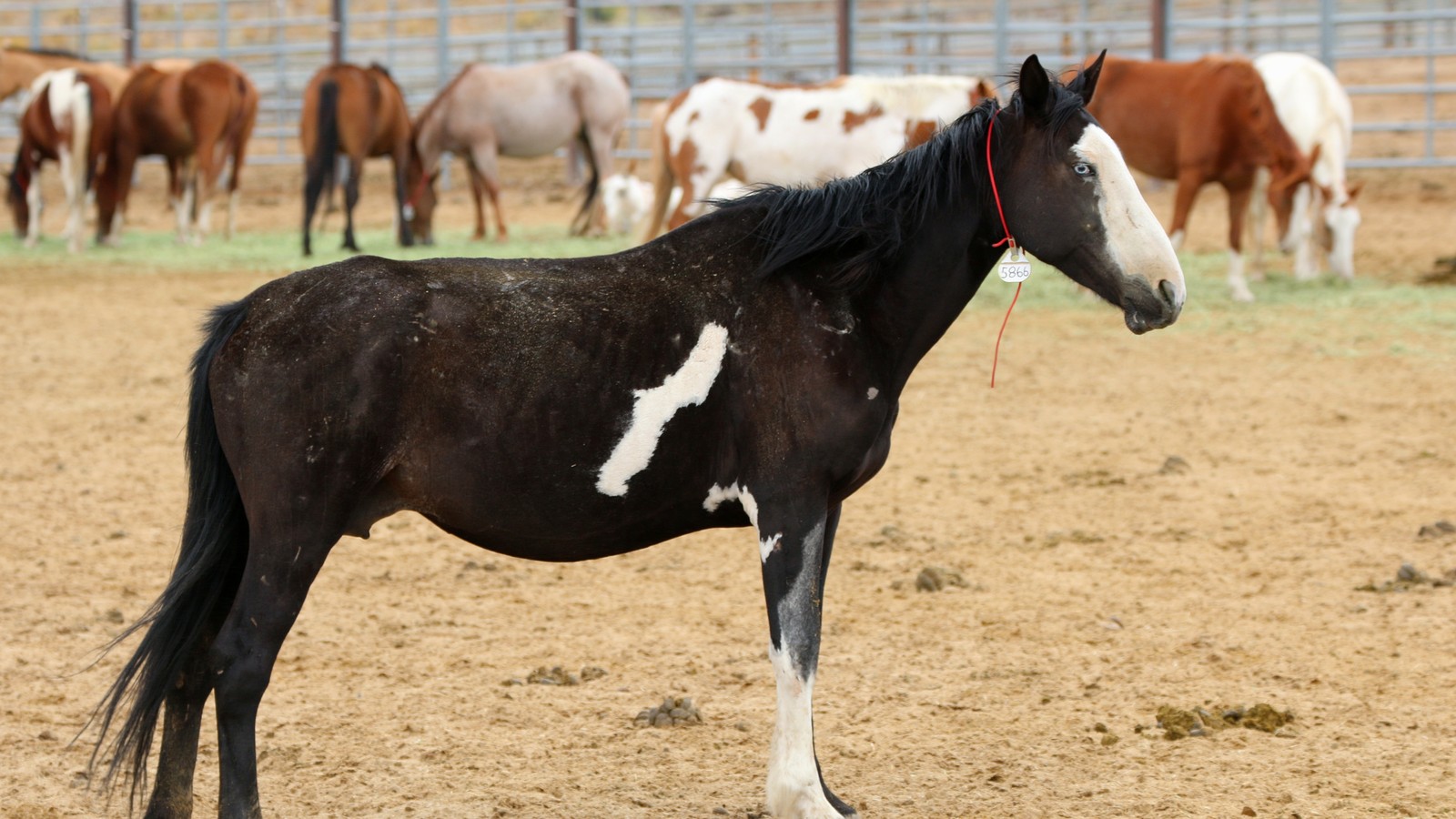
BLM's January 2025 program update said 68,097 wild horses and burros were already in off-range corrals, pastures, and public pastures. The agency was still talking about additional off-range pasture and corral solicitations at the same time.
The holding system is not a marginal overflow valve. It is a permanent parallel infrastructure that grows as removals continue.
Once holding dominates the budget, storage becomes the program
A range-management program sounds like a public-lands ecology story until the spending record shows most of the money landing after the animals are gone.
At that point the system functions less like temporary intervention and more like a removal-and-storage regime with ecology attached to it.
Federal award records show who some of the recent recipients are
USAspending shows BLM awarded Grand Eagle Summit LLC a $2.2776 million 2025 bridge contract for off-range pasture services. The same federal award system shows a $2.29658 million 2025-2026 task order to Vestring Ranch and a $1.802096 million 2025-2026 task order to Tadpole Cattle Co. Inc. For off-range pasture work.
'Holding costs' can sound abstract until you follow the awards. These are real federal payments to private operators whose business role exists because removed horses have to be housed, fed, and managed somewhere.
The roundup fight is also a contract story
Once BLM removes an animal, the public cost does not end at the helicopter or the gather. The program then needs a corral, a pasture, transport, feed, veterinary support, and contract administration. A removal-heavy system naturally becomes a vendor-heavy system too.
The financial incentives push the debate beyond range ecology and into procurement.
Sources & records
Reviewed by Standards Review. Updated April 13, 2026.
- BLM Program Data Page
Official BLM source used for the FY2024 budget table, including the $101 million off-range holding figure and the 66 percent share of spending.
- BLM January 2025 Program Update PDF
Official BLM update used for the 68,097 animals already in off-range holding and for the agency's own discussion of additional off-range pasture and corral solicitations.
- BLM Wild Horse And Burro Landing Page
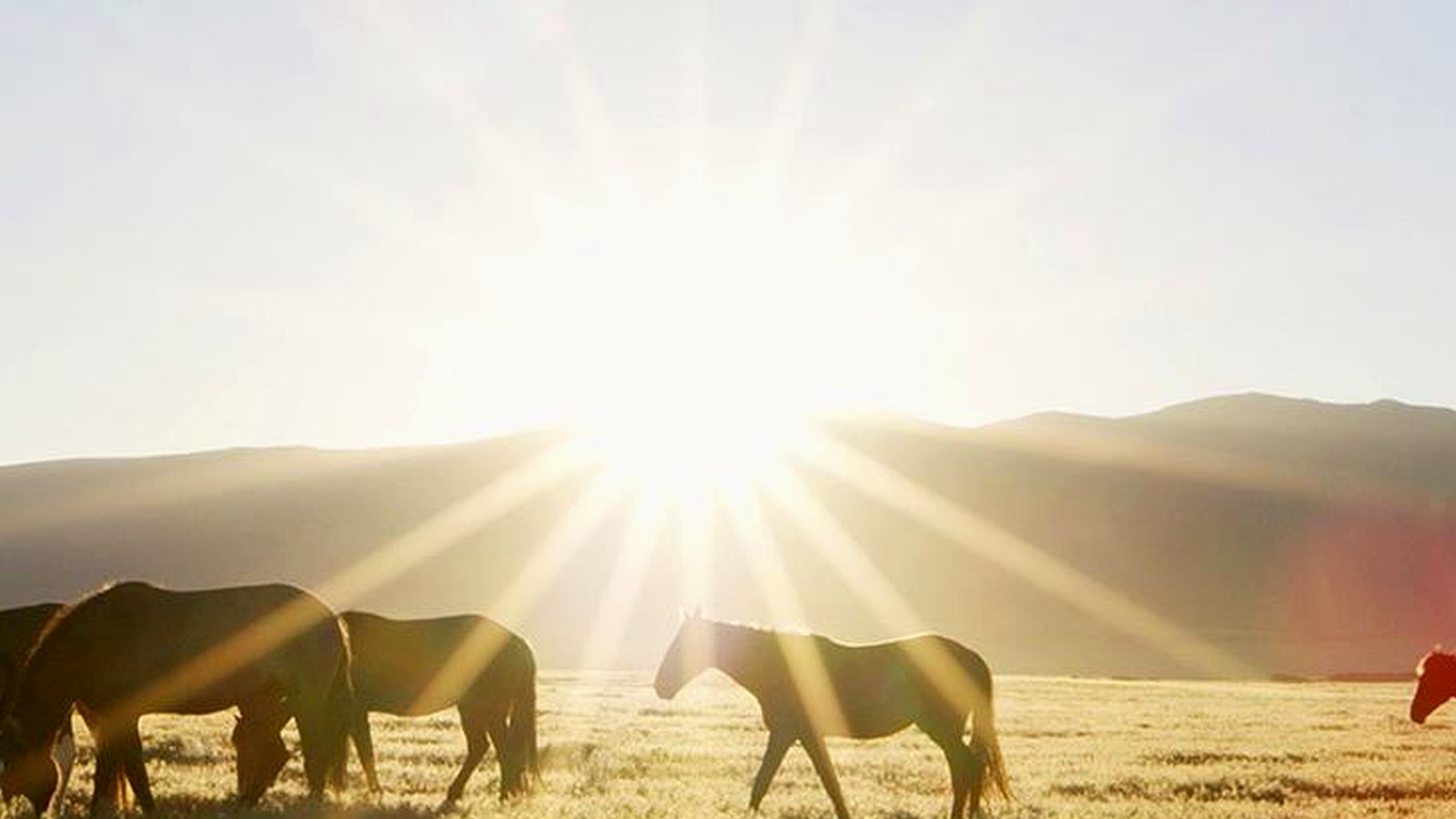
Official BLM page used for the program overview and hero image source.
- USAspending Award Page: Grand Eagle Summit LLC
Federal award record used for the 2025 off-range pasture bridge contract to Grand Eagle Summit LLC.
- USAspending Award Page: Vestring Ranch
Federal award record used for the 2025-2026 off-range pasture task order to Vestring Ranch.
- USAspending Award Page: Tadpole Cattle Co.
Federal award record used for the 2025-2026 off-range pasture task order to Tadpole Cattle Co. Inc. Totaling more than $1.8 million.