The lower-river number alone is already large
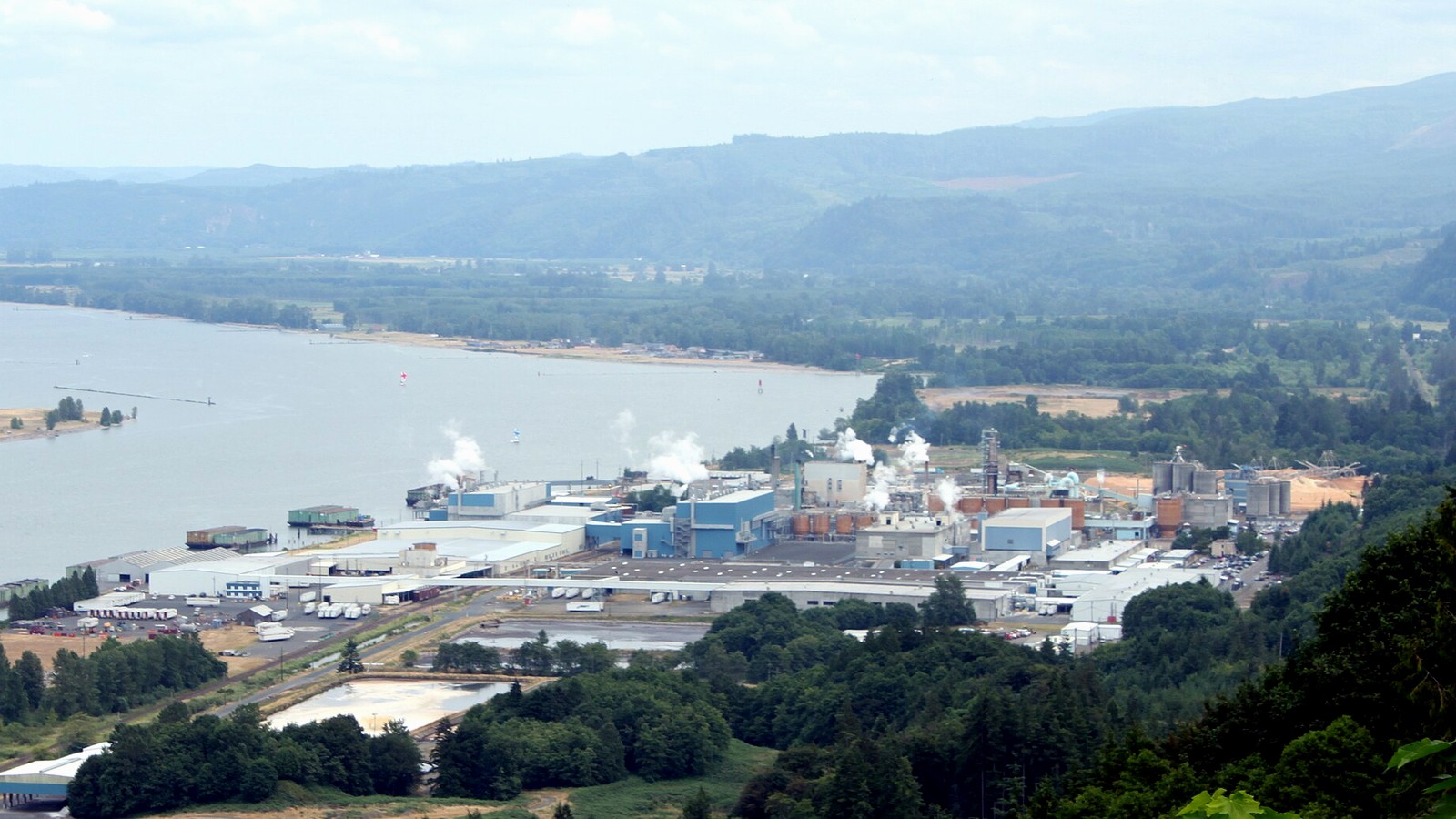
The U.S. Army Corps of Engineers says the Columbia River channel and adjacent lower Willamette move roughly 51.6 million tons of cargo a year with an annual cargo value of about $16 billion.
A 365-day scale estimate puts roughly $44 million a day in freight value through that lower-river corridor. The figure measures cargo value in motion, not final direct loss.
If disruption spread beyond the lower river, the number gets bigger
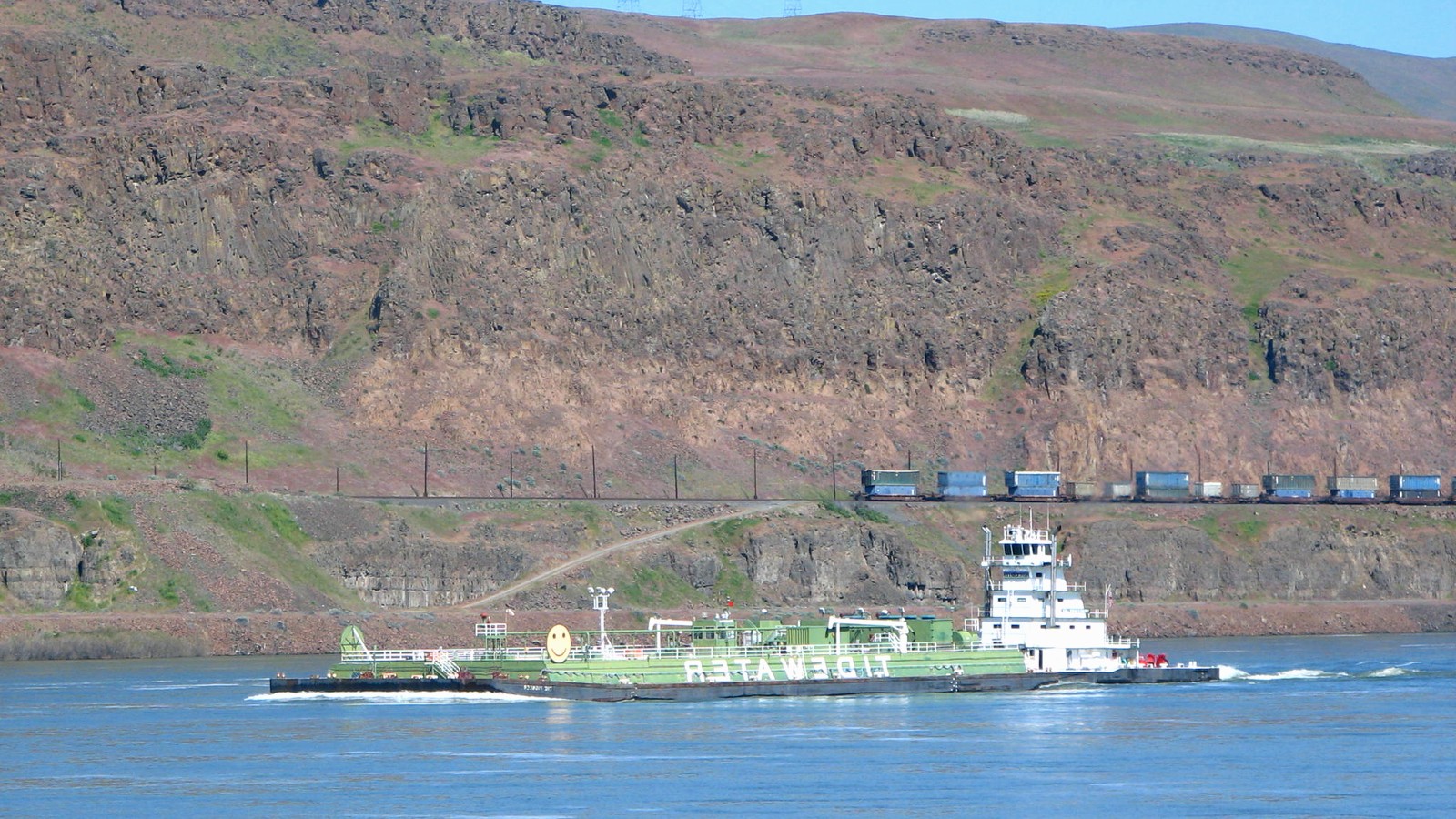
A Corps planning record says the wider Columbia-Snake River Navigation System moves over 50 million tons of cargo worth about $24 billion annually.
The same 365-day scale estimate puts the wider Columbia-Snake system at about $66 million a day in freight value. A spill or shutdown on the lower Columbia could delay cargo across the regional navigation system.
Washington already says spills can halt commerce
Washington Ecology's oil-spill pages say spills can halt commerce, damage natural resources, close fisheries, and trigger expensive cleanup.
On the Columbia, the commerce lane sits beside habitat, drinking-water, treaty-resource, and fishery questions. A spill-cost file starts with cargo delay before cleanup, fisheries, port disruption, and other knock-on costs are counted.
Port Westward makes the shipping question part of this review
The Corps says the NEXT Renewable Fuels project could involve up to 171 ocean-going vessel movements a year through the existing Port of Columbia dock. The river-traffic question is already built into the federal review, not something critics invented later.
The Port Westward story is about more than wetlands alone. If a project adds industrial throughput and vessel traffic to a shared interstate river corridor, the shipping-risk story belongs in the public record too.
Delay value is not abstract when the corridor is this busy
A shutdown does not need to destroy every dollar in motion to become a serious economic event. It only needs to stall enough commerce on a corridor this large for the regional consequences to spread fast.
The river carries enough cargo value for interruption risk to belong in the same file as wetlands, fisheries, emergency response, and vessel traffic.
Sources & records
Reviewed by Standards Review. Updated April 14, 2026.
- USACE - Columbia and Lower Willamette Navigation Channel
Official Corps page saying the Columbia River channel and adjacent lower Willamette move roughly 51.6 million tons of cargo a year with an annual cargo value of about $16 billion.
- USACE Joint Public Notice / Lower Columbia River Channel Maintenance Planning Record
Official Corps planning record saying the Columbia-Snake River Navigation System moves over 50 million tons of cargo worth about $24 billion annually and noting the national significance of the lower river.
- Washington Ecology - Oil Spills
Official Washington page warning that spills can halt commerce, damage natural resources, close fisheries, and require expensive cleanup.
- USACE NEXT Renewable Fuels EIS Page
Official Corps page for the active Draft EIS, including the April 20, 2026 comment deadline and the project's projected vessel movements through Port Westward.