Washington says lower Columbia commercial fishing is still an active community economy
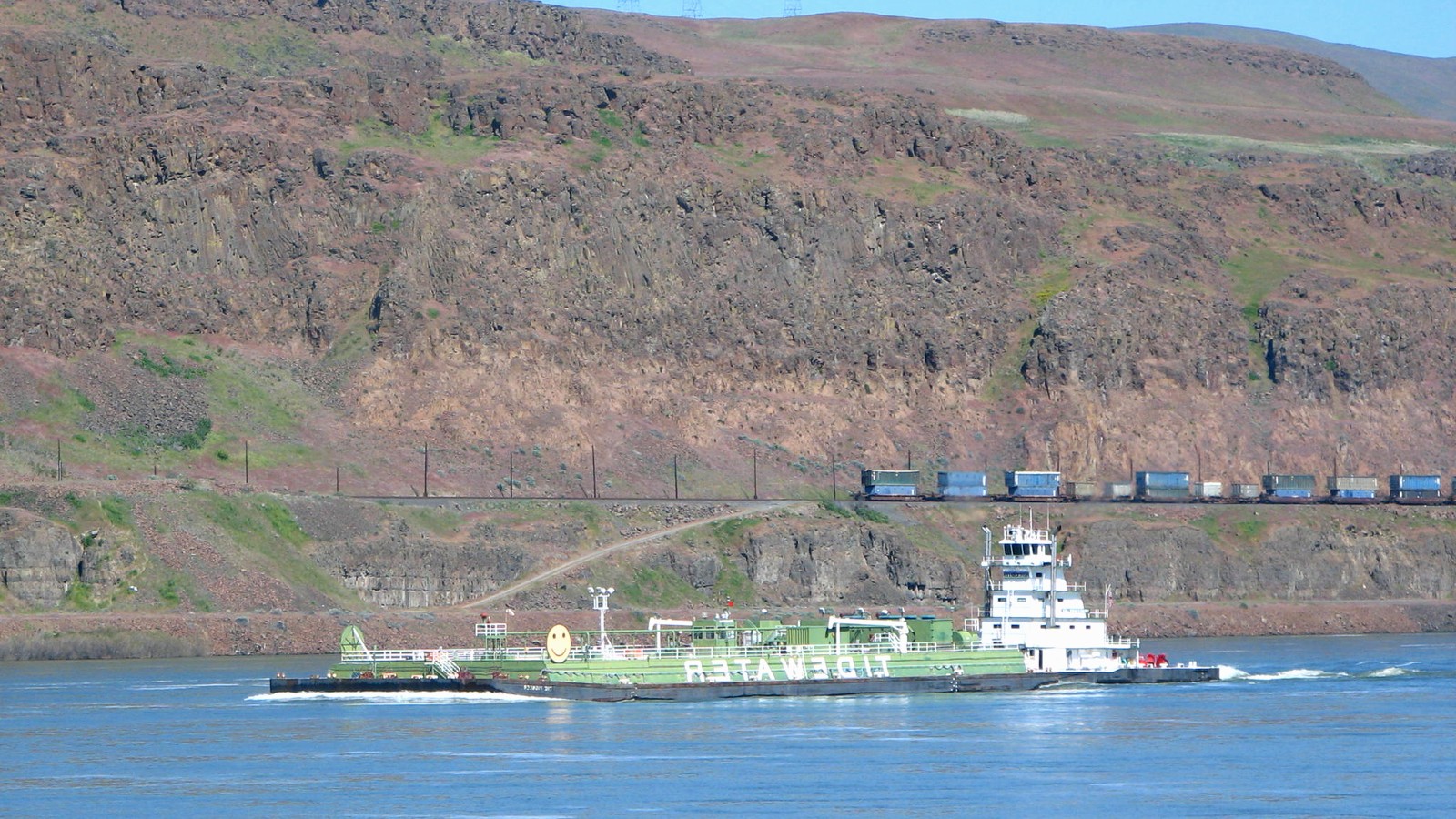
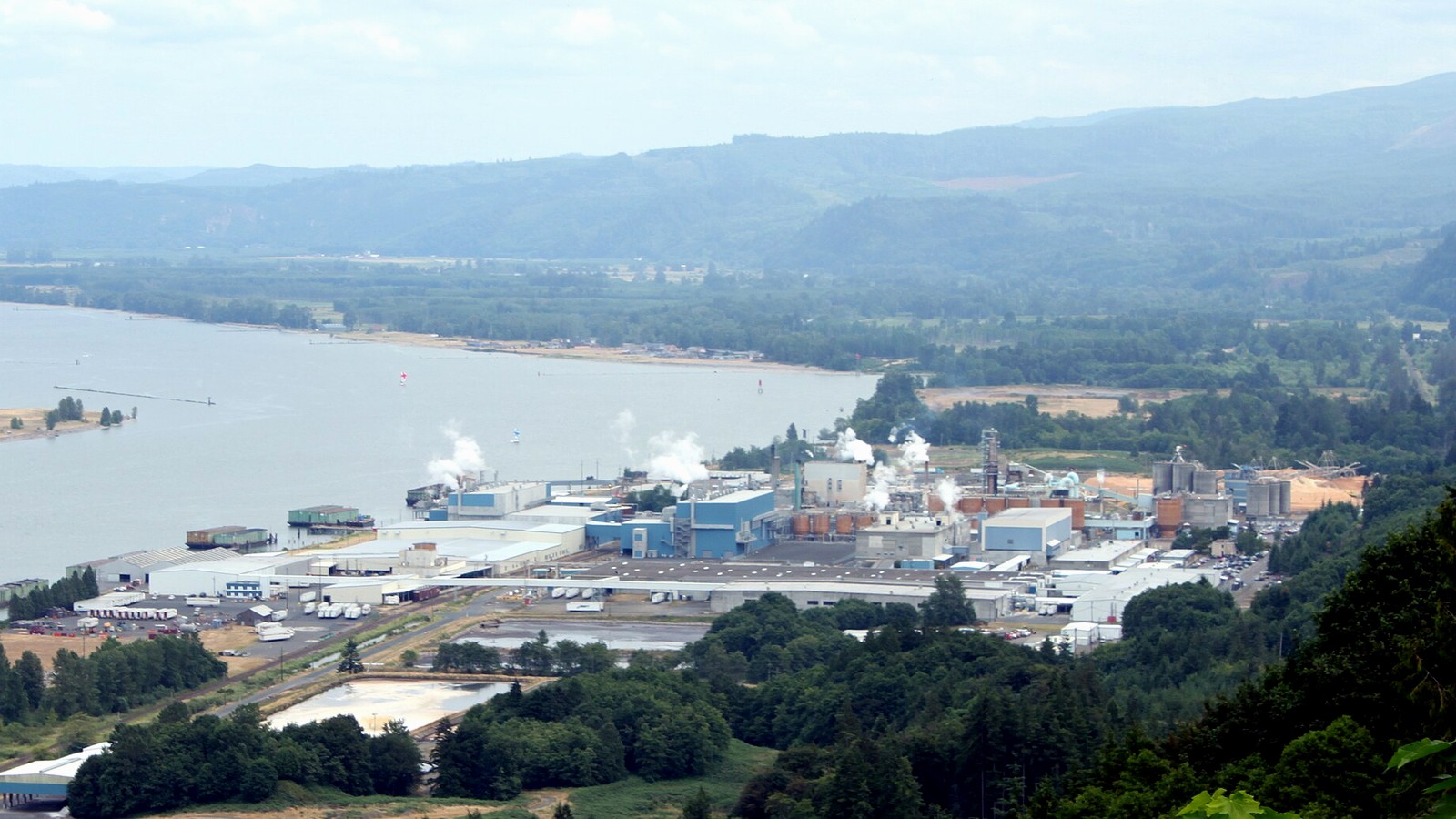
Washington's fish-and-wildlife agency says commercial fishing on the Columbia River continues today and supports the economic well-being of communities along the river.
The state record identifies the lower Columbia as a working fishery and a historic fishing landscape.
Oregon's recent records show how much salmon value has already been pushed into Columbia fisheries
ODFW's 2024 executive summary says that because of the 2023 ocean troll closure, 92 percent of Oregon salmon landings ex-vessel value came from Columbia River non-Indian and tribal net fisheries. The same summary notes that Columbia River spring Chinook fills a premium niche market.
ODFW's 2023 value split puts recent salmon revenue directly into the Columbia River net-fishery lane.
The federal habitat review already names fish impacts
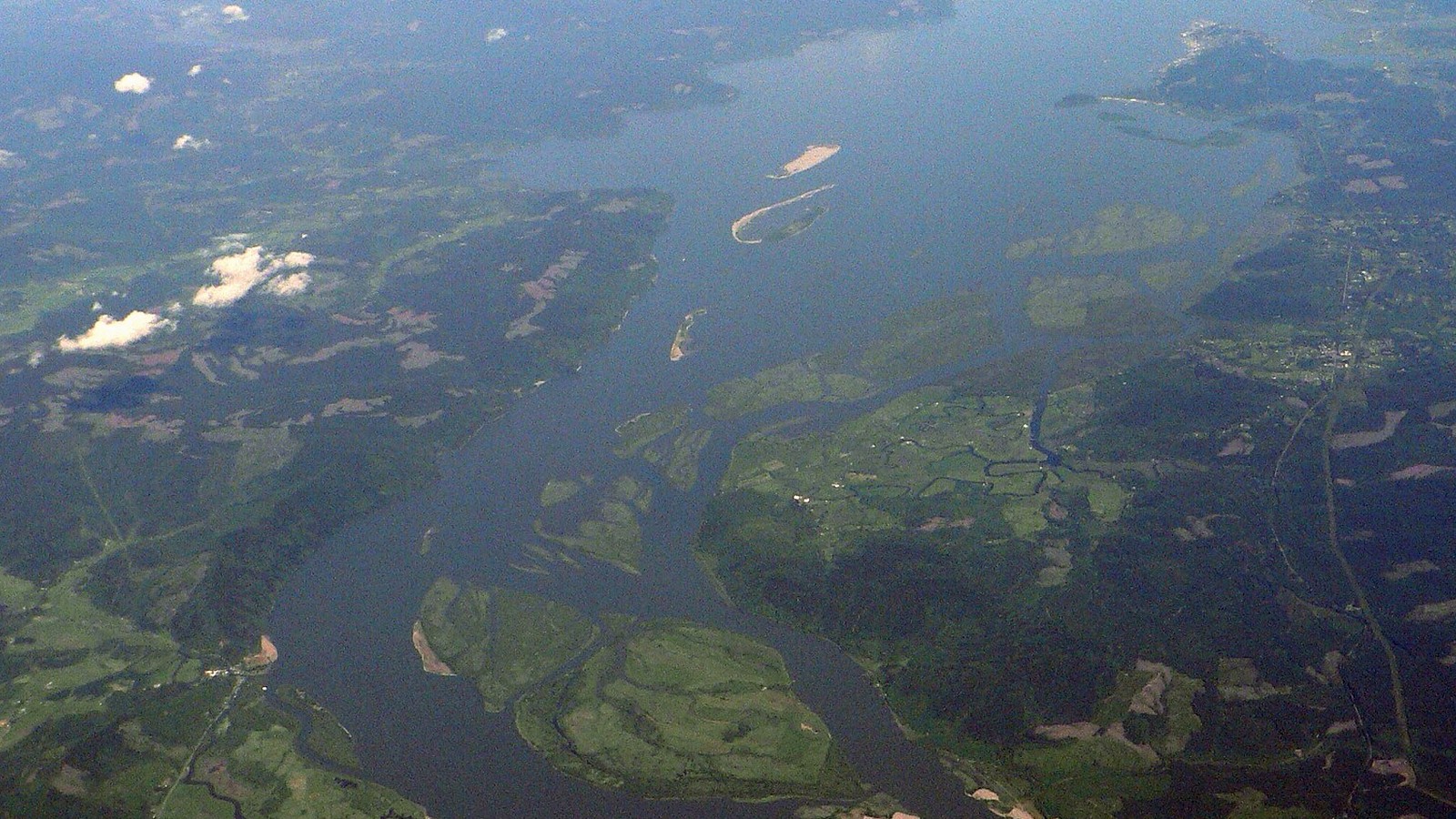
NOAA's consultation record says the project would likely adversely affect 23 listed species or distinct population segments and would adversely affect essential fish habitat. NOAA also says the project area includes roughly 10,000 linear feet of waterways that drain floodwater and supply irrigation water to farms.
The same local system people use to talk about farm water and flood management is also part of the fish-habitat story.
Sources & records
Reviewed by Standards Review. Updated April 14, 2026.
- NOAA Fisheries - Estuary Habitat
Official NOAA page saying estuaries provide habitat for about 68 percent of the U.S. Commercial fish catch and support jobs, shipping, and commercial fishing.
- NOAA Biological Opinion and EFH Response
Official NOAA consultation record finding likely adverse effects to 23 listed species or DPSs, adverse effects on essential fish habitat, and describing irrigation and drainage waterways connected to farms.
- Washington Department of Fish and Wildlife - Columbia River commercial fisheries
Official Washington page saying commercial fishing on the Columbia River continues today and supports the economic well-being of communities along the river.
- ODFW Oregon Fishing Industry Executive Summary
Official Oregon summary saying that because of the 2023 ocean troll closure, 92 percent of Oregon salmon landings ex-vessel value came from Columbia River non-Indian and tribal net fisheries, and noting the premium market for Columbia River spring Chinook.
- ODFW/WDFW Joint Columbia River Harvest Management record
Joint state policy record describing Columbia fisheries as very important to state economies and citing average commercial ex-vessel values of about $4.8 million during 2010 to 2017.