The Corps opened the Draft EIS docket through April 20
The Army Corps says the Draft EIS comment period stays open through April 20, 2026 and that it held two virtual public comment meetings on April 2 and April 3.
The Clatskanie Farmer Collective has assembled a review page that points commenters to agency filings, technical comments, and Draft EIS sections.
Local submissions center levees, drainage, and farm water
The Clatskanie review page links Beaver Drainage Improvement Company comments on farmland, conservation easements, drainage, wetlands, and flood risk.
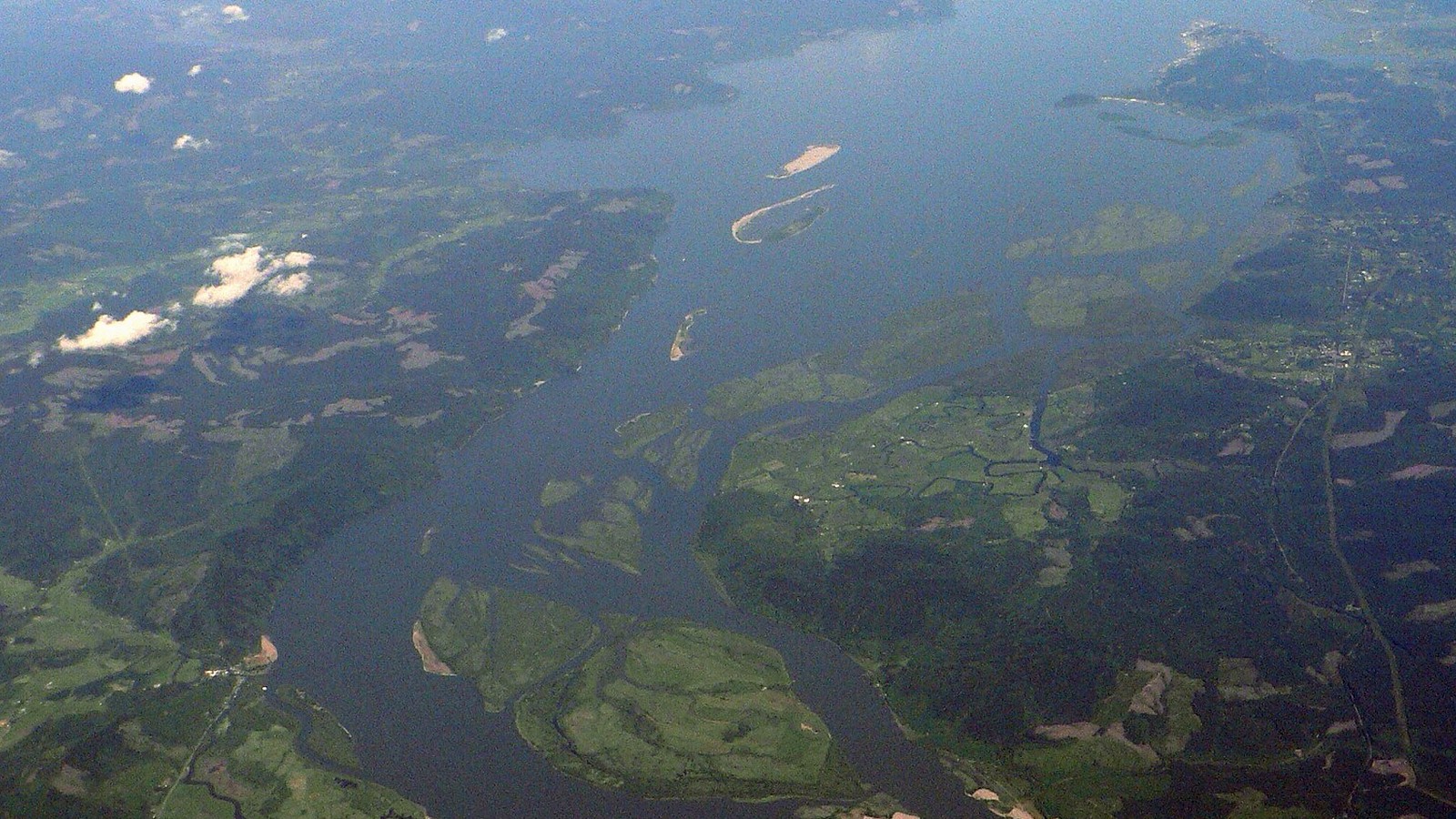
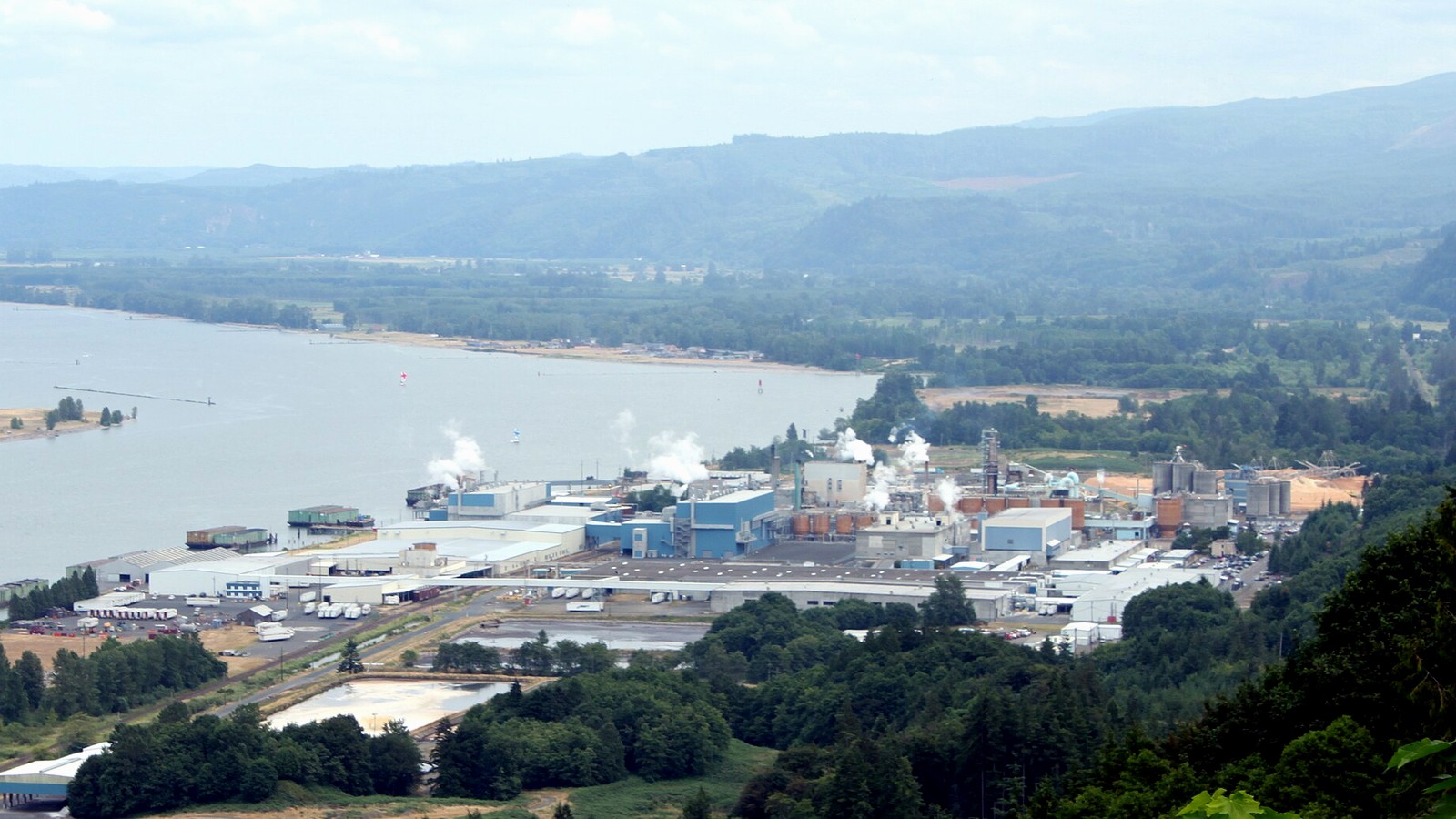
The Corps Draft EIS says the project proposes more than 104 acres of permanent wetland fill. NOAA's consultation record says the site includes irrigation and drainage waterways tied to farm operations.
The comment file also presses transport and emissions questions
The Clatskanie materials link emissions analysis, hydrology, stormwater, seismic safety, emergency response, rail traffic, and road traffic.
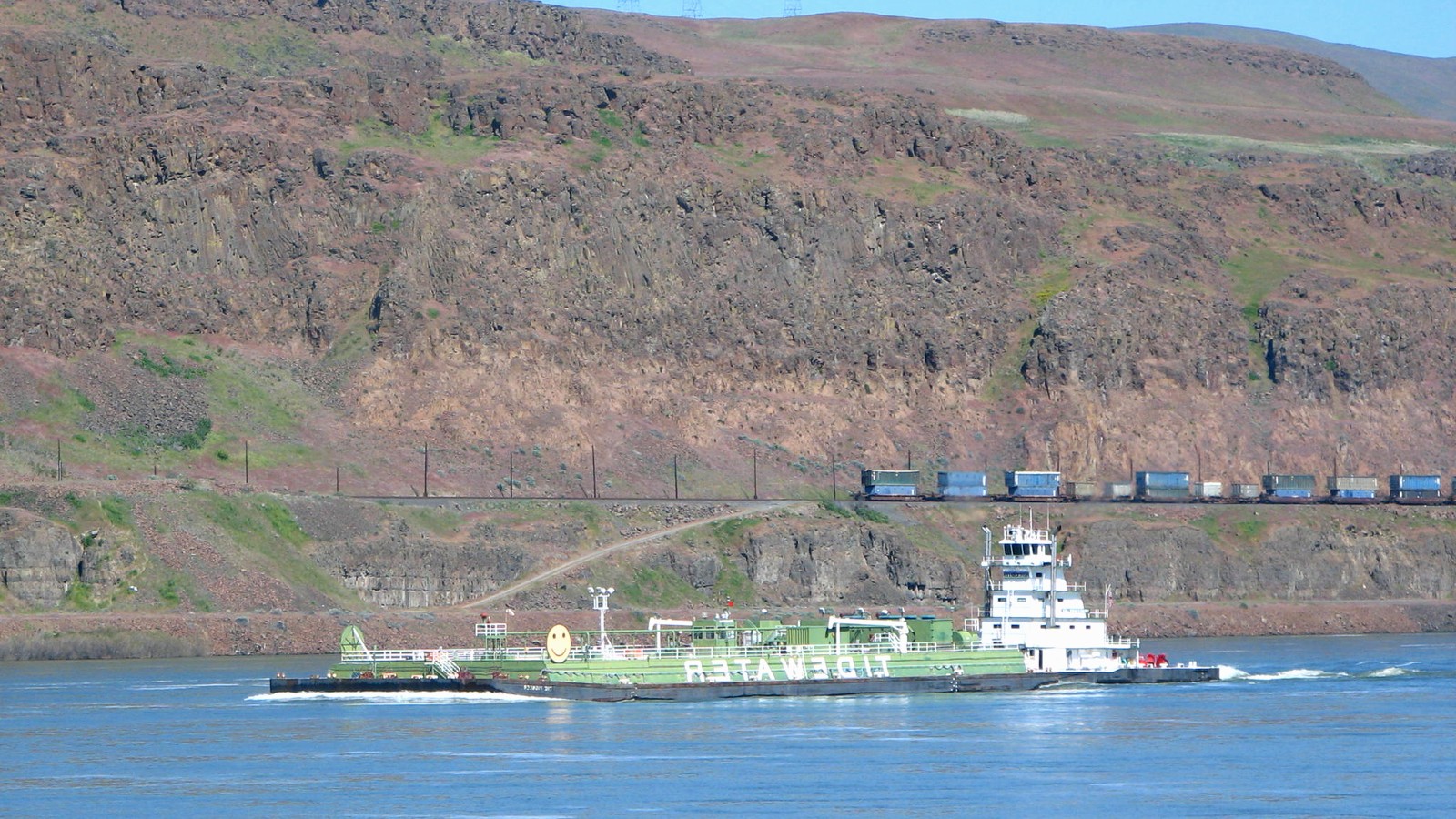
The Corps Draft EIS says the project would require up to 208 trains a year, 720 trucks a year, and 171 ocean-going vessel movements a year.
Fish, downstream water, and tribal resources are part of the local filing strategy
The Clatskanie resource page links Columbia River Inter-Tribal Fish Commission materials and comments on water quality, salmon habitat, and treaty-protected resources.
NOAA's consultation record says the project would likely adversely affect listed species and essential fish habitat.
The federal file also carries the jobs and tax-base pitch
NEXT has publicly highlighted support from unions and labor groups. The company has also promoted support from Gov. Tina Kotek around jobs, tax base, and industrial development at Port Westward.
The Corps says it "will prepare a Record of Decision to document our decision on the permit application" after the Draft EIS process is complete.
Sources & records
Reviewed by Standards Review. Updated April 13, 2026.
- USACE NEXT Renewable Fuels EIS Page
Official Corps page showing the comment deadline, hearing dates, wetland fill totals, and projected vessel, rail, and truck traffic for the project.
- Clatskanie Farmer Collective - Port Westward Review
Local community resource page organizing review materials around farmland, drainage, wetlands, floodplain conditions, fisheries, downstream water, tribal resources, and public-comment guidance.
- Oregon DEQ Project Page
Official state page showing the longer permit history, including prior denials without prejudice before the 2025 401 certification.
- NOAA Biological Opinion and EFH Response
Official NOAA consultation record describing adverse effects on essential fish habitat, listed species, and the drainage and irrigation waterways in the project area.
- NEXT Renewable Fuels - union support page
Applicant-side page describing organized labor support and the jobs case for the project.
- NEXT page on Gov. Tina Kotek support
Applicant-side page announcing Gov. Tina Kotek's support and describing the jobs and tax-base case made by project supporters.