Environment
The Port Westward Influence Map Runs Through Public And Private Hands
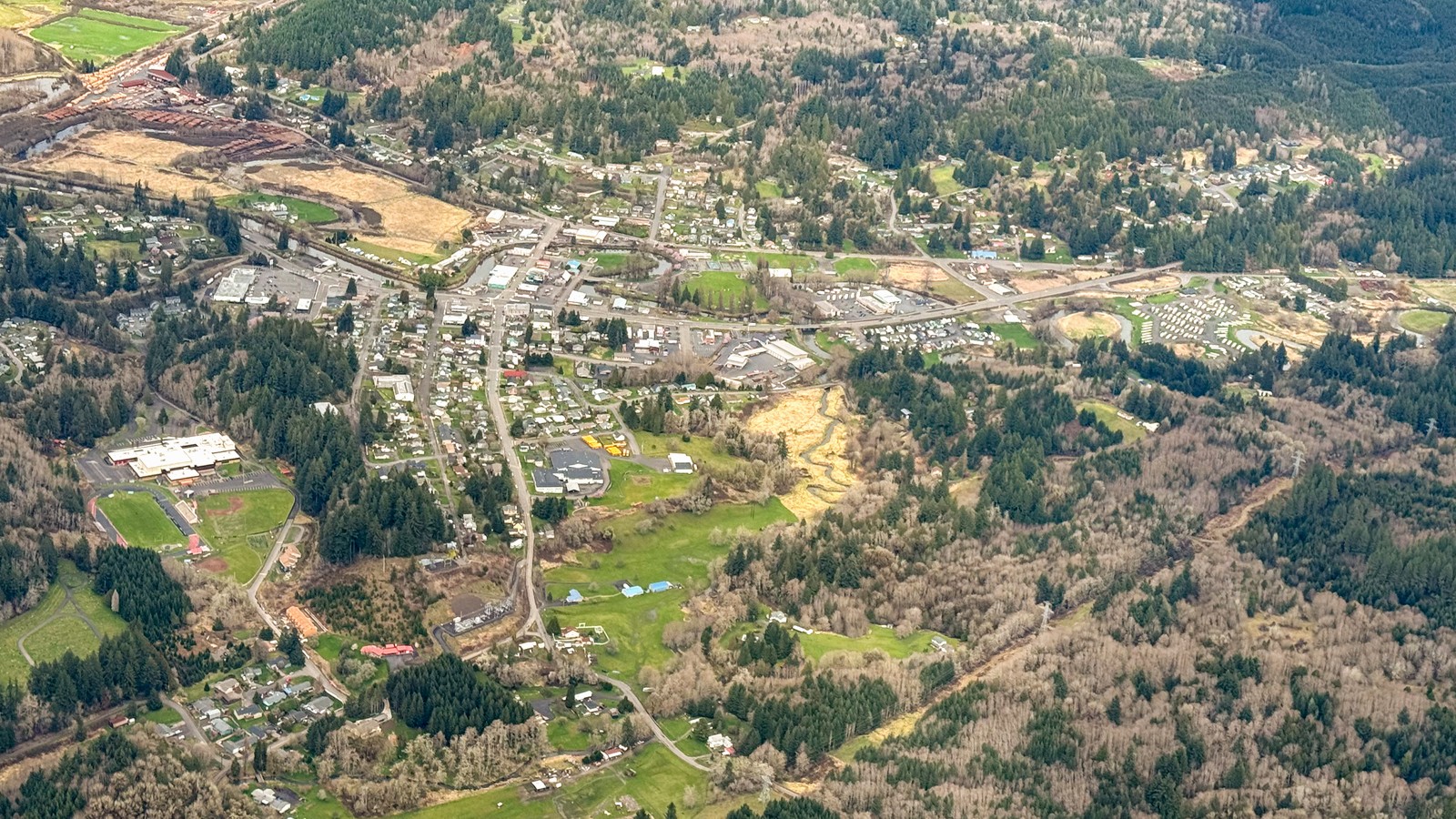
Port commissioners, Port staff, state coordinators, and developer-side names keep appearing across leases, board minutes, and the permitting machinery.
Follow the money. Understand the consequences. Get the whole story.
27 stories in Environment
Clear filtersPort commissioners, Port staff, state coordinators, and developer-side names keep appearing across leases, board minutes, and the permitting machinery.
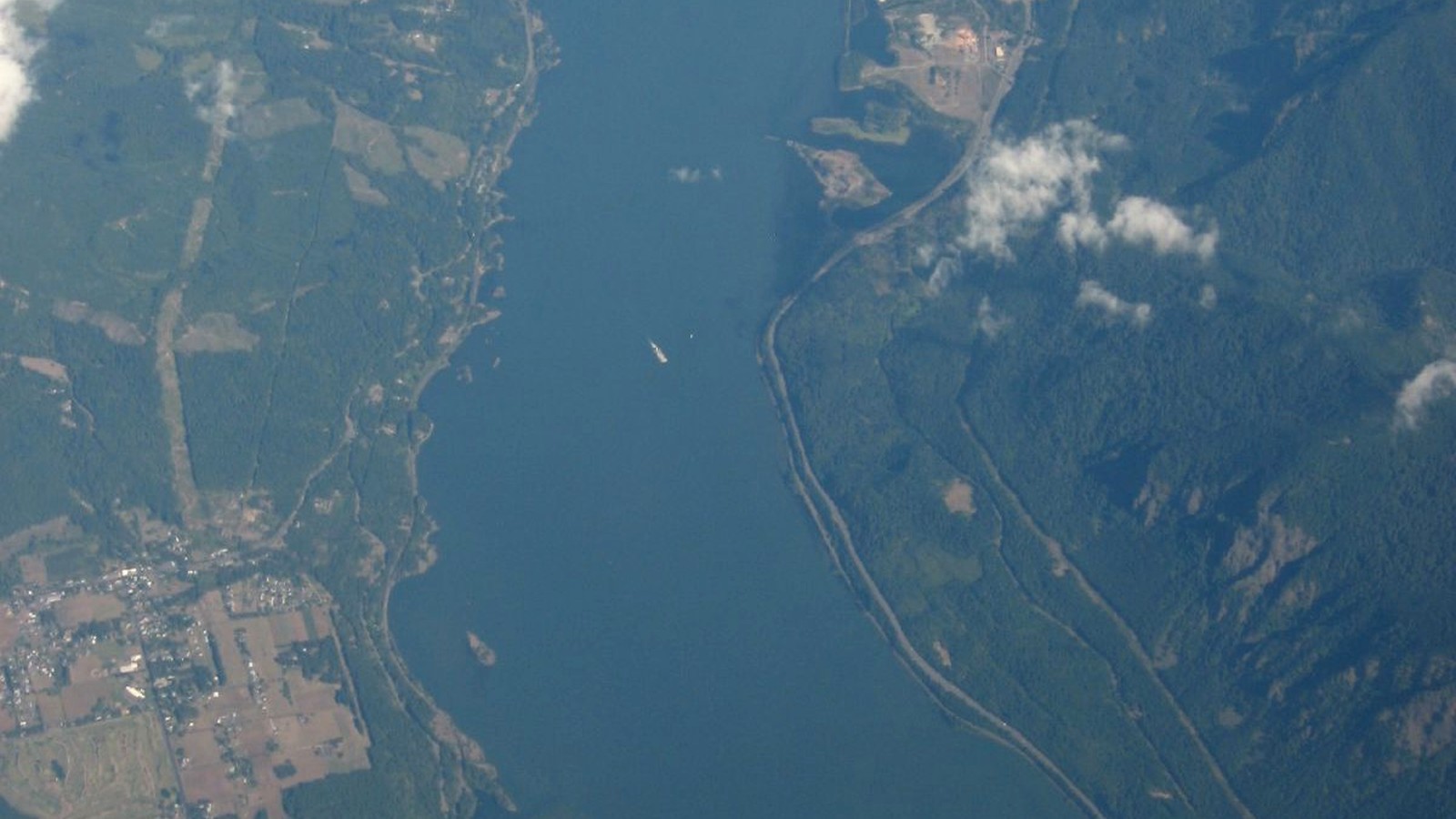
NOAA's consultation record and the Army Corps tribal-relations process place Port Westward inside a Columbia River fisheries and tribal-resource file, not a stand-alone local land-use dispute.
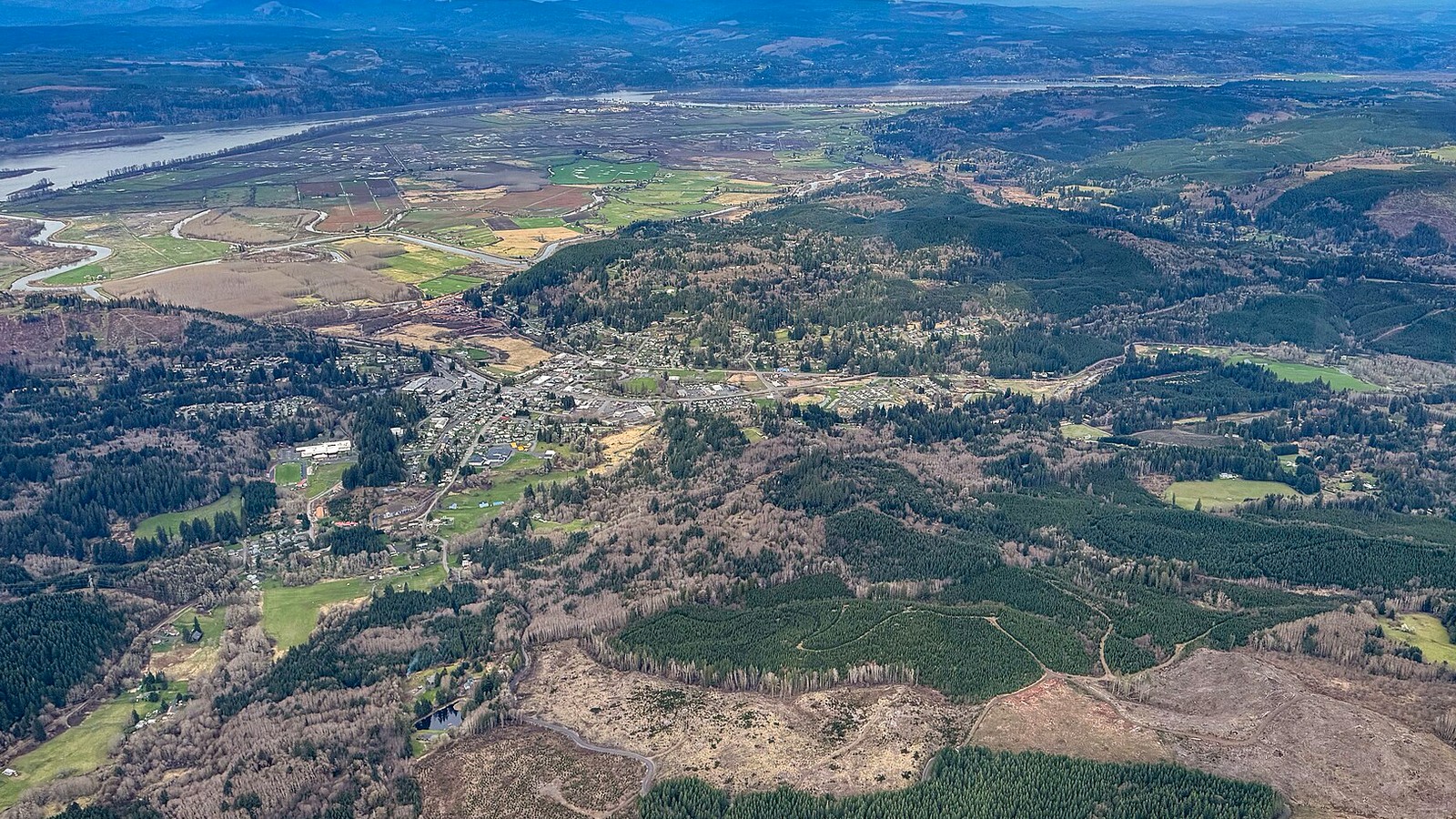
Grail's EFSC exemption order to Haley Teach's Oct. 8, 2024 401 hearing deck to the Corps' current EIS docket, with each agency handling a different permit question on a different schedule.
The Regional Solutions packet, the Port's 2024 strategic business plan, and Port Resolution 2024-03 identify the Port, local taxing districts, and state development agencies as public-side beneficiaries if the project is built.
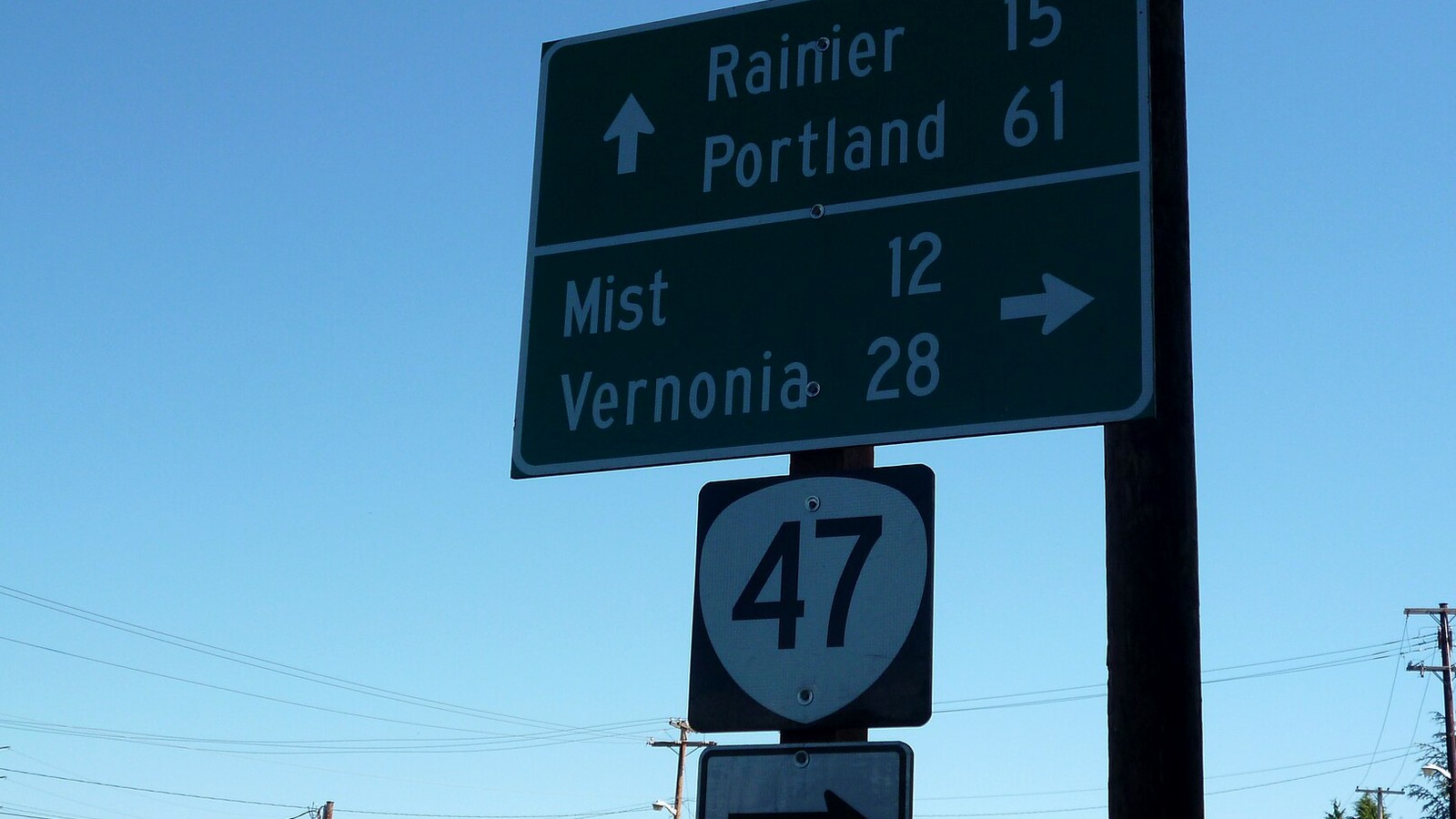
The project's emergency burden would run through existing public roads and shared spill-response systems, which makes emergency readiness part of the real Port Westward record.
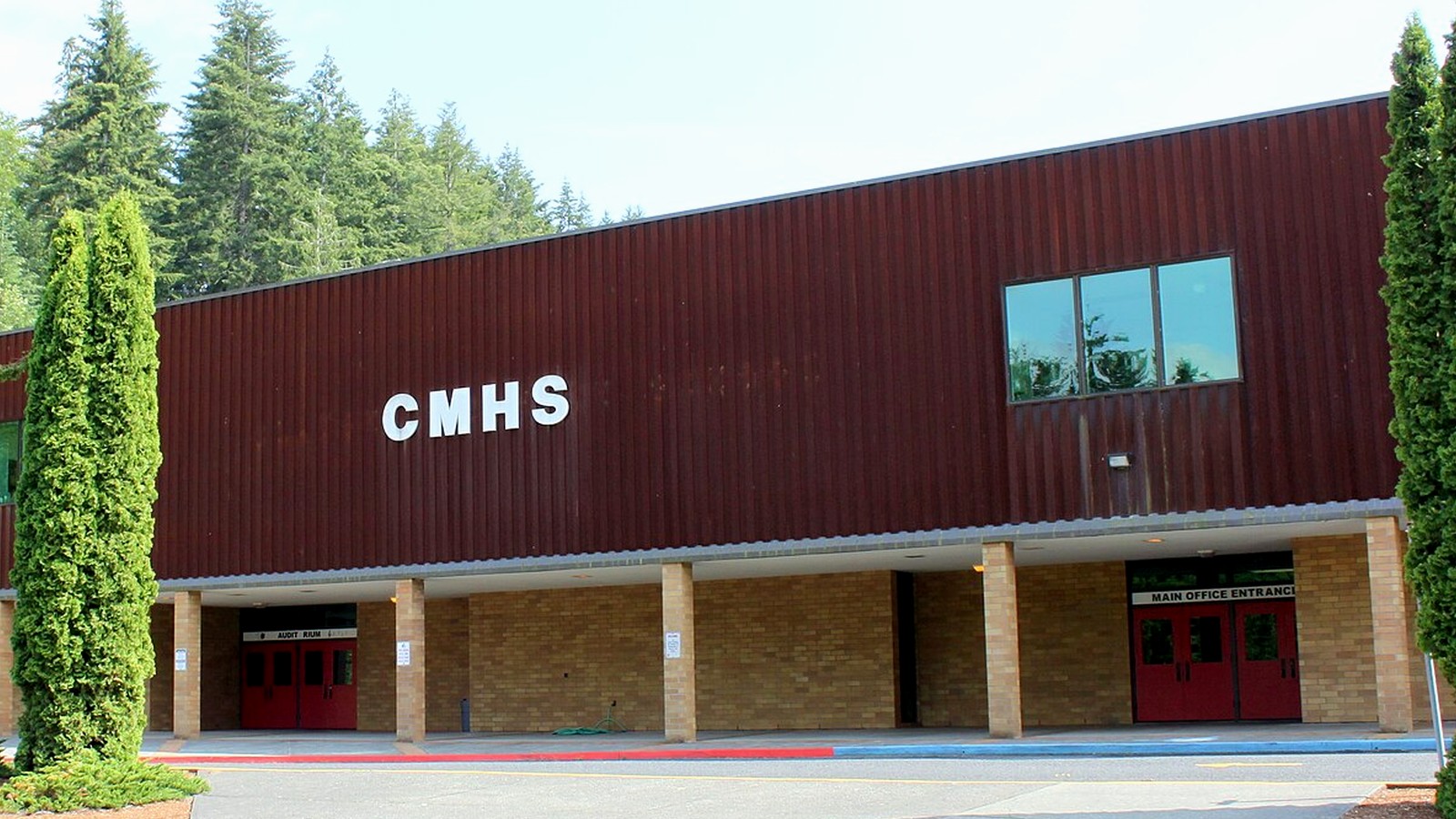
Seismic risk is already reshaping both the private plant design and the public dock's capital burden, which makes this more than a simple permit-box issue.
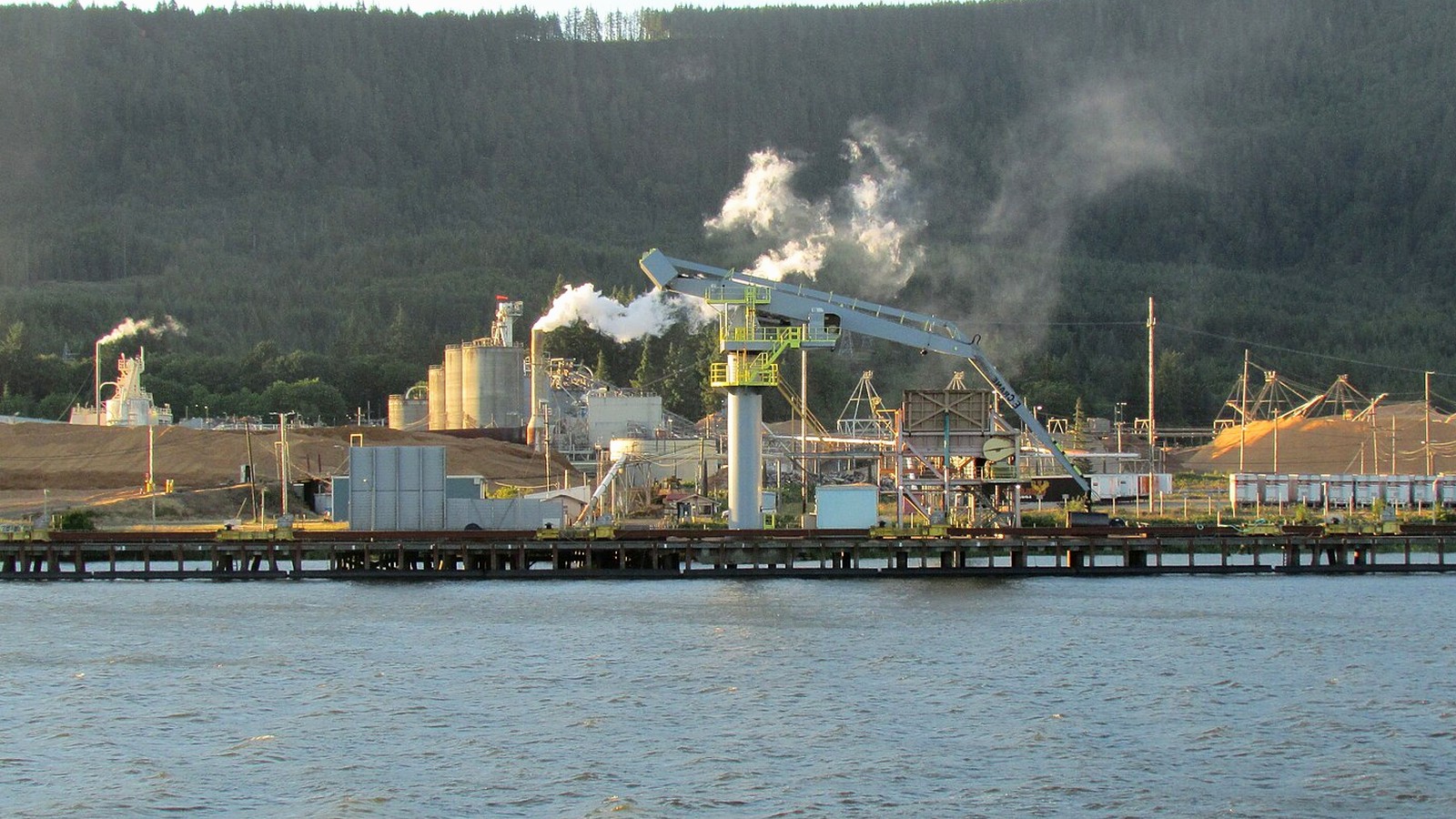
DEQ told commenters that trains and marine vessels are "secondary emissions not considered in this stationary source permitting action." The Army Corps Draft EIS later treated those movements as central project facts.
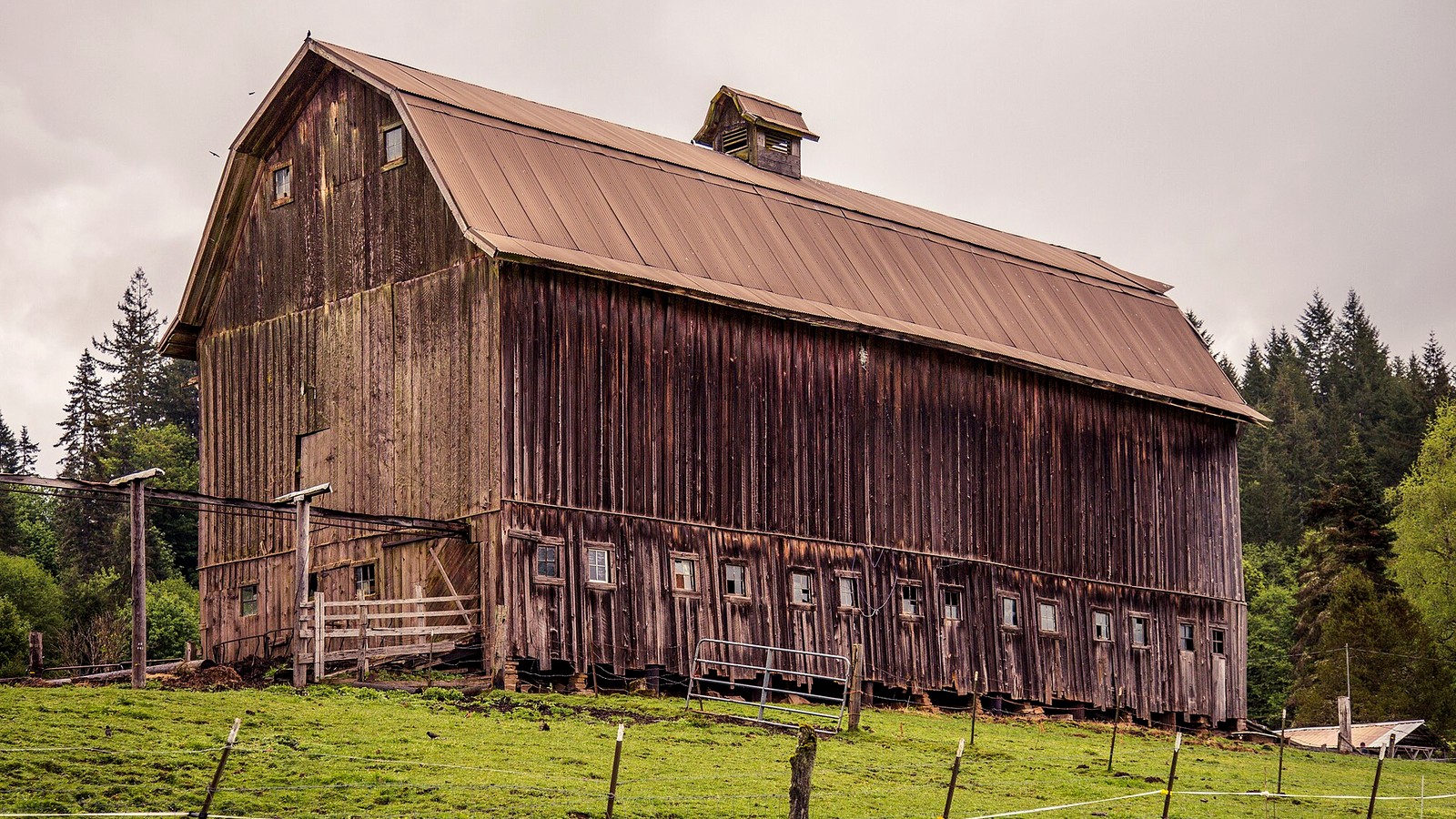
Beaver Drainage Improvement Company told regulators the mitigation plan would fill about 26,800 linear feet of existing drainage ditches used for irrigation and drainage across more than 2,700 acres.
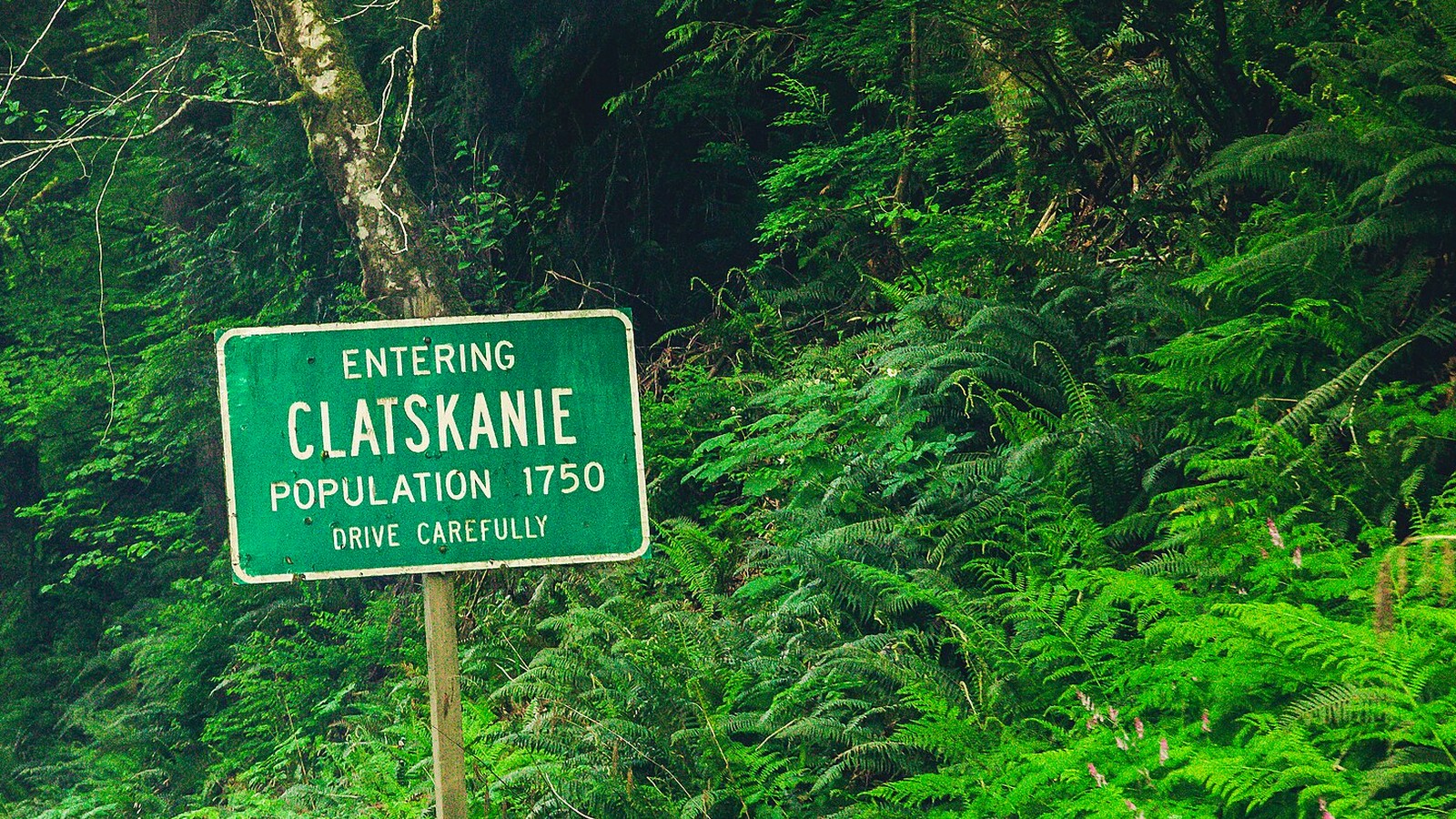
Local filings now point the Corps to Beaver Drainage Improvement Company comments, Columbia River Inter-Tribal Fish Commission materials, Draft EIS transport volumes, and questions about how the applicant's filings line up with the federal review.
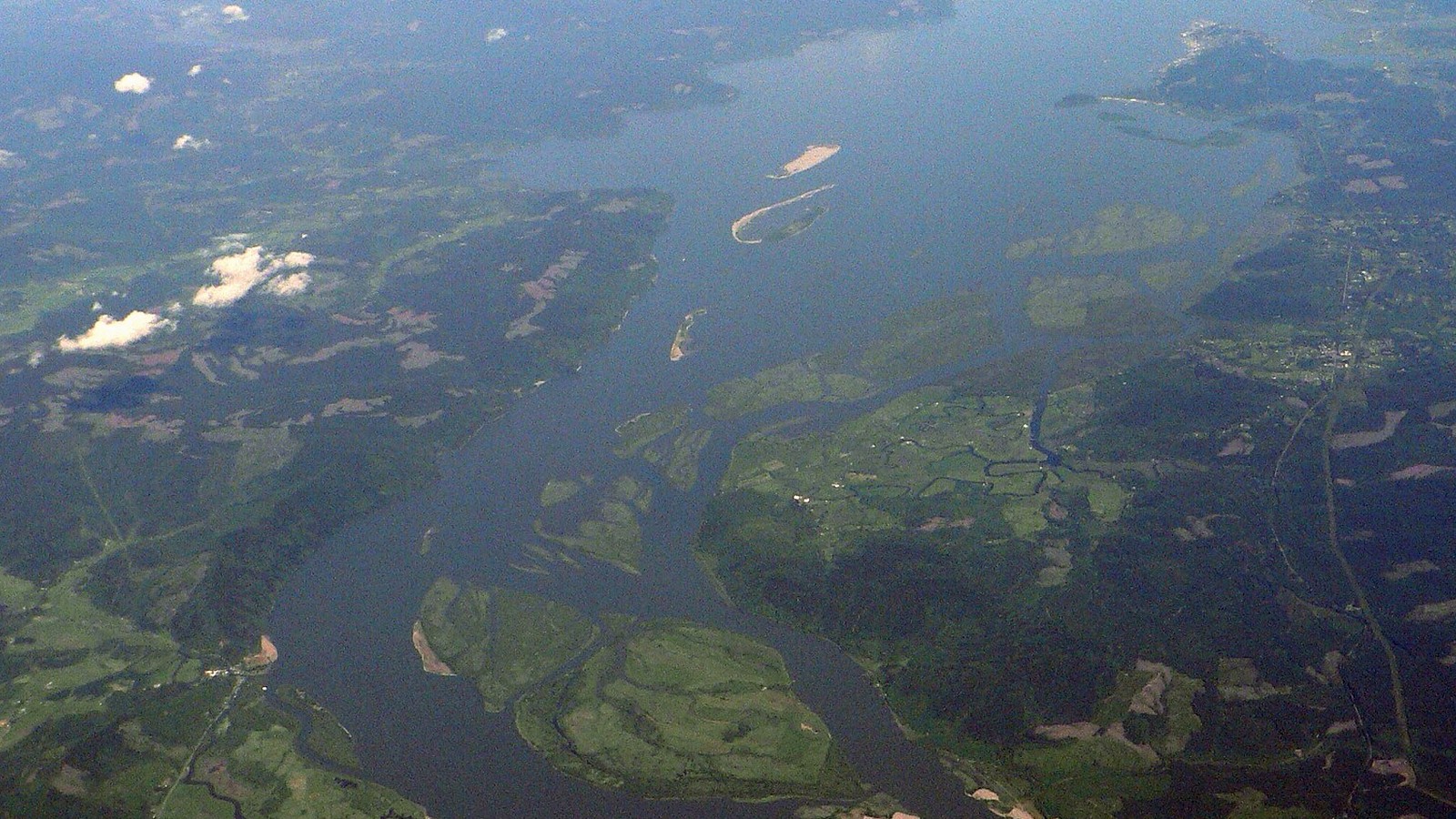
The official record already shows this river system supports active commercial fishing, habitat that NOAA treats as economically important, and high-value Columbia salmon activity, which makes spill risk a fishing-economy issue too.
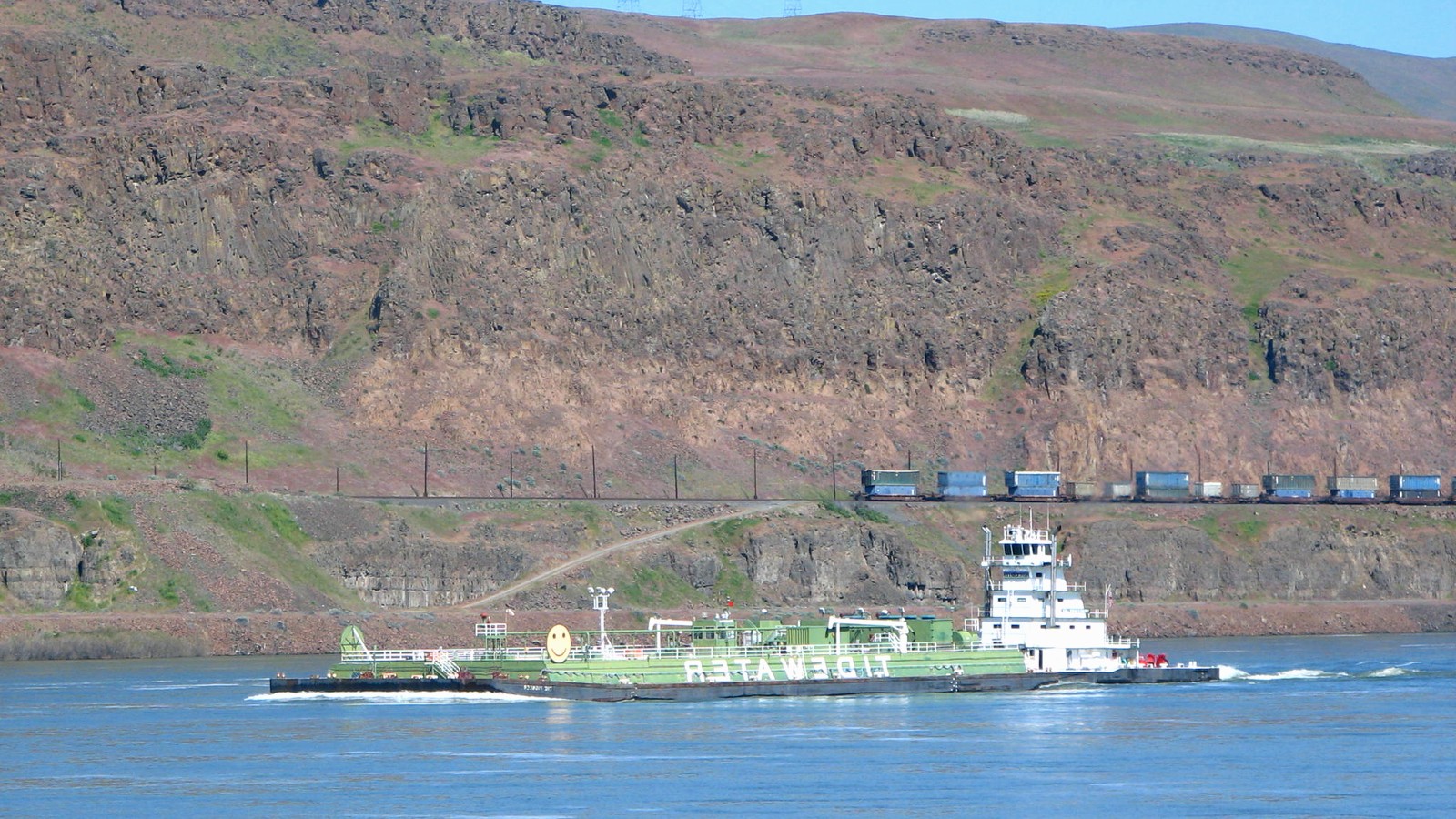
Corps figures put roughly $44 million a day in cargo value on the lower Columbia and lower Willamette route, with about $66 million a day across the wider Columbia-Snake system.
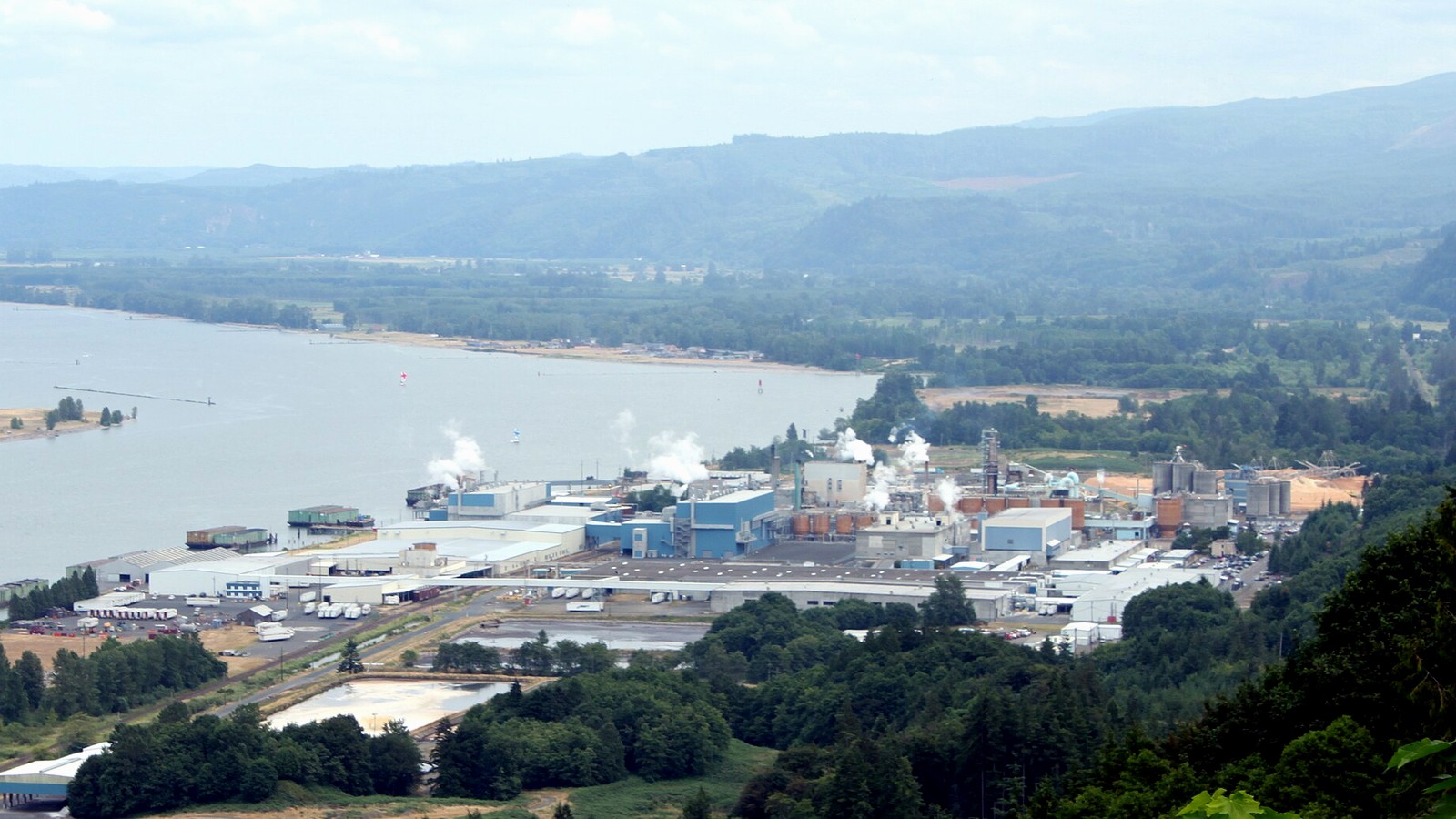
Washington's own Columbia River records put communities, farms, industry, fish, and navigation in the same water-use frame as the Oregon-side Port Westward proposal.