Environment
A Columbia Shutdown Puts Tens Of Millions A Day On The Line
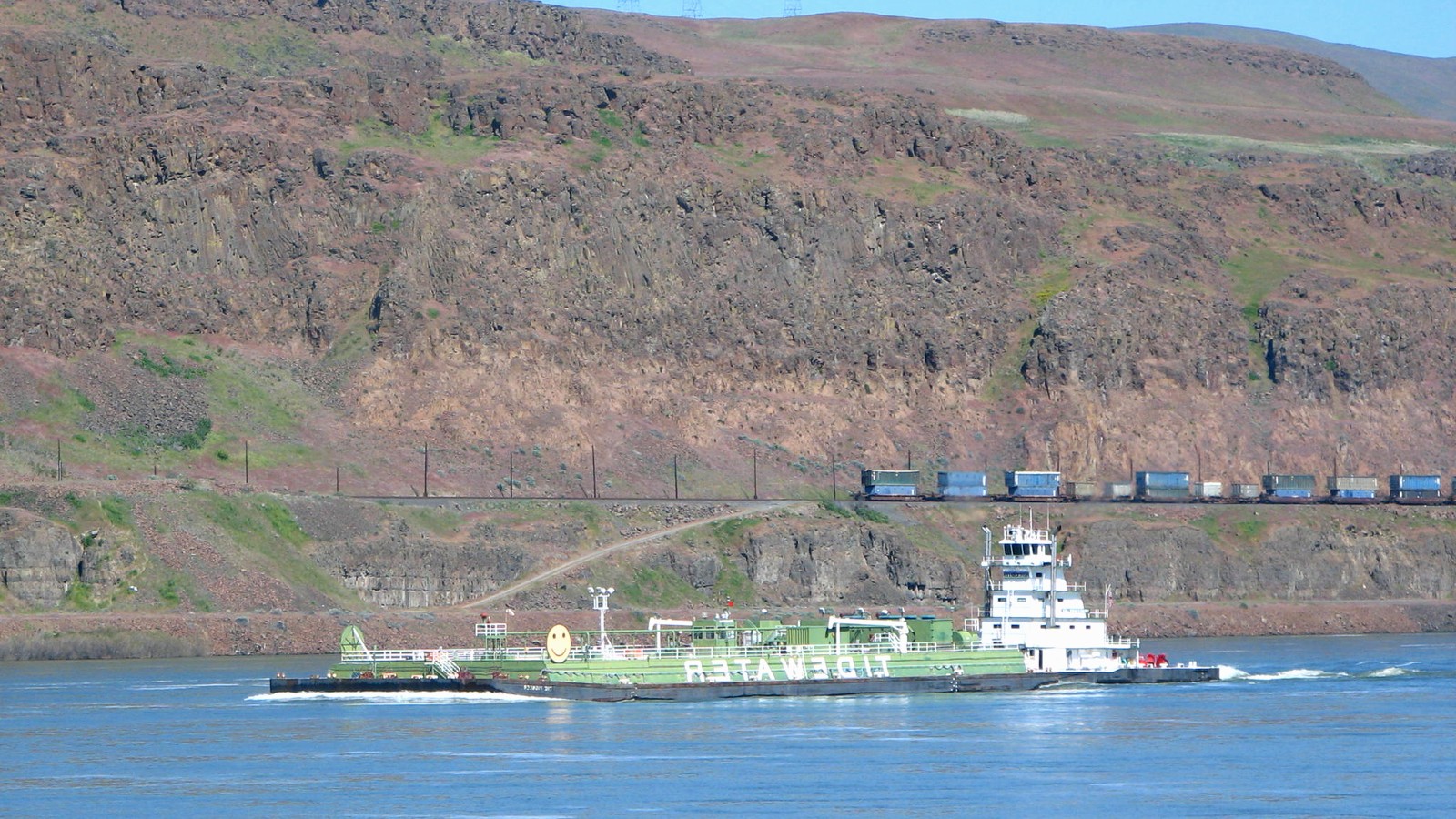
Corps figures put roughly $44 million a day in cargo value on the lower Columbia and lower Willamette route, with about $66 million a day across the wider Columbia-Snake system.
Follow the money. Understand the consequences. Get the whole story.
45 stories matching "War"
Clear filtersCorps figures put roughly $44 million a day in cargo value on the lower Columbia and lower Willamette route, with about $66 million a day across the wider Columbia-Snake system.
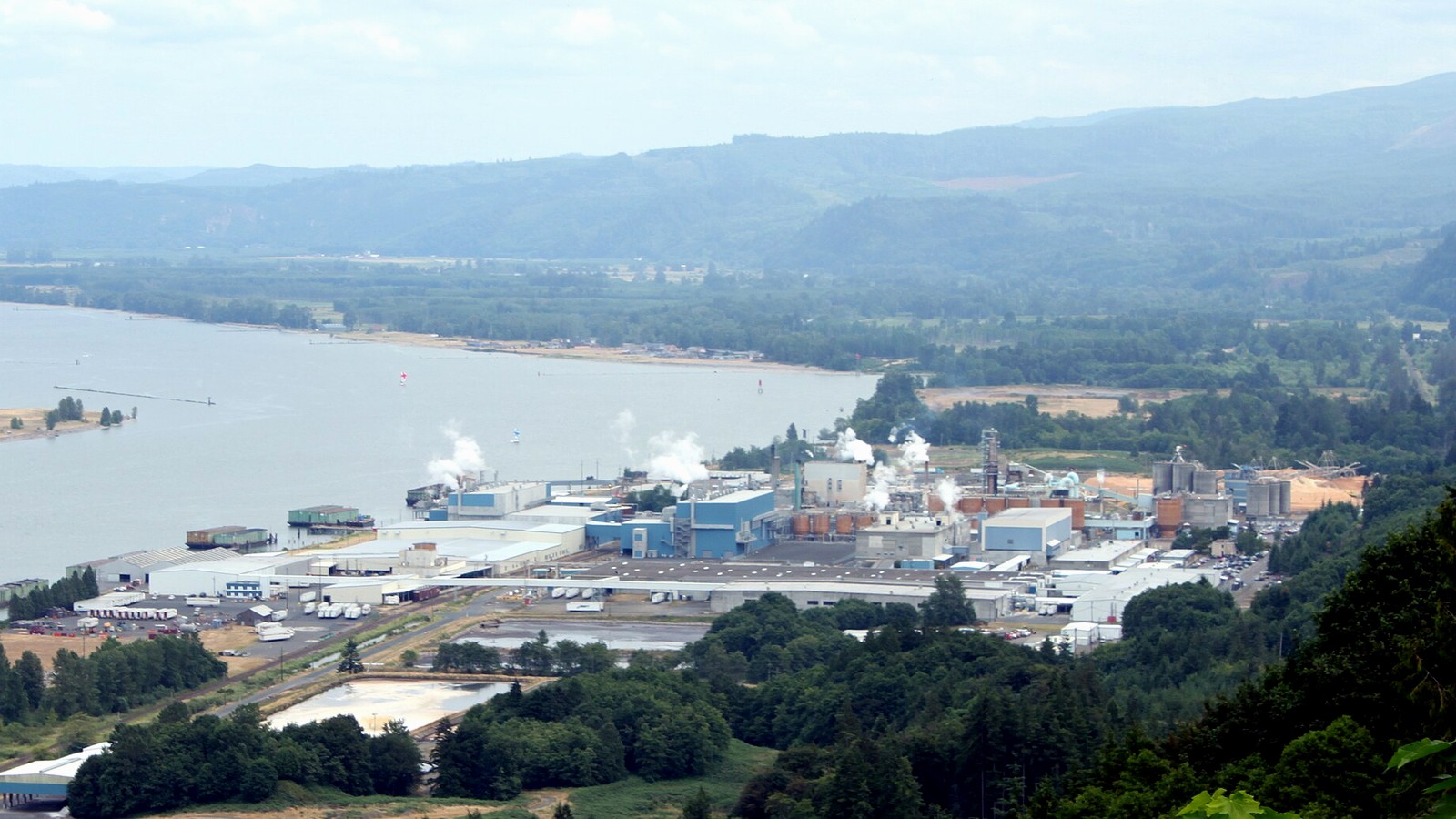
Washington's own Columbia River records put communities, farms, industry, fish, and navigation in the same water-use frame as the Oregon-side Port Westward proposal.
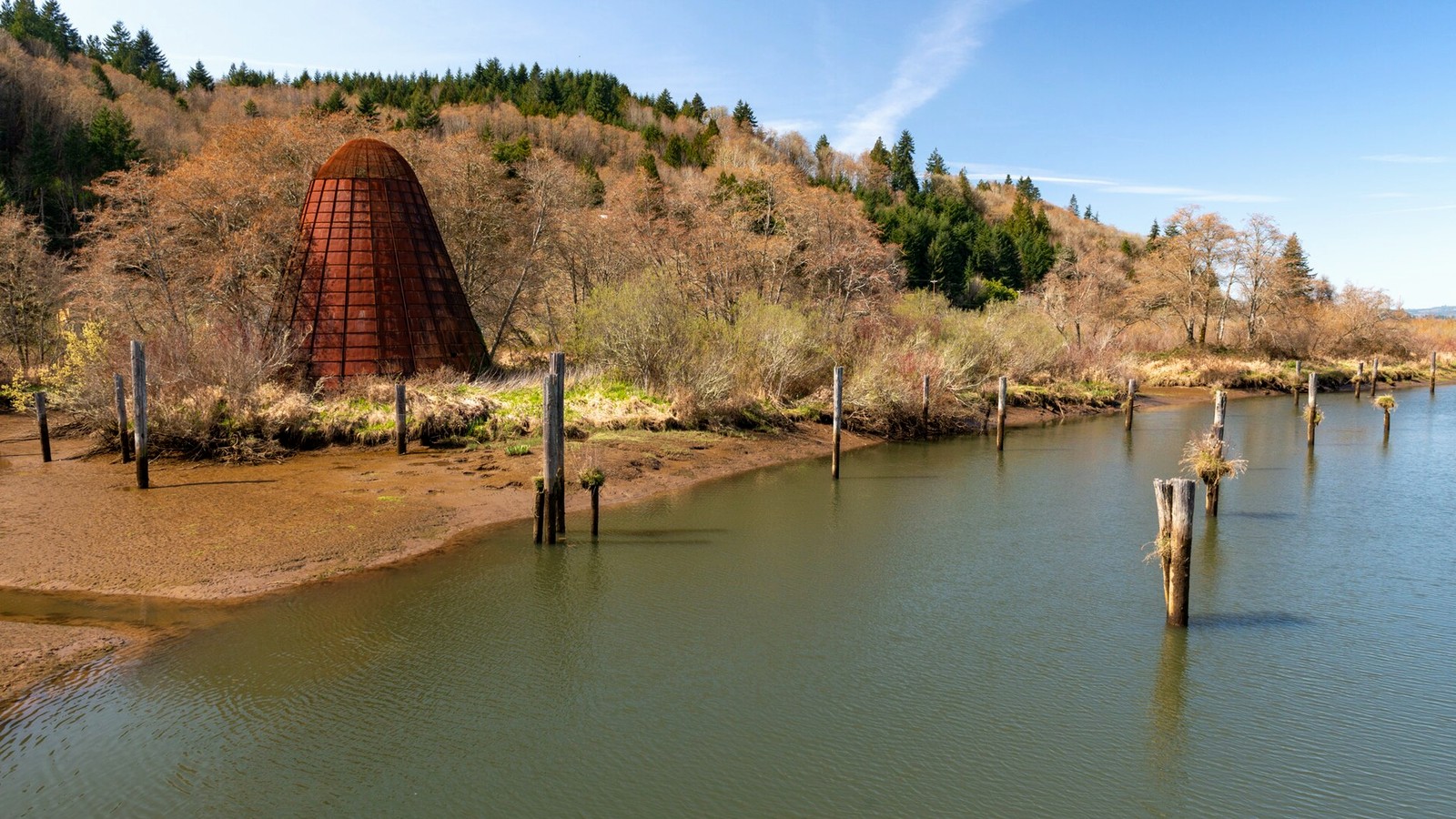
DEQ's 401 certification places the proposed discharge path in waters connected to McLean Slough and the Clatskanie River. DEQ also lists existing dissolved oxygen, temperature, dioxin, total dissolved gas, PCB, and DDE impairments in the receiving-water system.
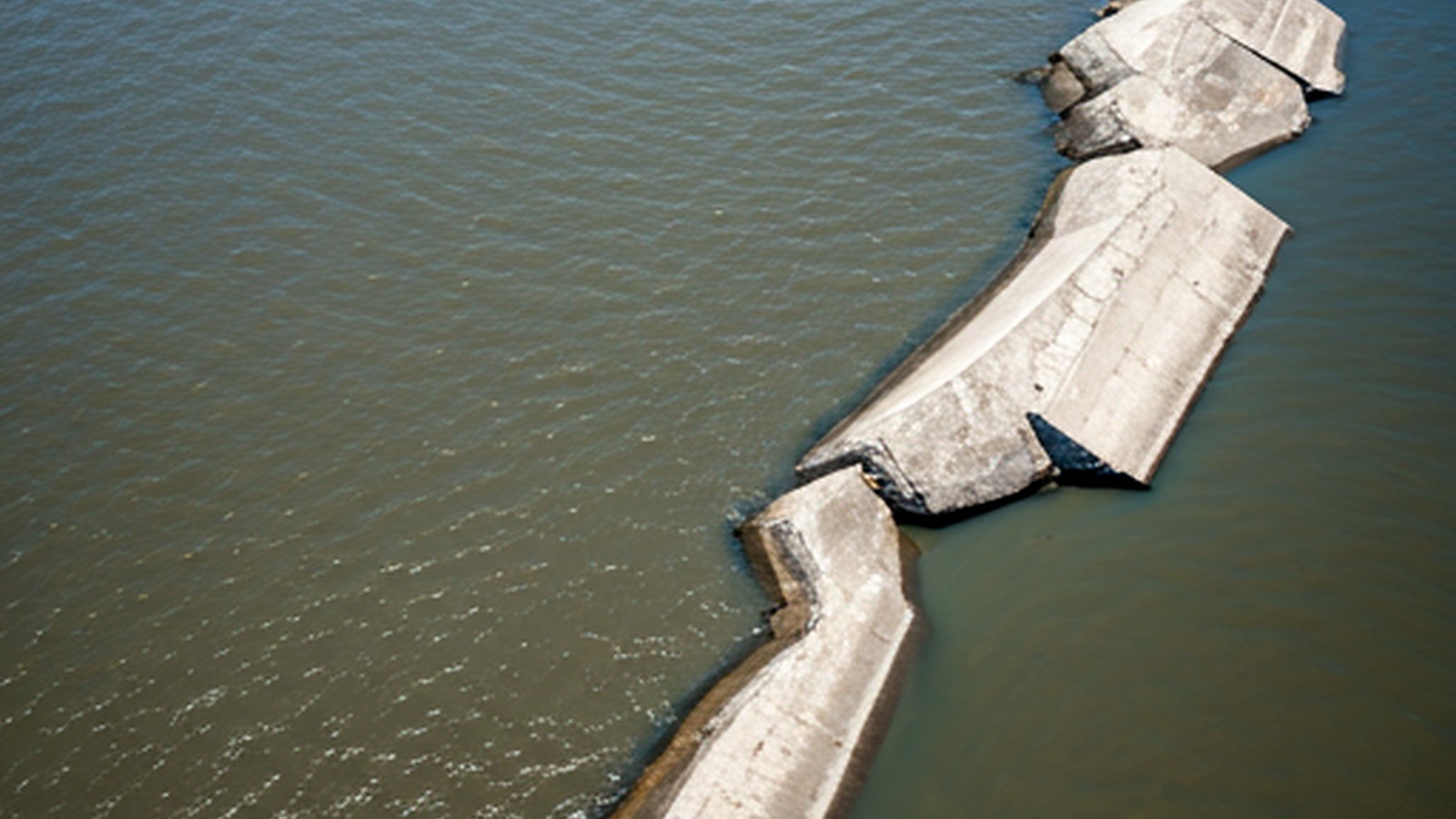
DEQ's Jan. 7, 2025 certification says the project would create 72.6 acres of new impervious surface. NOAA's biological opinion says 23 ESA-listed species or distinct population segments are likely to be adversely affected.
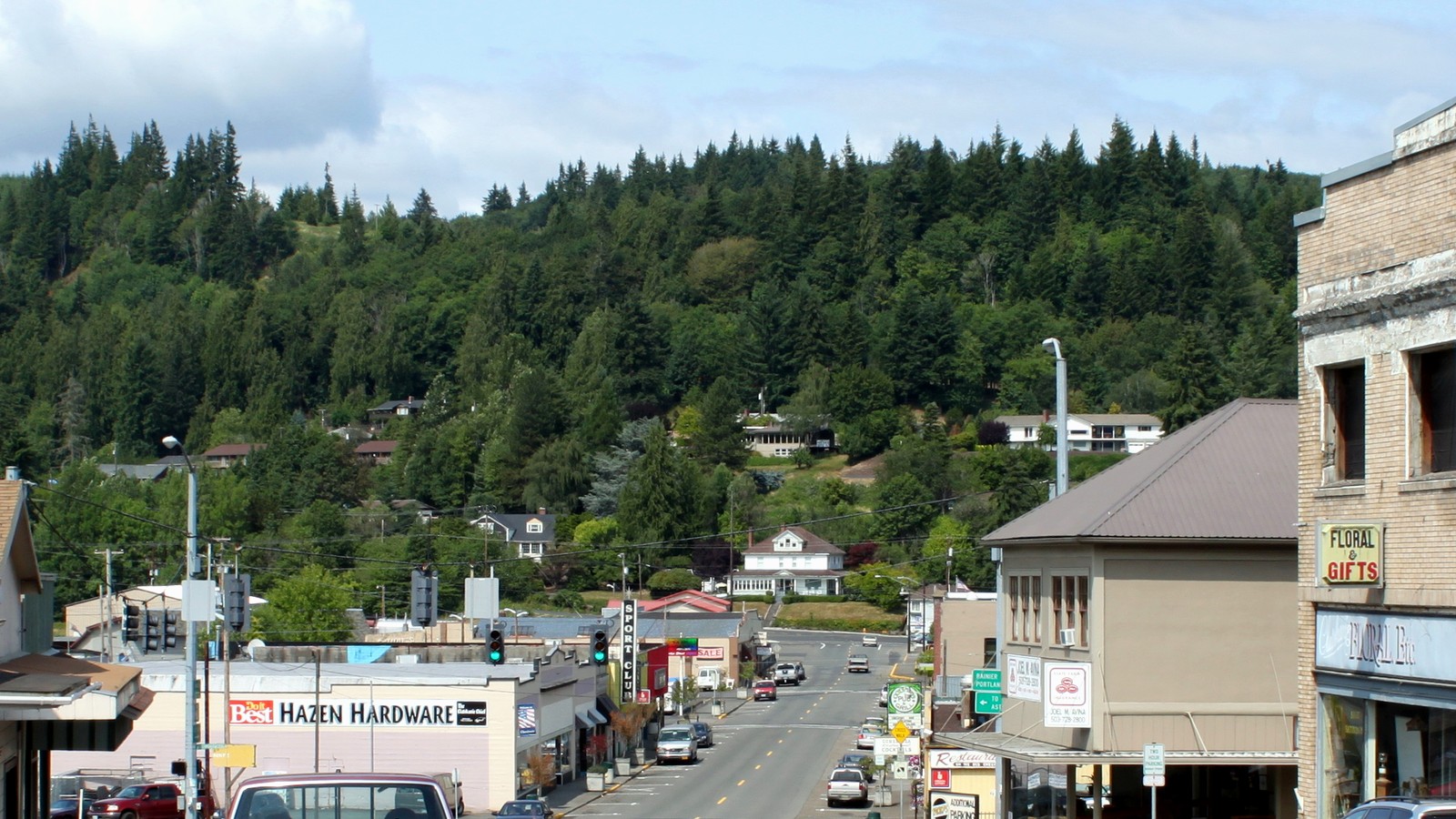
If you want to understand the Port Westward fight, start with the public record: wetland fill, fish habitat impacts, impaired receiving waters, and a permit history that has already forced the project back through review more than once.
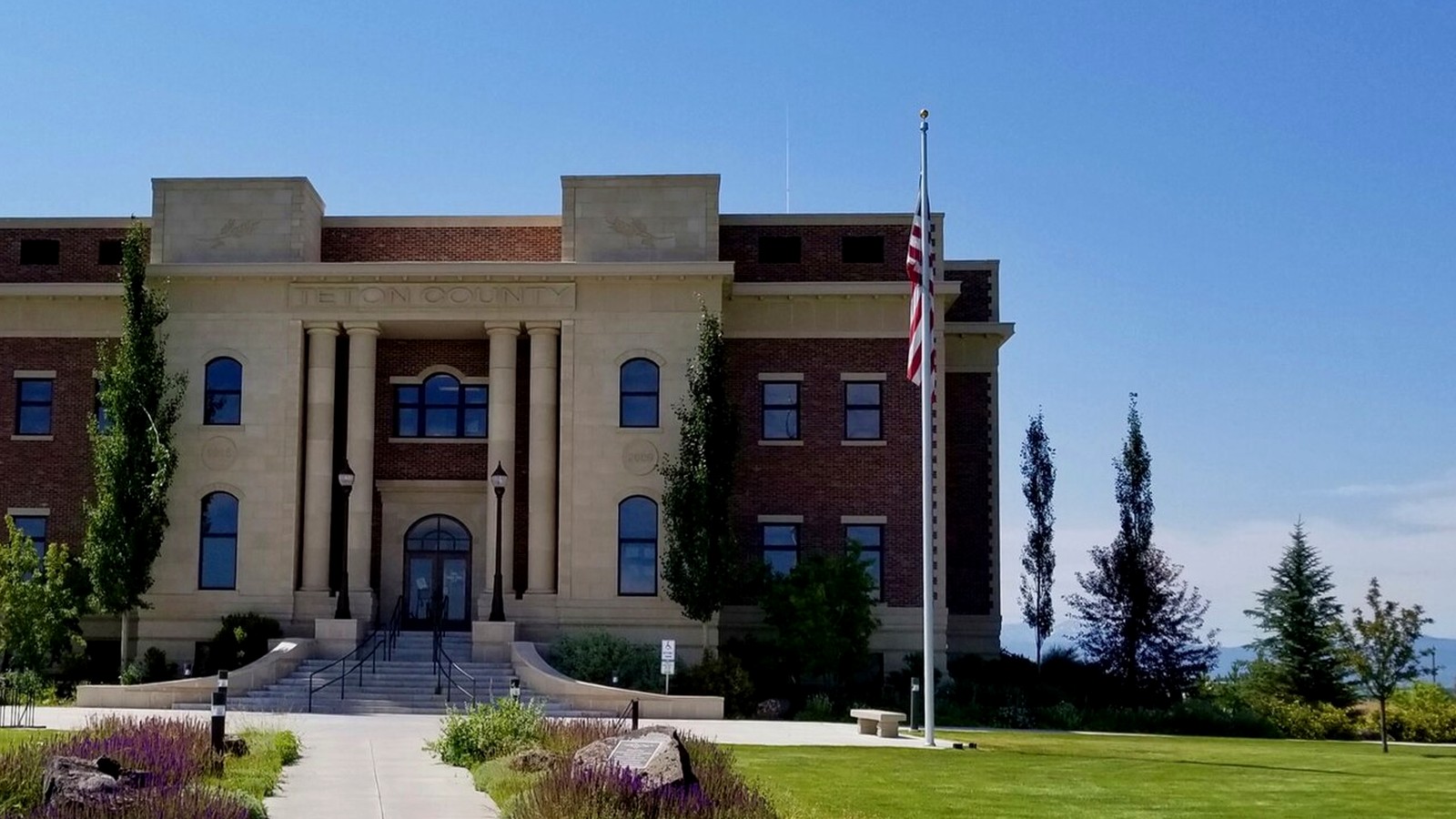
If you want to know who helped a Tull-adjacent land play move, start with the officials already on the paper: the Idaho Department of Lands, the State Board of Land Commissioners, and local actors like Ron James who declined to join the objection.
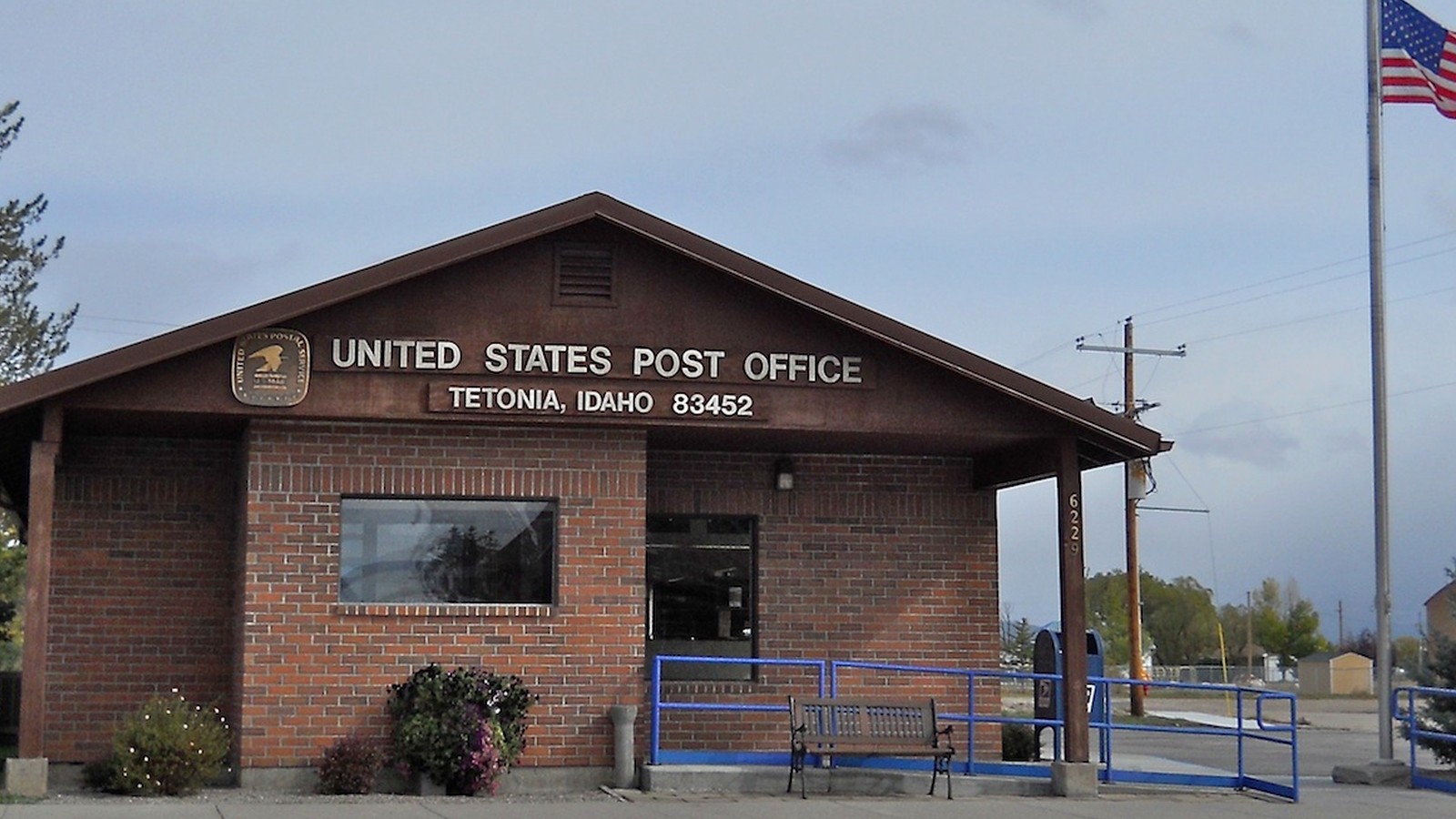
Official records and reporting describe land interest, political money, philanthropy, and local government decision-making colliding around one county commissioner and one billionaire ranch owner.
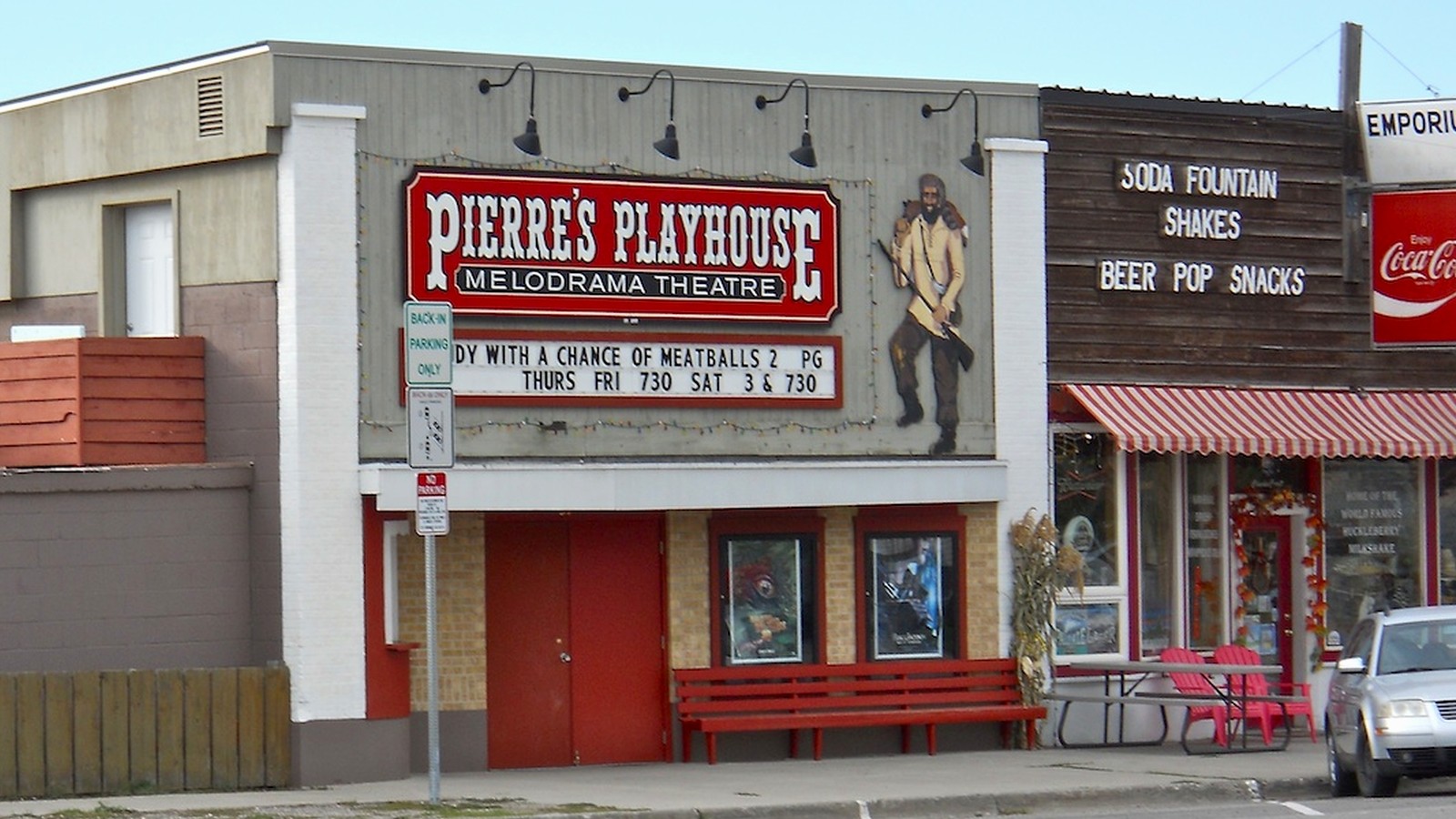
Official records and reporting describe a city stacking contract pressure, annexation, zoning, lot-splitting, and debt confirmation around one wastewater project, while the letter reviewed by the site shows the owners were also being told a condemnation path was on the table.

The current record already shows a damaged health system being kept in crisis by border chokepoints: patients cannot get out fast enough, equipment cannot get in fast enough, and medicine stocks remain critically depleted.
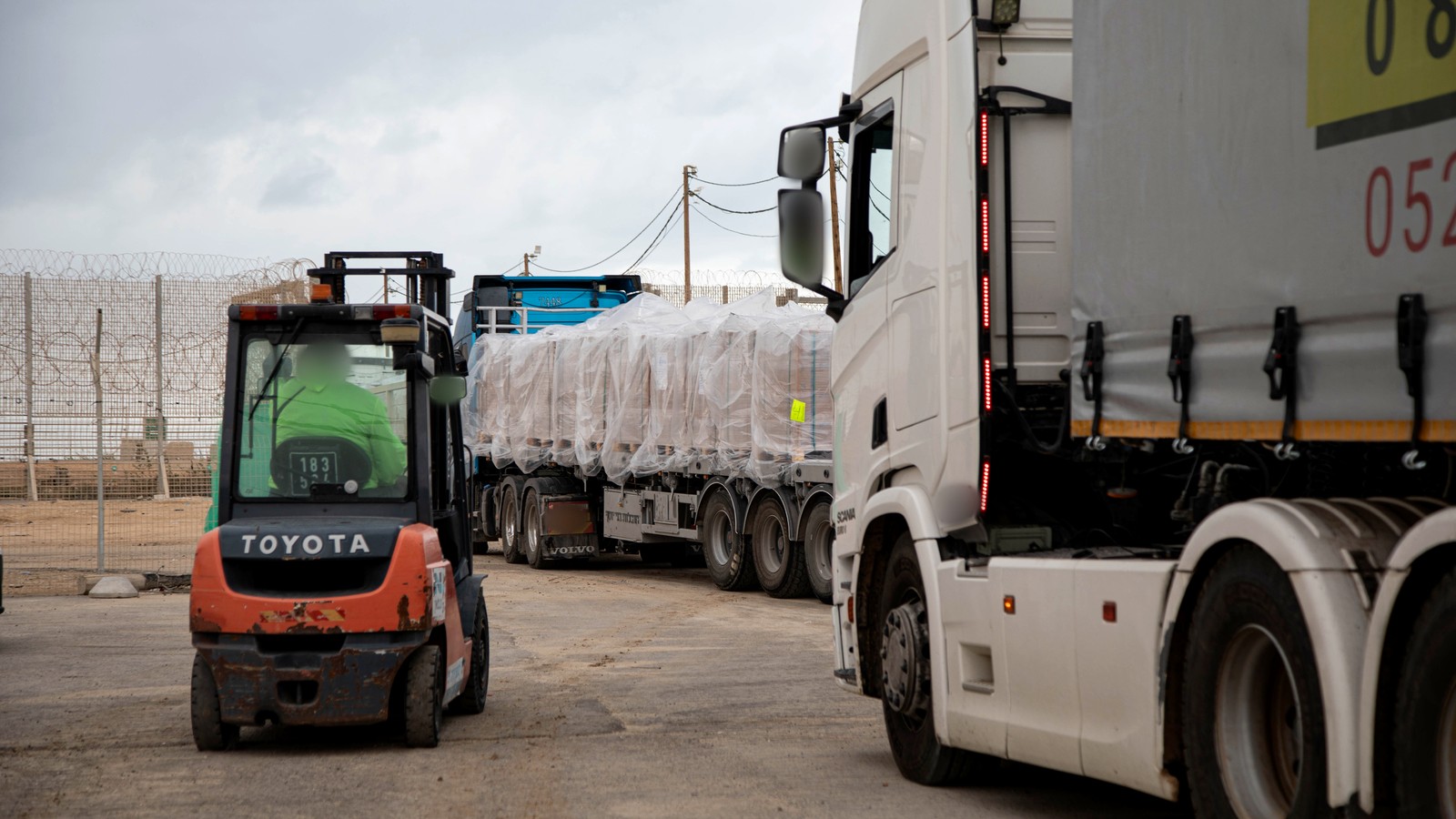
The operational bottleneck is visible in the data: too much depends on one crossing, too little equipment clears quickly, too few patients get out for care, and key water and hospital systems are still badly constrained.
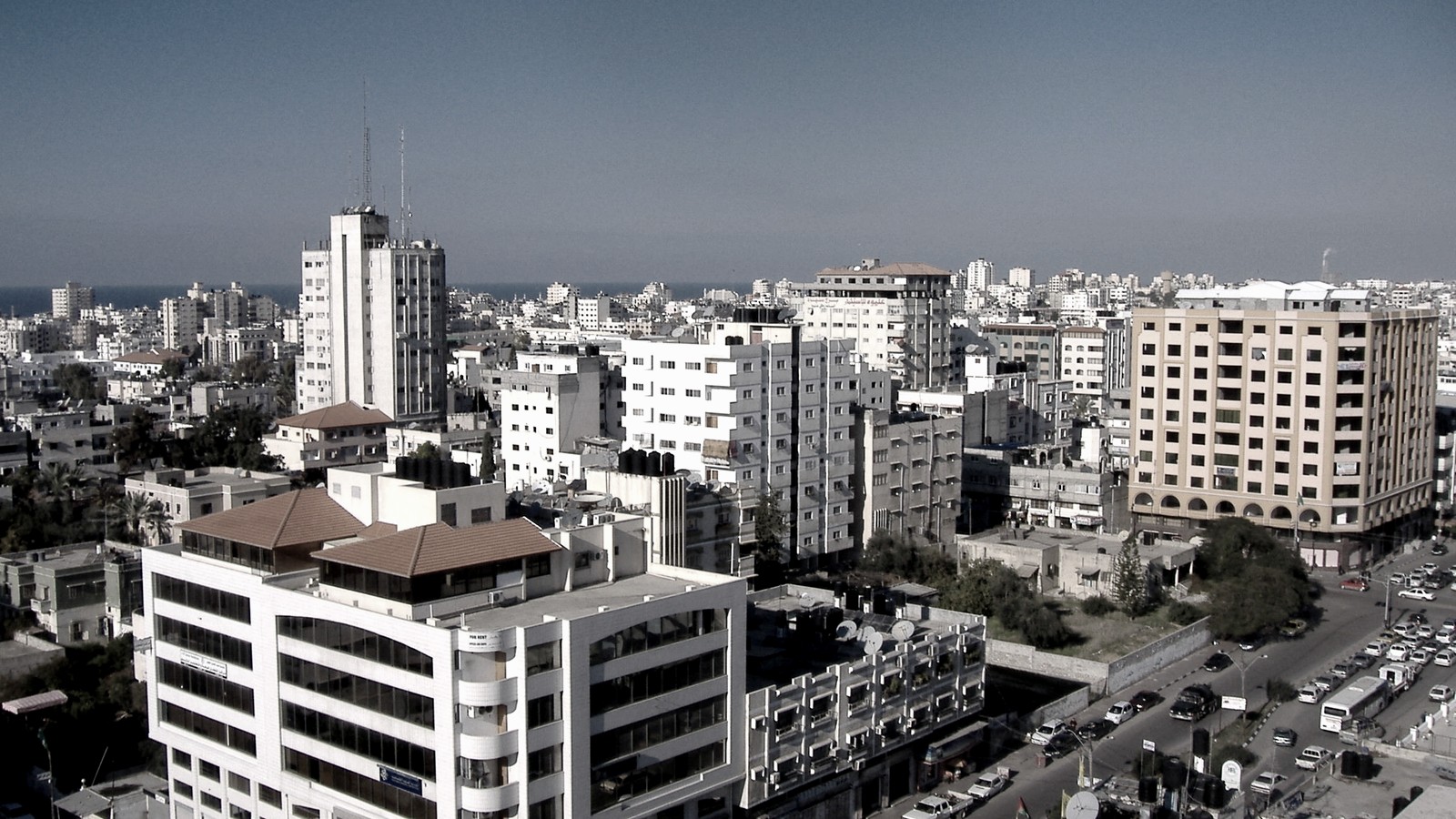
The current UN file lists continuing casualties, no fully functioning hospitals, an 18,500-patient evacuation backlog, water-system damage, and acute food insecurity for 1.6 million people.

Official records and reporting describe a federal program spending most of its money after removal, not on the range itself, while private operators keep winning million-dollar awards to warehouse the animals BLM keeps taking off public land.